SAINT OF THE DAY
AND MANY MORE!
Visit the American Saint of the week page. Click the botton >>>>>
Holy Saturday - April 4
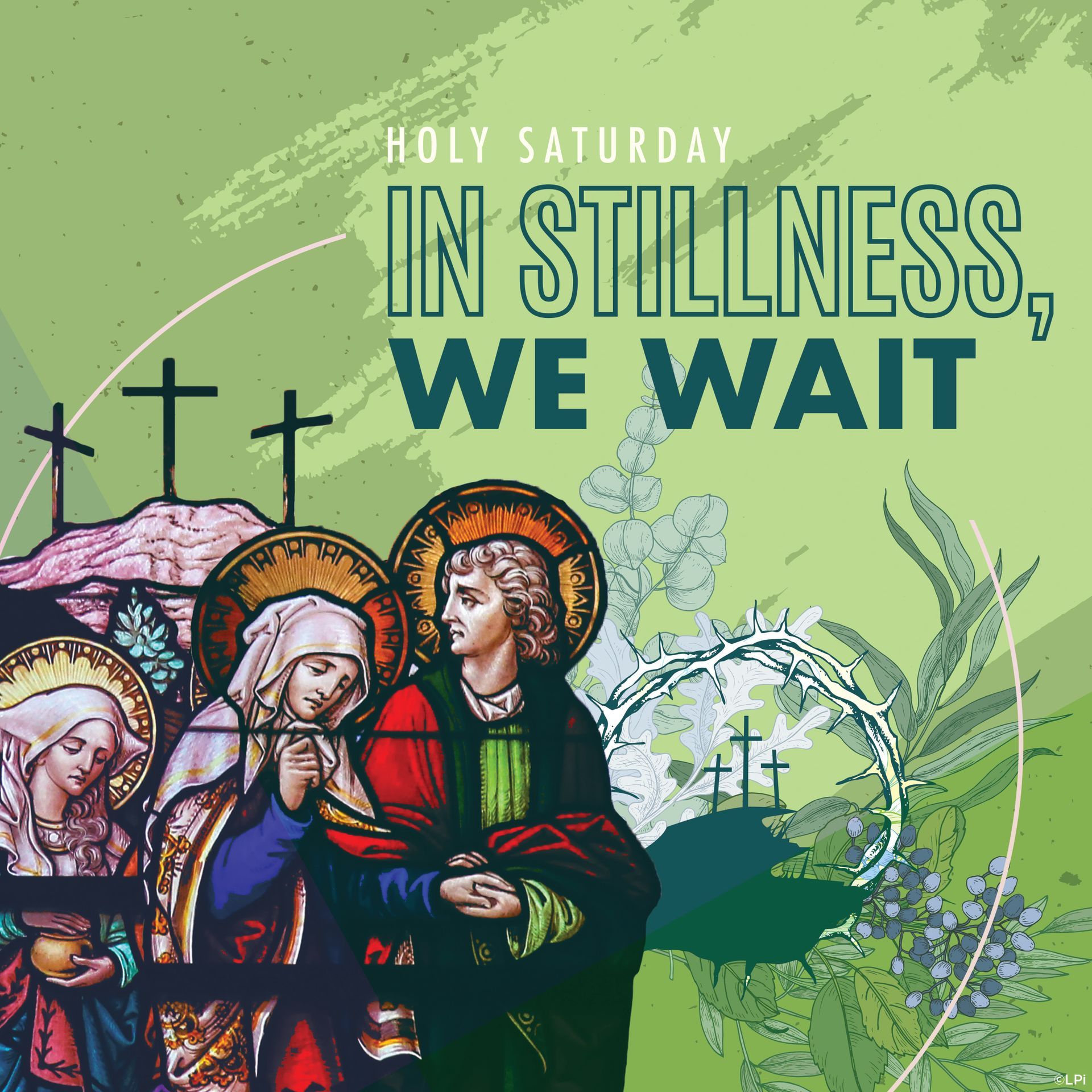
“Today the one who holds all creation in his hand is himself held in the tomb, a rock covers the One who covered the heavens with beauty, Life has fallen asleep, Hades is seized with fear,
and Adam is freed from his bonds.
Glory to your work of salvation;
through it you have accomplished the eternal Sabbath rest,
and You grant us the gift of your holy resurrection.
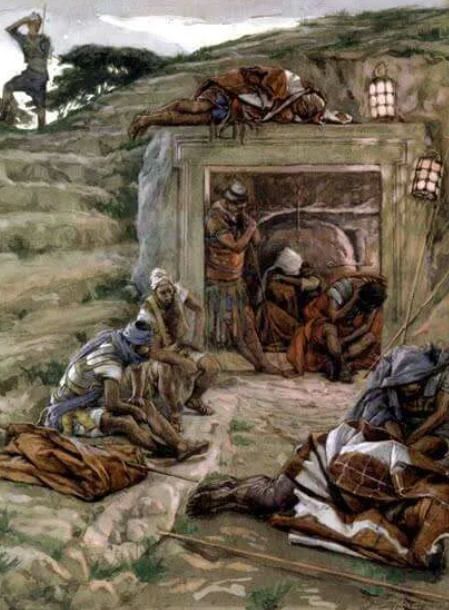
My Lord, today all is silent. You have given Your precious life for the salvation of the world. You died a horrific death, poured out all Mercy from Your wounded Heart, and now You rest in peace in the tomb as the soldiers keep vigil.
Lord, may I also keep vigil with You as You sleep. I know that this day ends with Your glorious triumph, Your victory over sin and death. But for now I sit quietly mourning Your death.
Help me, dear Lord, to enter into the sorrow and the silence of this Holy Saturday. Today no Sacraments are celebrated. Today the world waits in mourning in anticipation of the glory of new life!
As I keep vigil, awaiting the celebration of Your Resurrection, fill me with hope. Help me to look forward to the celebration of Your Resurrection and also to look forward to the hope of my own share in the new life You won for the world. I entrust my whole being to You, dear Lord, as You lay lifeless and still. May Your rest transform the brokenness of my own soul, my weaknesses, my sin, and my frailty. You are glorious, and You bring the greatest good out of Your apparent defeat. I trust in Your power to do all things, and I entrust my life to You. Jesus, I trust in You.
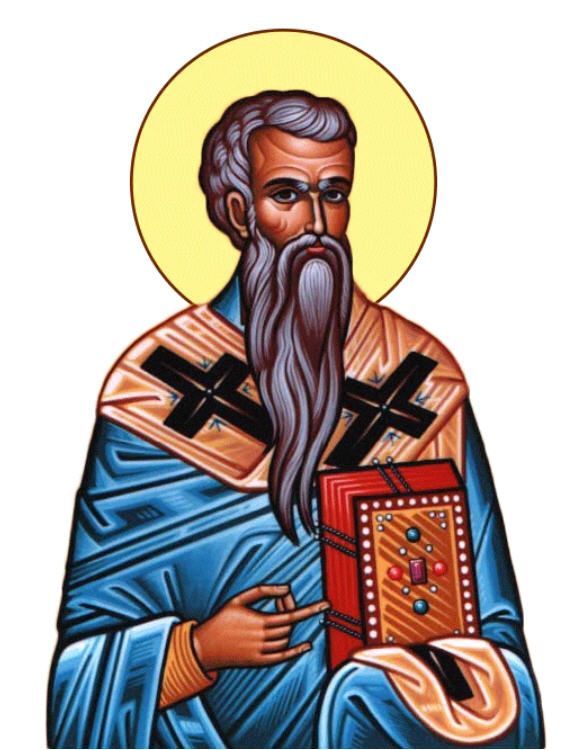
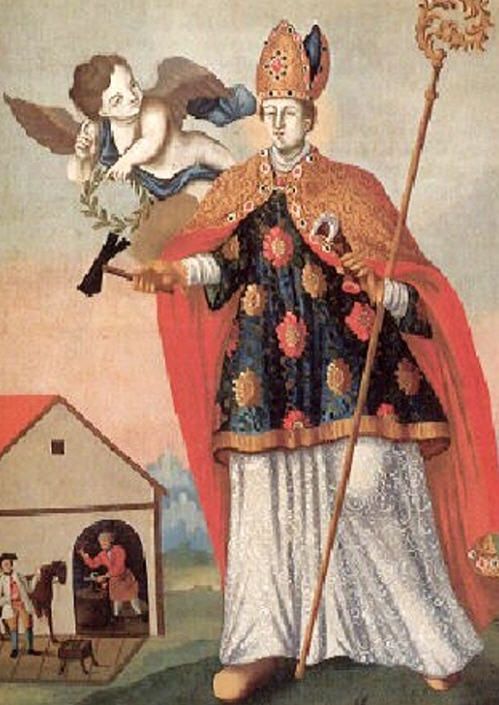
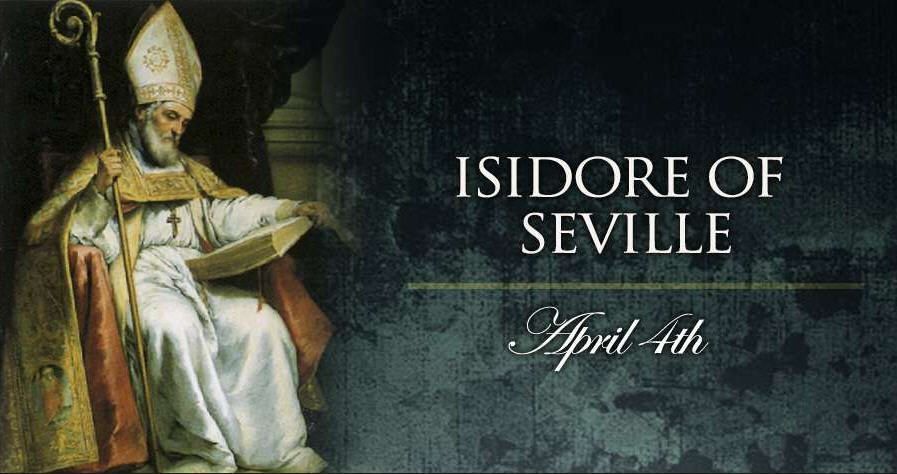
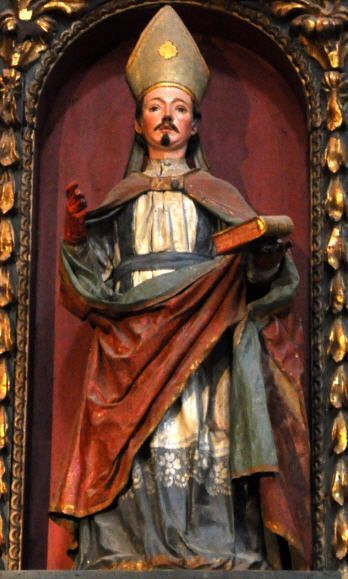
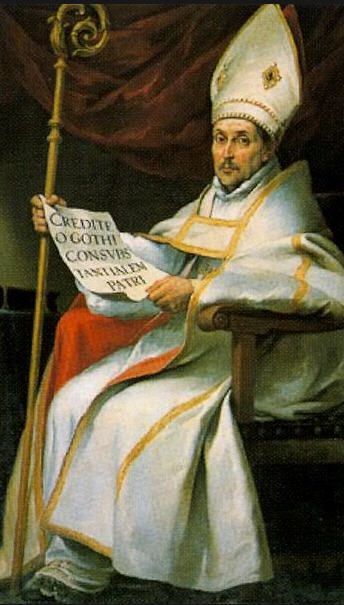
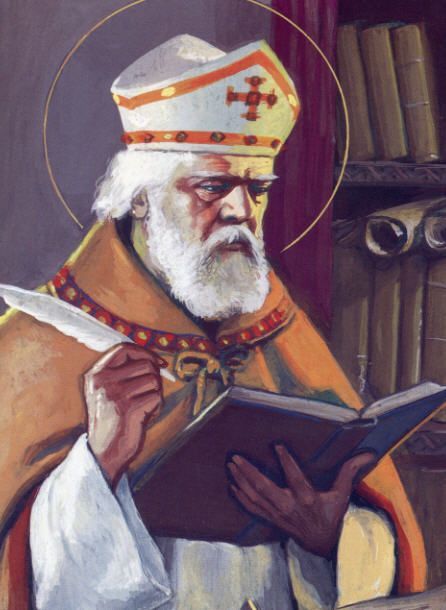
Saint Isidore - April 4
Quote:
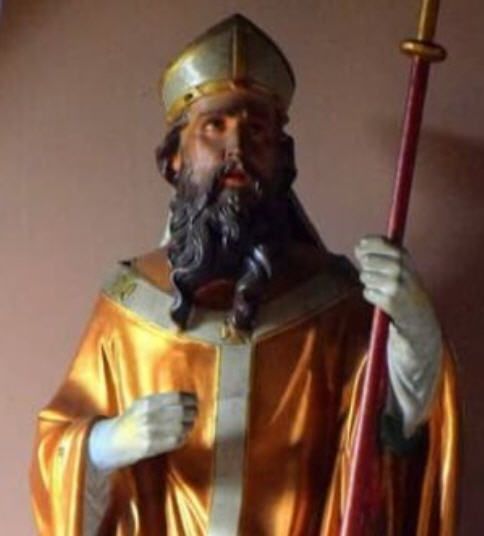
Isidore, a man of great distinction, bishop of the church of Seville, successor and brother of bishop Leander, flourished from the time of Emperor Maurice and King Reccared. In him antiquity reasserted itself—or rather, our time laid in him a picture of the wisdom of antiquity: a man practiced in every form of speech, he adapted himself in the quality of his words to the ignorant and the learned, and was distinguished for unequaled eloquence when there was fit opportunity. Furthermore, the intelligent reader will be able to understand easily from his diversified studies and the works he has completed, how great was his wisdom.
~Tribute to Saint Isidore by Bishop Braulio of Saragossa
Reflection:
Saint Isidore of Seville was among the most learned and prolific writers in the history of the Catholic Church. His influence was felt directly for more than a millennia, as his books were among the most copied and read books throughout the Middle Ages. Today, the world is unquestionably different because of this holy and brilliant man.
Isidore was born in Cartagena, modern-day Spain, to Severianus and Theodora, a well-respected, influential, and upper-class couple. Isidore had an older brother, Leander, who became a monk and then the Bishop of Seville. His younger brother, Fulgentius, became the Bishop of Astigi, and his sister, Florentina, became a nun of prominence. All three of Saint Isidore’s siblings are saints.
Isidore’s parents died when he was young, so his older brother, Leander, cared for him and his other two siblings. As a monk devoted to studies himself, Leander was especially attentive to the education of his siblings. Leander was quite strict in his disciplines, which resulted in Isidore obtaining a thorough education in grammar, logic, rhetoric, arithmetic, astronomy, music, geometry, Latin, Greek, Hebrew, and the Catholic faith. His interests were so vast that it has been said that Isidore knew everything. Isidore also benefited greatly from the contemplative influence of the monks he so admired and was drawn to their life of deep prayer.
At the time that Isidore was completing his education, the Visigoths were the ruling party in the Iberian Peninsula. The Visigoths were Christians who embraced the Arian heresy, which caused much division between them and the Nicene Catholics they ruled. Isidore’s brother, Leander, became the Bishop of Seville in 580 and served as bishop for about twenty years. In the first years of his episcopate, Leander, with the help of Isidore, worked tirelessly to convert the Visigoths to the Nicene Creed and to reject Arianism. When Liuvigild, the Arian Visigoth King died in 586, his younger son, Reccared, became king. A year later, through the efforts of Bishop Leander and Isidore, King Reccared renounced Arianism and embraced the true faith. In the decades to follow, most of the Visigoths also converted, bringing about Christian unity within the Iberian Peninsula.
When Bishop Leander died around the year 600, Isidore was named his successor in Seville and continued to strengthen the unified faith of Nicene Catholicism. Bishop Isidore was amazingly successful in his pastoral work. People flocked to him, listened to his preaching, were in awe of his vast knowledge, and were inspired by his holiness. As a shepherd, he was both an intellectual and a contemplative and enjoyed great confidence and trust from his people and other Church leaders.
One of Bishop Isidore’s greatest contributions to the Church and to the entire Western world was the writing of the Etymologiae, a comprehensive encyclopedia of all knowledge. This encyclopedia consisted of twenty volumes and summarized many of the great writers who had come before him, both pagan and Christian. Topics included grammar, rhetoric, logic, mathematics, geometry, music, astronomy, law, military science, languages, philosophers, architecture, clothing, food, cosmology, agriculture, mineralogy, physiology, zoology, and, of course, the Catholic faith. This encyclopedia became one of the most copied sets of books throughout the Middle Ages, directly influencing the Western world for more than 1,000 years.
In addition to his writings, Bishop Isidore presided over a number of Church councils. These councils were essential for the strengthening of the Church by further purifying it of heretical teaching, setting up administrative church structures and disciplines, and helping unify the people and bishops into one united voice and vision for the future. Bishop Isidore’s role in these councils was so crucial that in 653, just seventeen years after Bishop Isidore’s death, a subsequent Council in Toledo honored his memory and influence in these words: “The extraordinary doctor, the latest ornament of the Catholic Church, the most learned man of the latter ages, always to be named with reverence, Isidore.”
During his lifetime, Saint Isidore had an enormous influence upon the Church and Western world. He influenced popes, bishops, clergy, laity, kings, and heretics. He won over the minds and hearts of countless people for Christ, uniting them with confidence in the true faith. His intellectual gifts, coupled with his deep holiness, inspired many to turn to him for guidance. It’s hard to underestimate the influence this one man had upon the entire Western world by being a holy bishop in the Diocese of Seville. Though very few people are called to accomplish what he accomplished, we must all do our part. Ponder the legacy that you will leave behind, and pray that God will use you to not only influence those around you today, but that your influence will also be felt for generations to come.
Prayer: Saint Isidore, God gifted you with a keen intellect that you wholeheartedly devoted to the service of Christ and His Church. Coupled with your personal holiness and charismatic nature, you left an enduring legacy of faith for countless generations. Please pray for me, that I will devote every gift I have been given to the glory of God and the building up of His Church. Saint Isidore, pray for me. Jesus, I trust in You.
April 3
Quote:
“Let him be crucified!” But he said, “Why? What evil has he done?” They only shouted the louder, “Let him be crucified!”
~Matthew 27:22–23
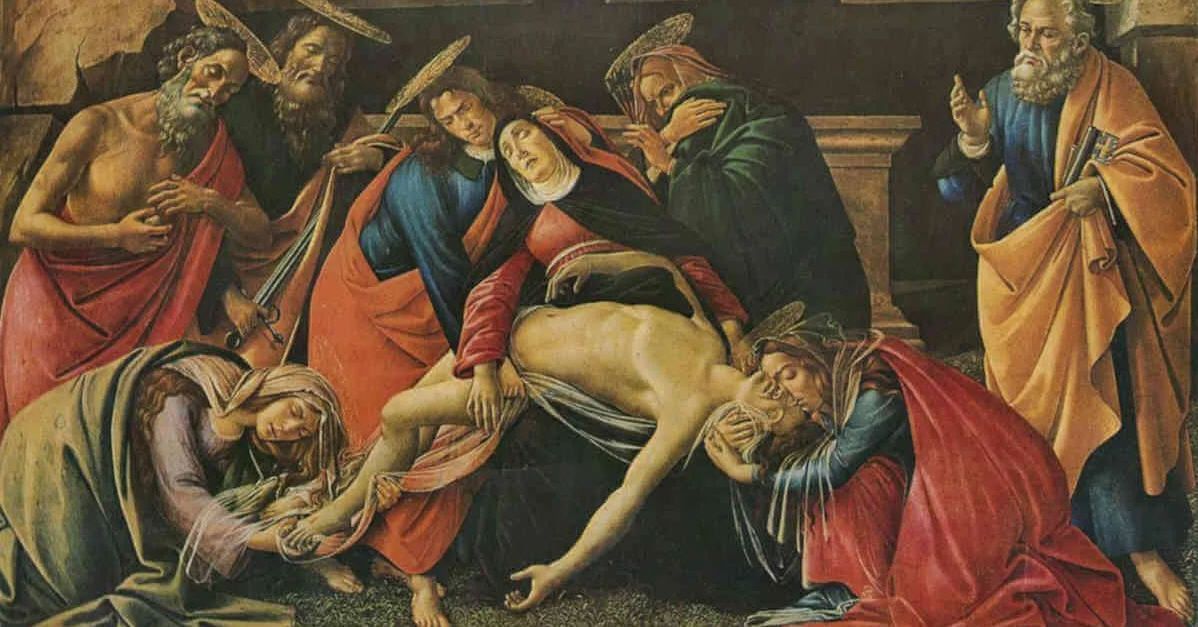
Reflection: Perhaps one of the most surprising practices on Good Friday is that the Mass is not celebrated. Instead, Jesus’ saving Sacrifice is commemorated by the full reading of the Passion account, the veneration of the Cross, and the distribution of Holy Communion that was consecrated the day before. Why wouldn’t we celebrate the Sacrifice of the Mass on Good Friday? Saint Thomas Aquinas gives a profound answer to this question in his masterful work, Summa Theologica (See III.83). In part, he says the following:
Reply to Objection 2. The figure ceases on the advent of the reality. But this sacrament is a figure and a representation of our Lord’s Passion, as stated above. And therefore on the day on which our Lord’s Passion is recalled as it was really accomplished, this sacrament is not consecrated.
A careful reading of that passage, as well as the rest of that article, tells us that there is great power in the Liturgical Year, and in our annual Commemoration of the Lord’s Passion on Good Friday. We celebrate Mass daily throughout the year, except on Good Friday, so that we can receive the fruit of the Passion every day. The Church teaches that Mass is an efficacious sign, meaning that the Mass both signifies Christ’s sacrifice and actually makes it present. But on Good Friday, we celebrate our Lord’s Passion in the reality of time. Therefore, in terms of grace, nothing is lost by the absence of Mass on Good Friday. Instead, we must understand that the day of Good Friday itself becomes a powerful instrument of grace. Our liturgical Commemoration of our Lord’s Passion on Good Friday enables us to share in His saving act of redemption, just as the Mass does every other day of the year.
Setting aside the profound depth of theology present in this teaching, what does this mean, practically, for those who participate in the Good Friday Liturgy today? Here are a few thoughts for pondering.
As you prayerfully participate in the Liturgical Commemoration of the Lord’s Passion, know that this day itself is endowed with grace and power. The grace does not come through the sacramental “Memorial” of the Lord’s Passion but from the reality encountered in this once-a-year Commemoration. This day itself is a real and sanctifying participation in the fruit of Jesus’ saving Sacrifice.
To better understand this, look into your own soul and consider any ways that you have experienced God’s grace powerfully and uniquely on Good Friday. Perhaps, in years past, you entered into the Triduum in a prayerful and recollected way. Call that experience to mind, and understand that this deep encounter with our Lord was especially made possible because those days are holy.
Today, as you celebrate Good Friday, understand that the floodgates of Heaven are opened to you in a way unlike any other day of the year. Seize this moment in time. Seize this once-a-year opportunity to enter into our Lord’s suffering and death. Do so prayerfully, meditatively, truly, and intentionally. Especially honor the hours between noon and three o’clock. Try to set that time aside for nothing other than prayer and recollection. This day is sanctified. Time is sanctified. By entering into prayer during these hours of sanctified time, you will discover that God is especially present to you.
Read the Passion. Pray the Stations of the Cross. Recite the Sorrowful Mysteries of the Rosary. Gaze at a crucifix. Fast, keep vigil, be attentive, and be open to the abundance of grace our Lord wishes to bestow upon you this Good Friday, especially by participating in the liturgical Commemoration of the Lord’s Passion during the sacred hours when our Lord hung on the Cross. Today, “the figure ceases on the advent of the reality.” Today, the reality is here, captured in time, made present to you. Stand before His sacred Cross, and allow His mercy to pour forth upon you from His wounded side.
Prayer: My suffering and sacrificial Lord, You have sanctified this day and endowed it with grace. As I commemorate Your saving sacrifice, draw me into this mystical act of love. Help me to remain prayerful and recollected throughout this day and into tomorrow. Invite me to stand before Your Cross and to gaze upon Your beaten and torn body. As I do, pour forth the abundance of Your mercy flowing from Your wounded side. Jesus, I trust in You.

April 2

Quote:
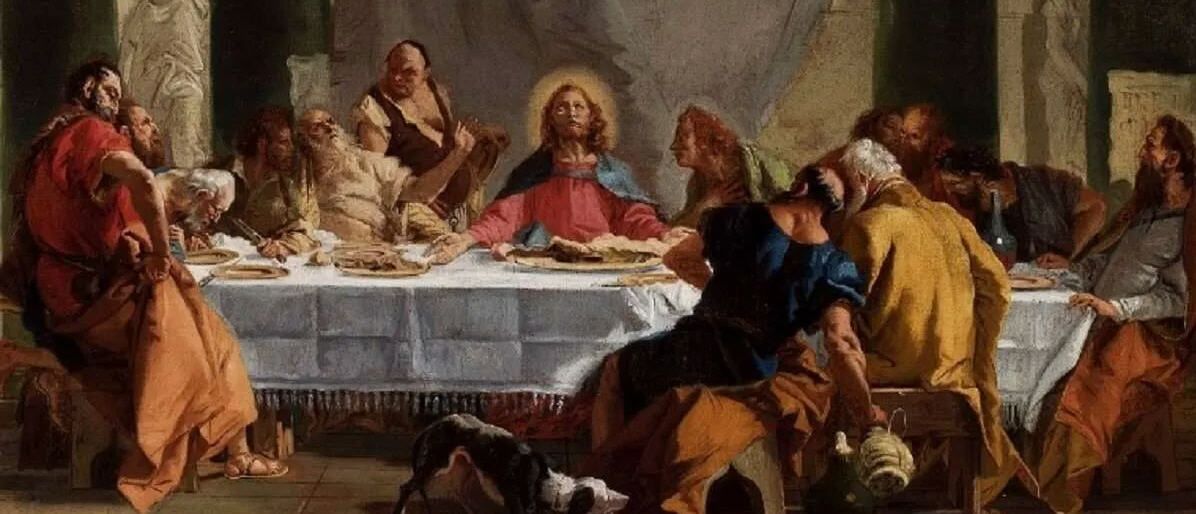
Then he took the bread, said the blessing, broke it, and gave it to them, saying, “This is my body, which will be given for you; do this in memory of me.” And likewise the cup after they had eaten, saying, “This cup is the new covenant in my blood, which will be shed for you.”
Reflection: Holy Thursday is also called Maundy Thursday. “Maundy” comes from the Latin word mandatum, which is translated “mandate.” It is on this night that our Lord gave the mandate to “do this in remembrance of me.” That mandate was the command to celebrate the Most Holy Eucharist until the end of time, a mandate that the faithful continue to keep.
According to Sacred Scripture, Holy Thursday was a power-packed day and night. It began with Jesus sending Peter and John ahead to prepare the Upper Room for the celebration of the Passover meal. That meal would become the beginning of the New Passover. During the meal, Jesus gave a witness of selfless, sacrificial service by fulfilling the role of a servant and washing the feet of the disciples. After that, Jesus transformed the bread and wine into His Body and Blood, Soul and Divinity for the very first time, and the disciples received Holy Communion. By commanding them to “do this in remembrance of me,” Jesus instituted the new sacramental priesthood. He also predicted that one of those priests would betray Him and another would deny Him, a sign that His chosen priests then and now are also sinners. In John’s Gospel, Jesus gave a lengthy sermon and then went out to the Garden of Gethsemane to pray in agony as He awaited His arrest. Peter, James, and John went with Him but fell asleep, abandoning our Lord in His last agony. Jesus was arrested, endured the scrutiny of the High Priests Annas and Caiaphas, and then was imprisoned so that He could be sent for judgment by Pilate. During the interrogations, the disciples fled, and Peter, the future leader of the Church, denied he knew Jesus three times.
Was this truly a “holy” night? Indeed. True holiness is not a matter of having everything in your life be easy. It’s not about having the most entertaining and comfortable life possible. It’s not about avoiding every obstacle and difficulty that might befall you. Holiness is about fidelity to the fulfillment of the will of the Father in Heaven. Jesus fulfilled the Father’s will that night flawlessly. He set the stage for the coming of the Holy Spirit, instituted the Sacraments, and prepared to empower those Sacraments with His very life, which would be sacrificed the following day.
During the evening of Holy Thursday, after the conclusion of the Mass, the faithful accompany Jesus on a procession from the church to an altar of repose where our Lord’s sacred Body is placed until midnight. Whether you are able to kneel before that altar tonight or not, be with our Lord in prayer. Keep vigil with Him. Hear our Lord say to you, “My soul is sorrowful even to death. Remain here and keep watch with me” (Matthew 26:38). If you struggle with accompanying our Lord in prayer, then hear Him say to you what He said to Peter, “So you could not keep watch with me for one hour? Watch and pray that you may not undergo the test. The spirit is willing, but the flesh is weak” (Matthew 26:40–41). If you bring burdens with you tonight, say with our Lord, “My Father, if it is not possible that this cup pass without my drinking it, your will be done!” (Matthew 26:42). With a concerted effort, remain recollected throughout this night, tomorrow, and Saturday. It all begins tonight but culminates with Easter joy on Sunday. Enter Jesus’ suffering and death so that you can also share in His Resurrection!
Prayer: My agonizing Lord, You endured every human suffering imaginable out of love for me and all Your children. Please give me the grace I need to accompany You through Your suffering and death. May I unite my sufferings with Yours, embracing them freely and with love, so that I may fulfill the Father’s will, sacrificially laying my life down for others, and may one day share fully in the glories of Your Resurrection. Jesus, I trust in You.
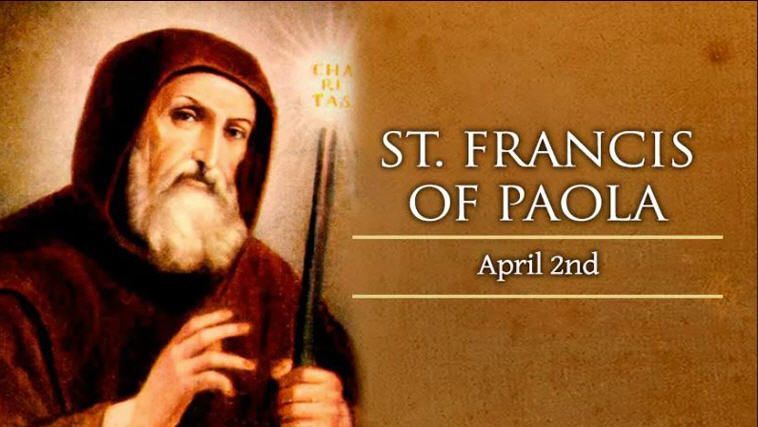
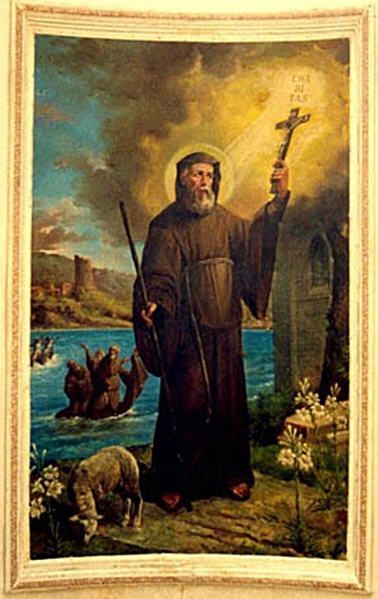
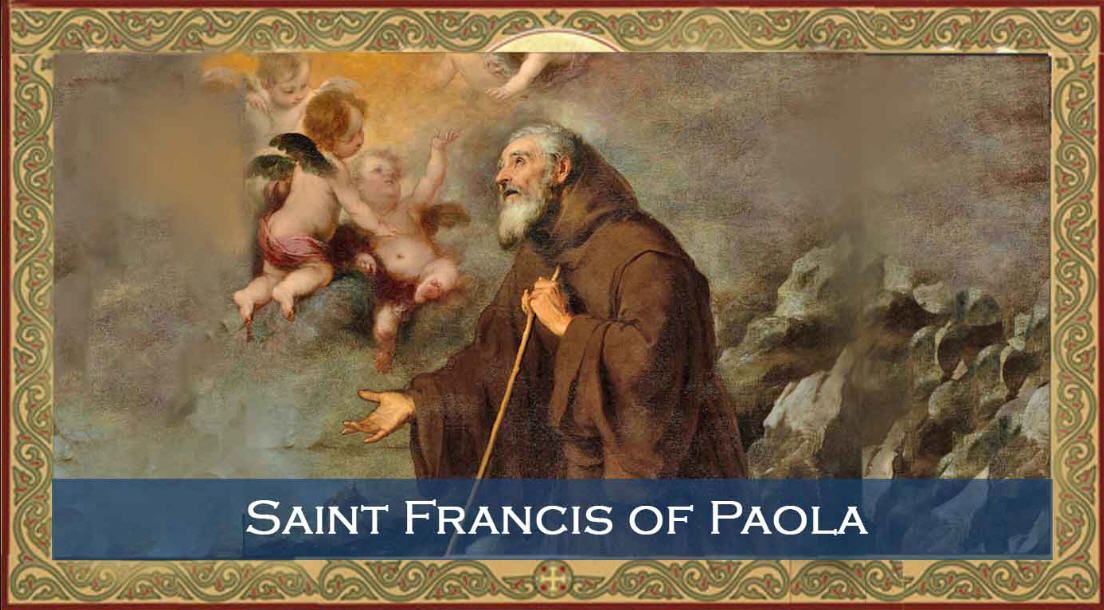
Saint Francis of Paola - April 2
Quote:
“Charity is not just a word, it is a way of life that asks for nothing in return.”—St. Francis of Paola
Reflection:
St. Francis of Paola was born in 1416 in the town of Paola, in southern Italy. From a young age, he was drawn to a life of solitude, prayer, and penance. At just 13, he lived in a cave near his hometown, embracing a hermit’s life with radical simplicity and devotion to God. Over time, others were drawn to his holiness, and a small community formed around him. This led to the founding of the Minims, a religious order committed to humility, asceticism, and love for the poor.
Though he avoided worldly affairs, Francis became a trusted advisor to kings and popes, always advocating for peace and the spiritual welfare of souls. Known for miracles and prophetic insight, he lived to the age of 91 and died in 1507. He is remembered as a humble man who chose the lowest place and lived only for God.
Practical Lessons
- Simplify Your Life: St. Francis of Paola lived with only what was necessary. In modern life, that could mean decluttering your home, reducing screen time, or choosing time with family over constant busyness.
- Use Your Influence for Good: Though Francis was a hermit, he didn’t shy away from advising kings when needed. Whether it’s encouraging a friend, mentoring a colleague, or voting with your values, use your voice to promote truth and peace.
- Be Quietly Generous: Francis avoided recognition but constantly helped others. Today, that might look like doing an unseen favor, praying for someone privately, or supporting a charity anonymously. Let humility guide your giving.
Prayer:
St. Francis of Paola, gentle hermit and faithful servant of God, intercede for us. Teach us to live with simplicity, to act with quiet humility, and to trust fully in the providence of God. Help us to let go of what we do not need and to seek the peace that comes from placing God above all else. Pray that we may follow your example of hidden holiness and love for others. Amen.
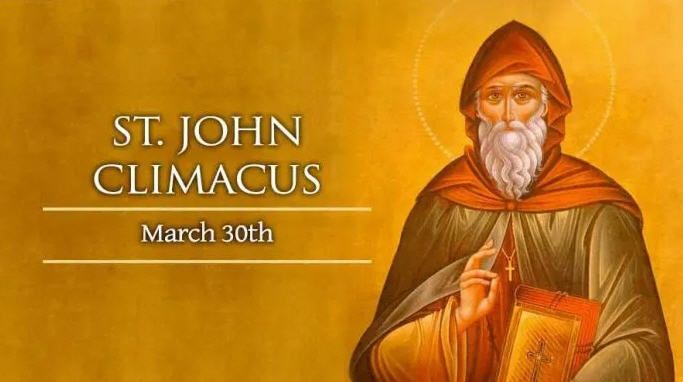
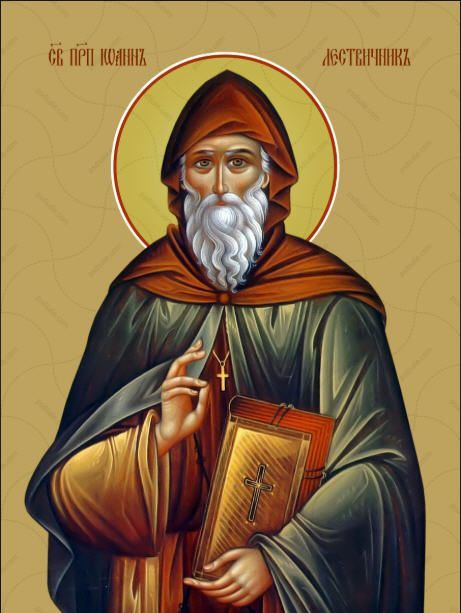
Saint John Climacus - March 30
Quote:
“Ascend, brothers, ascend eagerly, and be resolved in your hearts to climb up and hear Him who says: Come and let us go up to the mountain of the Lord.” — St. John Climacus
Reflection:
St. John Climacus was born in the late 6th century and became a monk at Mount Sinai at a young age. He devoted his life to prayer, fasting, and spiritual discipline, eventually becoming the abbot of St. Catherine’s Monastery. His most famous work, The Ladder of Divine Ascent, outlines the spiritual journey toward holiness, comparing it to a ladder with 30 steps leading to union with God.
This book became one of the most influential guides in Christian asceticism, offering wisdom on humility, detachment, prayer, and love. St. John Climacus’ teachings continue to inspire those seeking a deeper spiritual life. He died in the mid-7th century, leaving behind a legacy of wisdom for all who strive for holiness.
Practical Lessons
Prioritize Spiritual Growth Daily: Just as St. John Climacus described the spiritual journey as a step-by-step ascent, focus on small daily improvements in prayer, patience, and kindness. Even five extra minutes of prayer or resisting a bad habit can help you grow in virtue.
Control Distractions in a Noisy World: St. John emphasized detachment from worldly distractions. In modern life, this might mean setting limits on social media, creating quiet spaces for reflection, or avoiding unnecessary busyness to focus on what truly matters.
Seek Guidance from Wise Mentors: St. John believed that spiritual growth flourishes under good guidance. Look for mentors, whether priests, spiritual directors, or wise friends, who can offer encouragement and accountability in your journey toward God.
Prayer:
St. John Climacus, guide of souls and teacher of wisdom, help us to climb the ladder of virtue in our daily lives. Pray that we may overcome our weaknesses, detach from distractions, and seek God with sincerity of heart. Through your intercession, may we grow in holiness and reach the heights of divine love. Amen.
Saint Gladys - March 29
Reflection:
Born an Irish princess in the 5th century, St. Gladys was devout from childhood. Her father, King St. Brychan of Brechnock, raised her with strong Christian values that would be the bedrock of her faith and help her withstand trials later on. As she aged, she grew not only in holiness but beauty, and soon caught the attention of the most eligible bachelors in the neighboring kingdoms. Among them was a brutish neighbor, King Gwynllyw Farfog. He was so taken with Gladys that he invaded King Brechnok’s kingdom and captured her by force. Her father tried to pursue them and rescue his daughter from marriage to such an ill-tempered man, but the High King Arthur stopped King Brechnock’s pursuit and persuaded him to come around to the arrangement.
St. Gladys matured into a graceful queen of Wales, serving God and her kingdom faithfully by her husband’s side. She bore seven children during their reign, all of whom became saints and one of whom, St. Cadog, helped her to convert King Gwynllyw, who also was canonized after his death. In their old age, Gladys and Gwynllyw left their regal life and decided to live as devout hermits. After the death of her husband, Gladys founded a hermitage in Pencarn and stayed there until she died on March 29th. Her feast day is shared by her husband, St. Gwynllyw.
Practical Lessons
Raise Your Children in the Faith: St. King Brechnok’s decision to raise St. Gladys with strong Christian values gave her the fortitude and graces necessary to keep her faith after her kidnapping—and not only to keep it, but to raise seven more saints and convert her husband. This foundation of faith was not only for his daughter, but for all his descendants to come and the countless lives they would touch.
Evangelize: Sometimes we may be tempted to keep our faith to ourselves, especially around our closest loved ones who we know do not share our values or beliefs. However, St. Gladys perfectly exemplifies how God rewards us in sharing our faith with those closest to us.
Always Be Open to God’s Will: St. Gladys and St. Gwynllyw’s decision to leave their riches behind and become hermits for love of God reminds us to always be open to His will. This radical decision is very convicting; we were not made for the fleeting pleasures of this world but for the glories of Heaven. We must be open to whatever way of life God is calling us to in order to help us attain that.
Prayer:
O, St. Gladys, beautiful Queen of Wales, pray for us that we may have faith as strong as yours. Please ask Jesus to let us not be formed by the world but rather to form the world around us in His image. Please ask Him to lead us to Heaven, along with our spouses and our descendants. Amen.
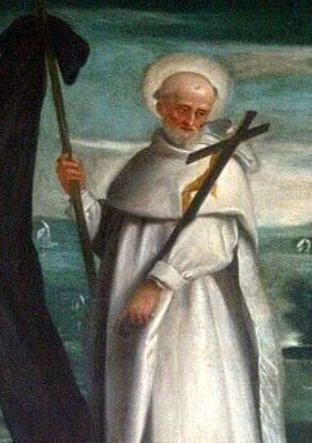
Saint Venturino of Bergamo - March 28
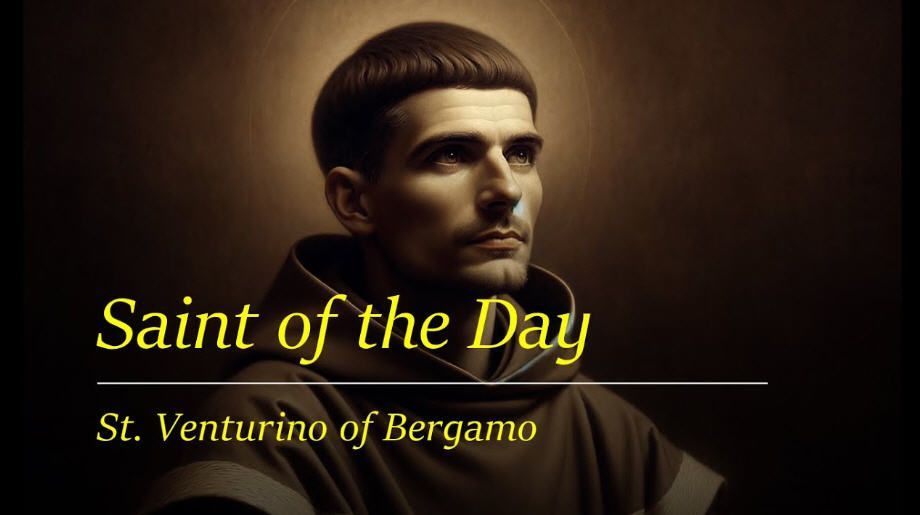
Quote:
“Let every setback be a step toward deeper faith and greater humility.” — St. Venturino of Bergamo
Reflection:
St. Venturino of Bergamo was born in 1304 in Italy and entered the Dominican Order at a young age. A gifted preacher, he traveled throughout Italy, drawing large crowds with his passionate sermons calling for repentance and conversion. His devotion to renewing Christian life led him to organize a large pilgrimage to Rome, but misunderstandings with Church authorities led to his temporary exile. Despite this setback, he remained faithful, accepting correction with humility and obedience. Eventually, he was restored to favor and continued his mission of evangelization.
St. Venturino spent his final years working tirelessly for the Church, dedicating himself to preaching and prayer. He died in 1346, leaving a legacy of zeal, humility, and perseverance.
Practical Lessons:
Use Your Talents for Good: St. Venturino had a gift for preaching and used it to inspire others. Identify your strengths—whether in speaking, writing, organizing, or helping others—and use them to serve your family, parish, or community.
Accept Correction with Humility: When faced with criticism or misunderstandings, he did not rebel but remained faithful. In daily life, this means handling feedback gracefully, learning from mistakes, and trusting in God’s timing for justice and restoration.
Persevere Despite Setbacks: Even after being exiled, he did not abandon his mission. Whether in career struggles, relationships, or spiritual life, keep going, trust in God, and remain faithful to your calling.
Prayer:
St. Venturino of Bergamo, you preached the Gospel with boldness and remained faithful through trials. Pray for us, that we may use our gifts to serve God and others, accept correction with humility, and persevere in faith despite challenges. Help us to seek holiness in all we do, trusting in God’s plan. Amen.
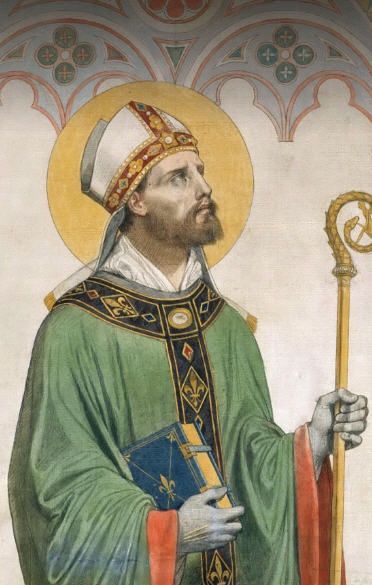
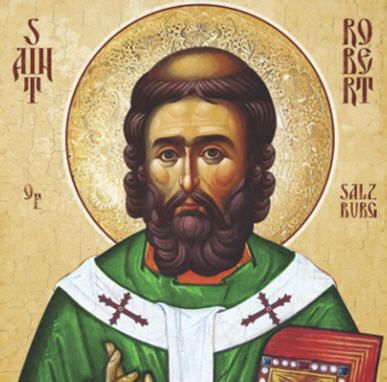
Saint Rupert of Salzburg - March 27
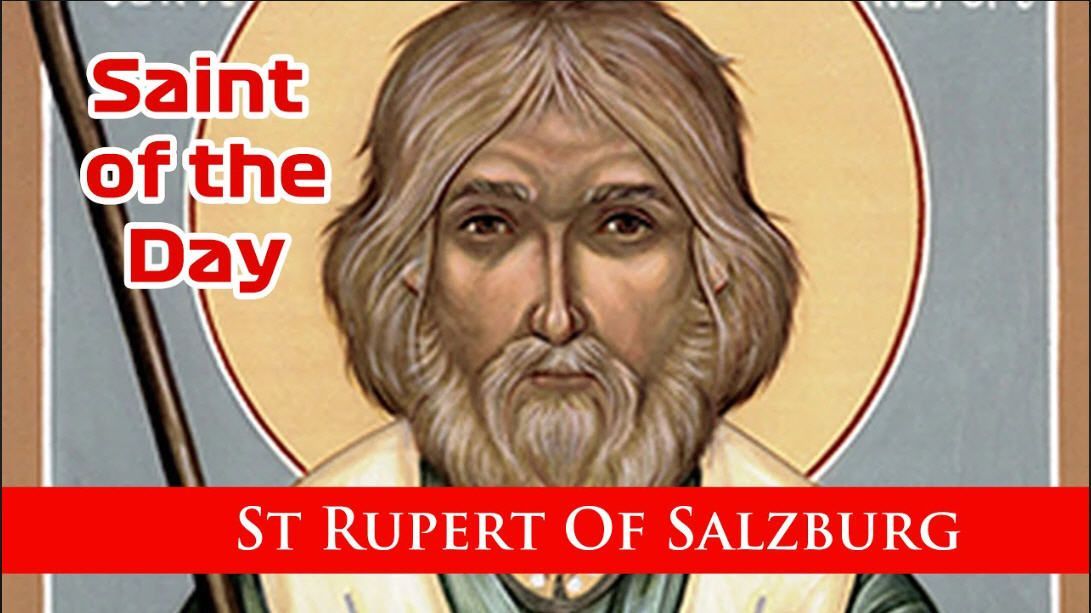
Quote:
“Let us labor not only for ourselves, but for the good of those who will come after us.” — St. Rupert of Salzburg
Reflection:
St. Rupert of Salzburg was born in the late 7th century, likely in France or Germany. A bishop in Worms, he was known for his missionary zeal and wisdom. Invited to Bavaria by Duke Theodo, Rupert revitalized the Christian faith in the region, converting many through preaching and acts of charity. He founded churches, schools, and the famous monastery of St. Peter in Salzburg, establishing the city as a center of faith and learning. Known for his love of education, he encouraged literacy and the arts while also promoting practical skills such as salt mining to improve the local economy. Rupert’s legacy lives on in Salzburg, where he is honored as the city’s patron saint. He died around 710, leaving behind a flourishing Christian community.
Practical Lessons:
Use Your Skills for the Common Good: Rupert improved the local economy by promoting salt mining. In daily life, this means finding ways to use your knowledge, trade, or skills to help your community—whether mentoring a coworker, teaching a skill to a young person, or supporting a local business.
Be a Positive Influence Where You Are: Rupert turned Salzburg into a center of faith and culture. Whether at home, at work, or in social circles, we can strive to bring positivity and encouragement to those around us through kindness, faith, and integrity.
Invest in Lifelong Learning: Rupert valued education and the arts. Today, we can follow his example by reading, attending lectures, learning a new skill, or deepening our faith through Scripture study and prayer.
Prayer:
St. Rupert of Salzburg, faithful shepherd and builder of Christian communities, pray for us as we seek to use our gifts for the good of others. Inspire us to grow in knowledge and faith, to create places of peace and beauty, and to be a positive force in our families and workplaces. May we, like you, leave behind a legacy of faith, wisdom, and service. Amen.
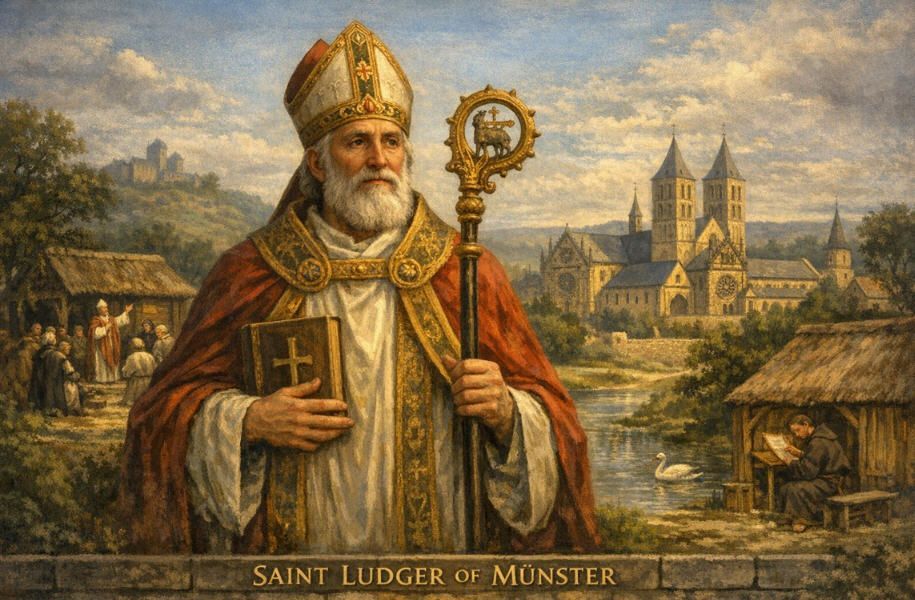
Saint Ludger - March 26
Quote:
“Not by force, but by faith and friendship, shall hearts be won for Christ.” — St. Ludger
Reflection:
St. Ludger was born around 742 in Friesland (present-day Netherlands). As a young man, he studied under St. Gregory of Utrecht and later at the renowned monastery of York under Alcuin. Deeply inspired by missionary work, Ludger was ordained a priest and dedicated his life to spreading the Gospel among the pagan Saxons and Frisians. He founded monasteries and churches throughout the region, most notably the monastery at Werden, which became a center of learning and faith. Known for his gentle approach, Ludger won many converts not through force, but through kindness, humility, and example. In 804, he was consecrated the first Bishop of Münster, where he served faithfully until his death in 809. His legacy lives on through the communities he built and the faith he helped to root in northern Europe.
Practical Lessons
Lead with Kindness: St. Ludger converted thousands not by arguing, but by listening, serving, and showing respect. In your own life—at work, home, or school—treat others with gentleness, especially those who think or believe differently than you.
Use Your Skills for the Church: Ludger used his education and leadership skills to build churches, schools, and monasteries. Think about your own gifts—whether teaching, organizing, or creating—and find ways to use them in your parish or community.
Stay Faithful in Small Things: Ludger served people in rural villages as faithfully as he did in cathedrals. Be consistent in your daily commitments—show up on time, follow through, and serve others with humility, no matter how small the task.
Prayer
St. Ludger, missionary and bishop, you brought the light of Christ to lands in darkness through wisdom, humility, and love. Pray for us, that we may serve God faithfully in our daily responsibilities. Help us to lead others by example, to use our gifts for the good of the Church, and to live with patience and peace. May we, like you, always place Christ at the center of our lives. Amen.
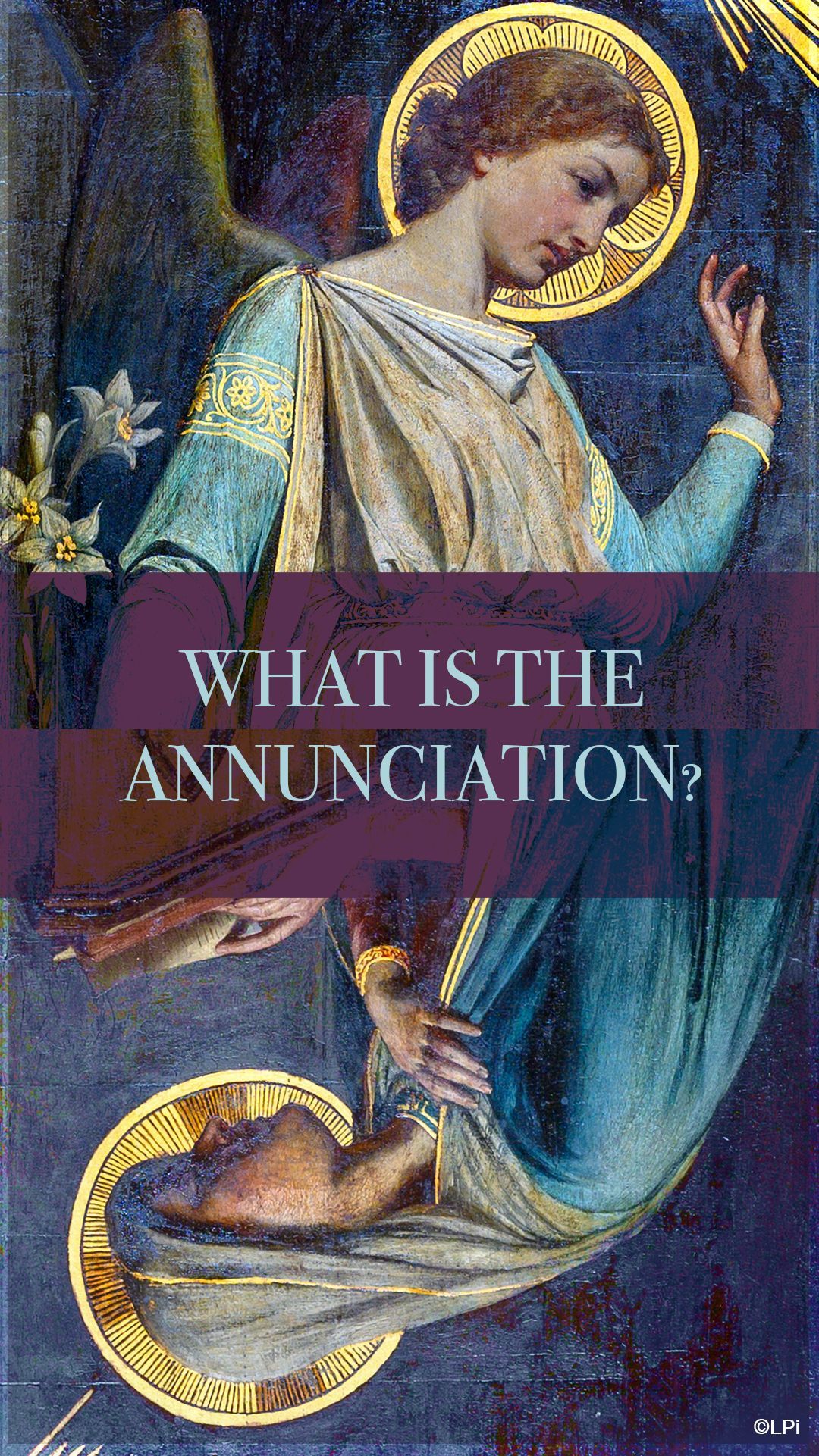
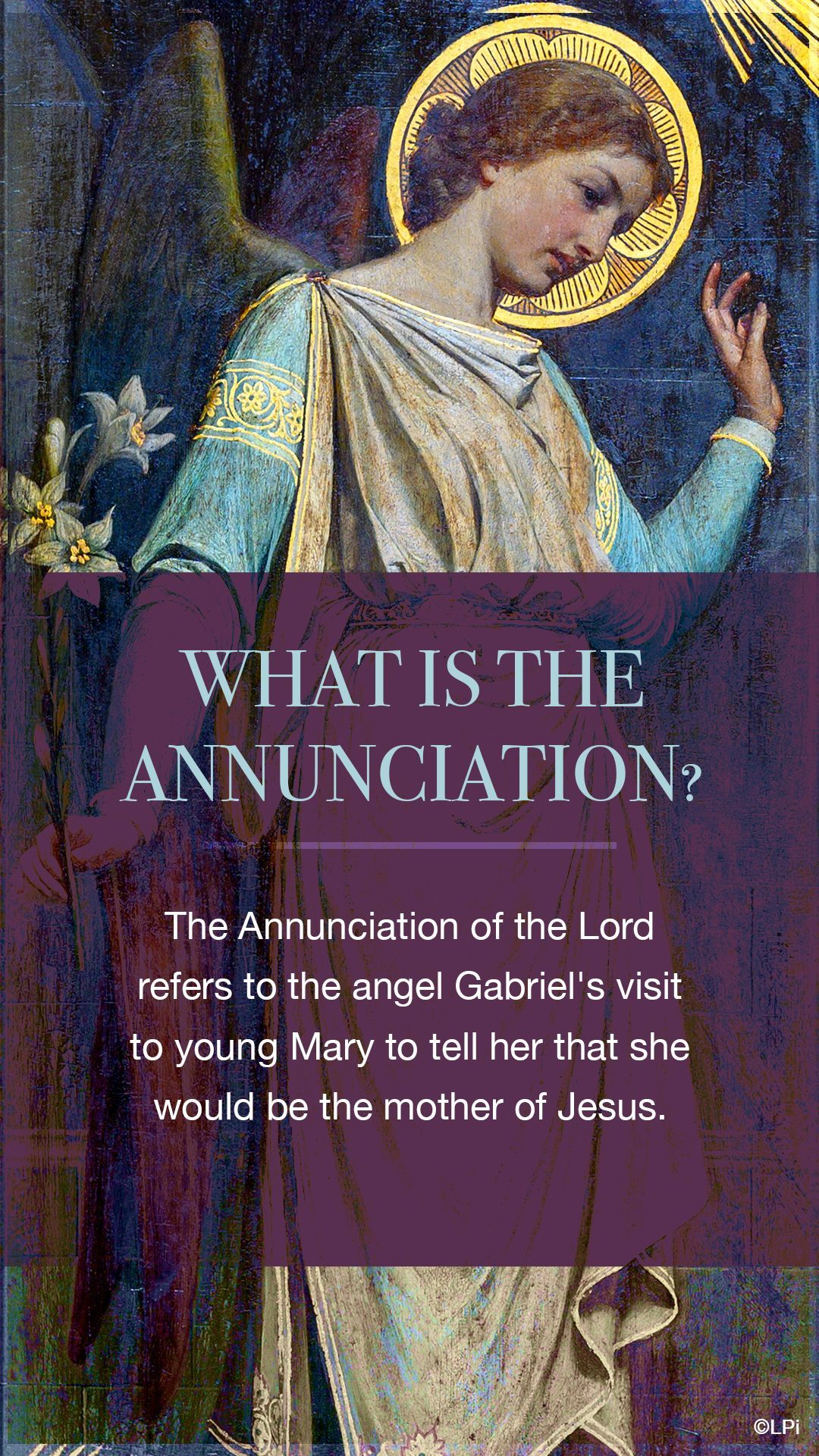
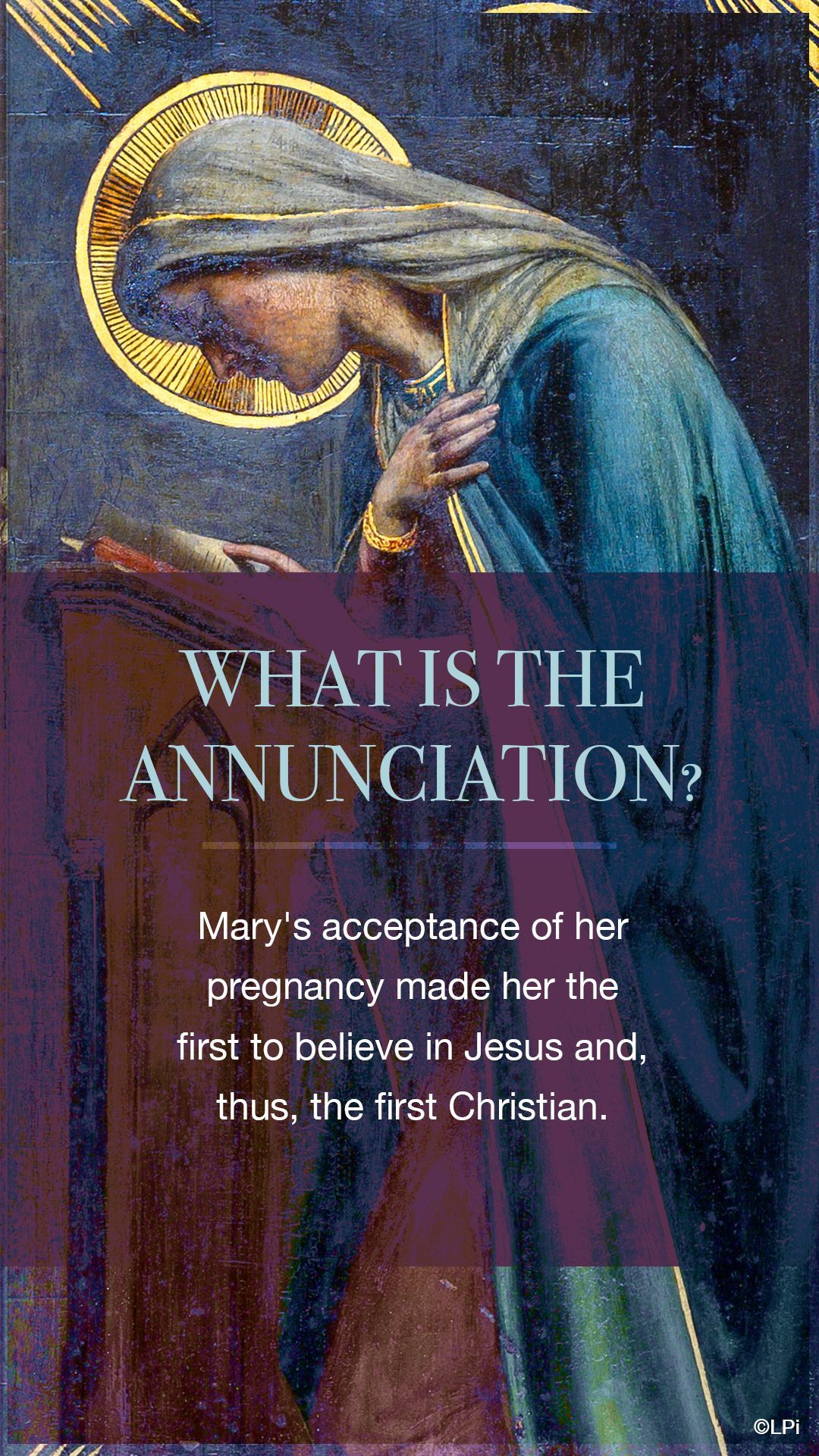
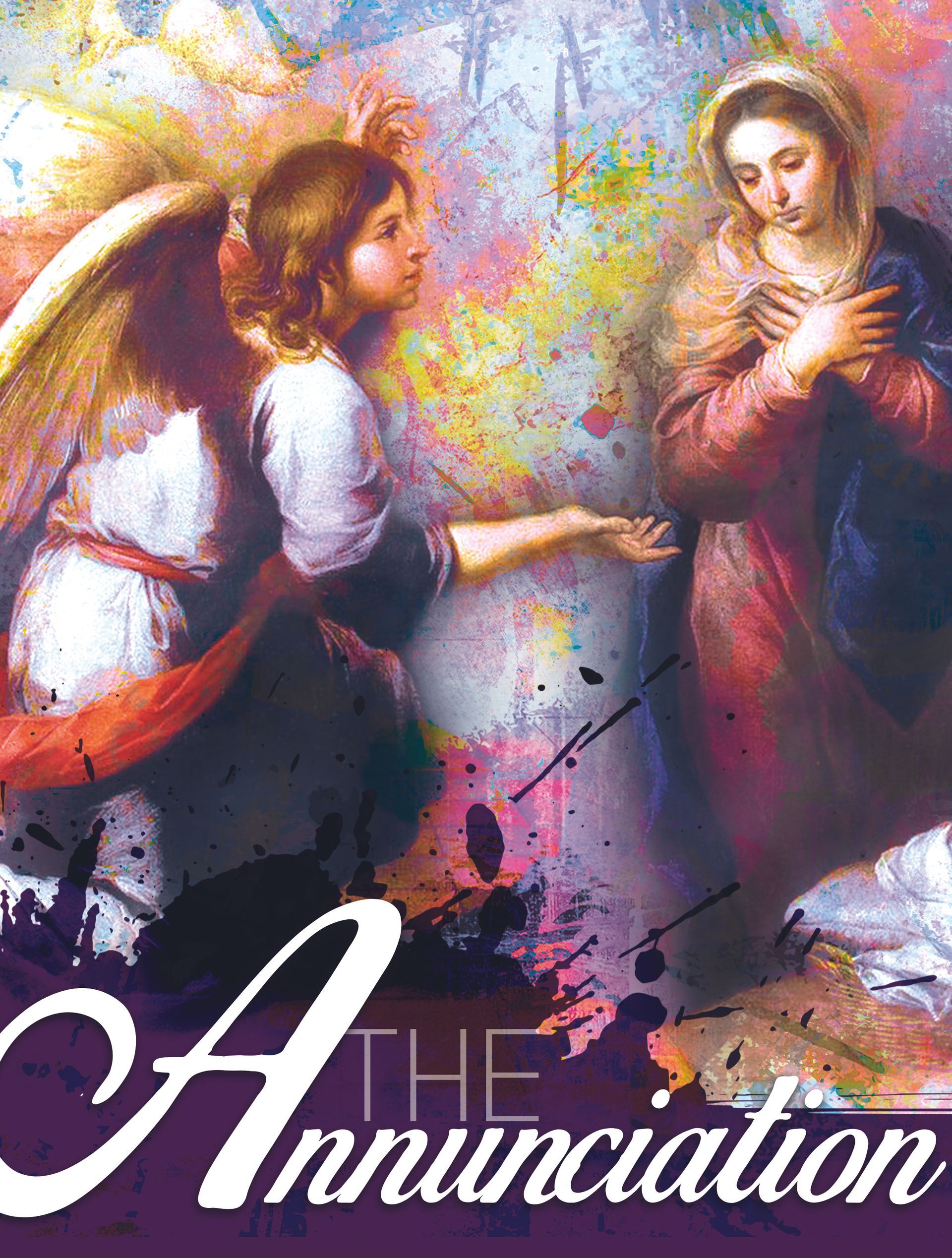
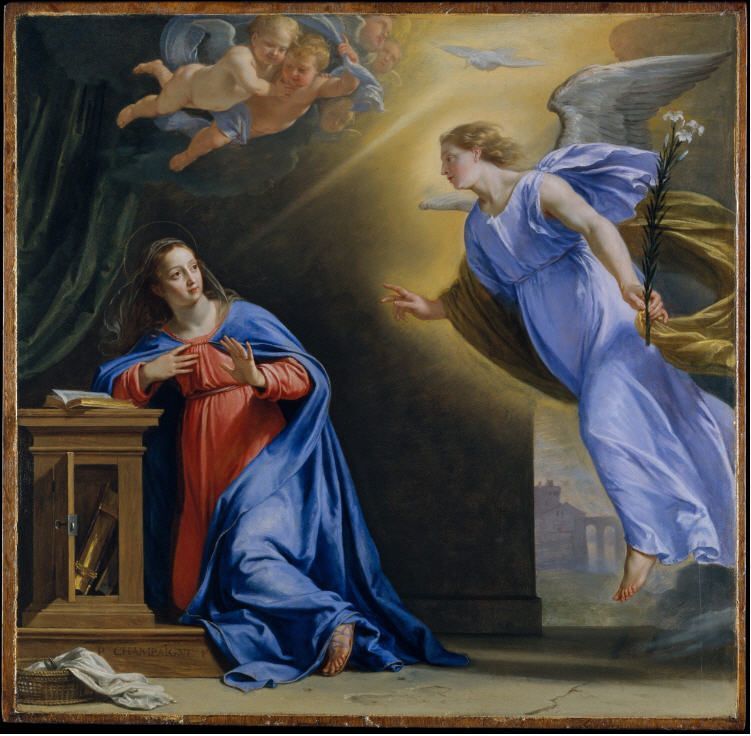
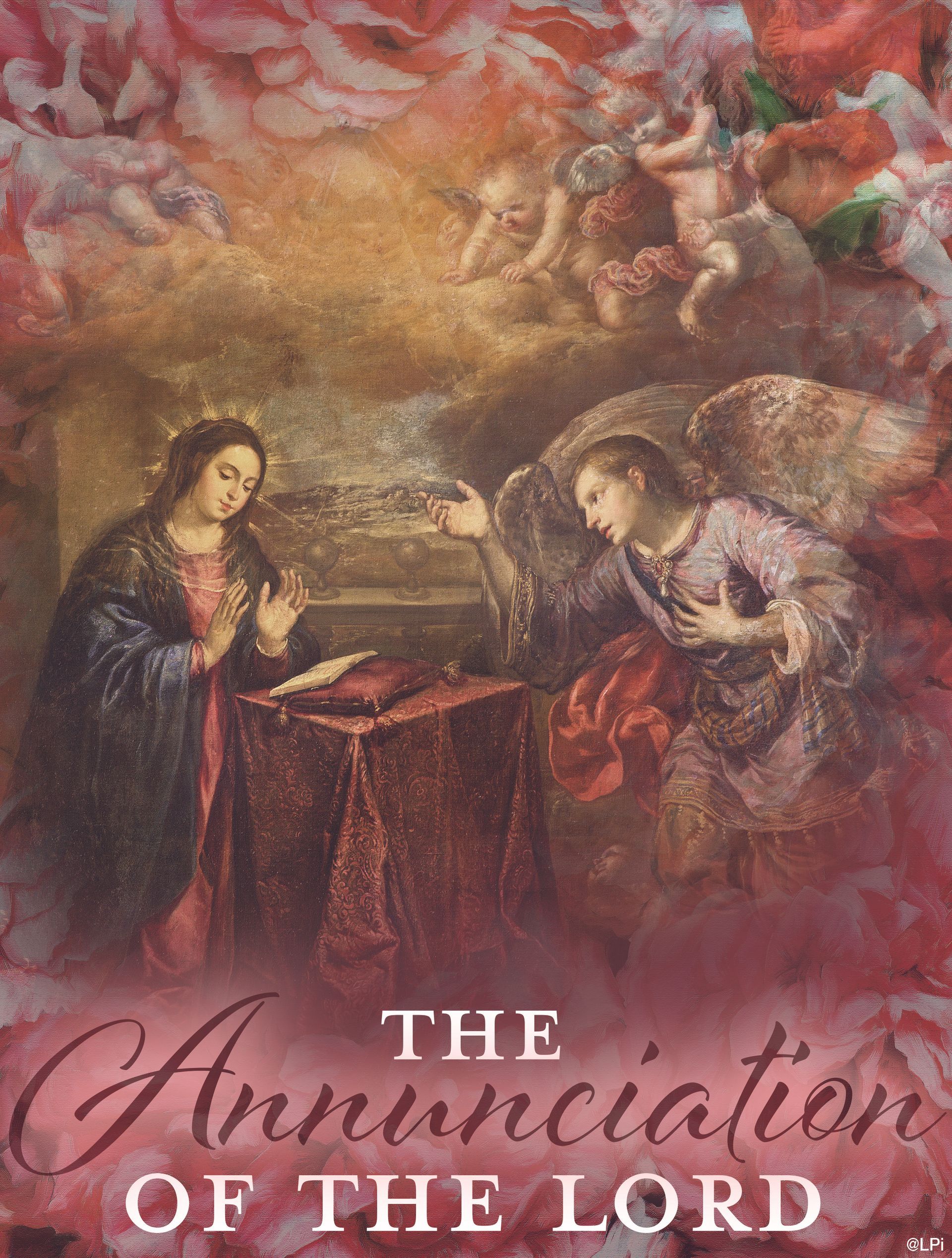
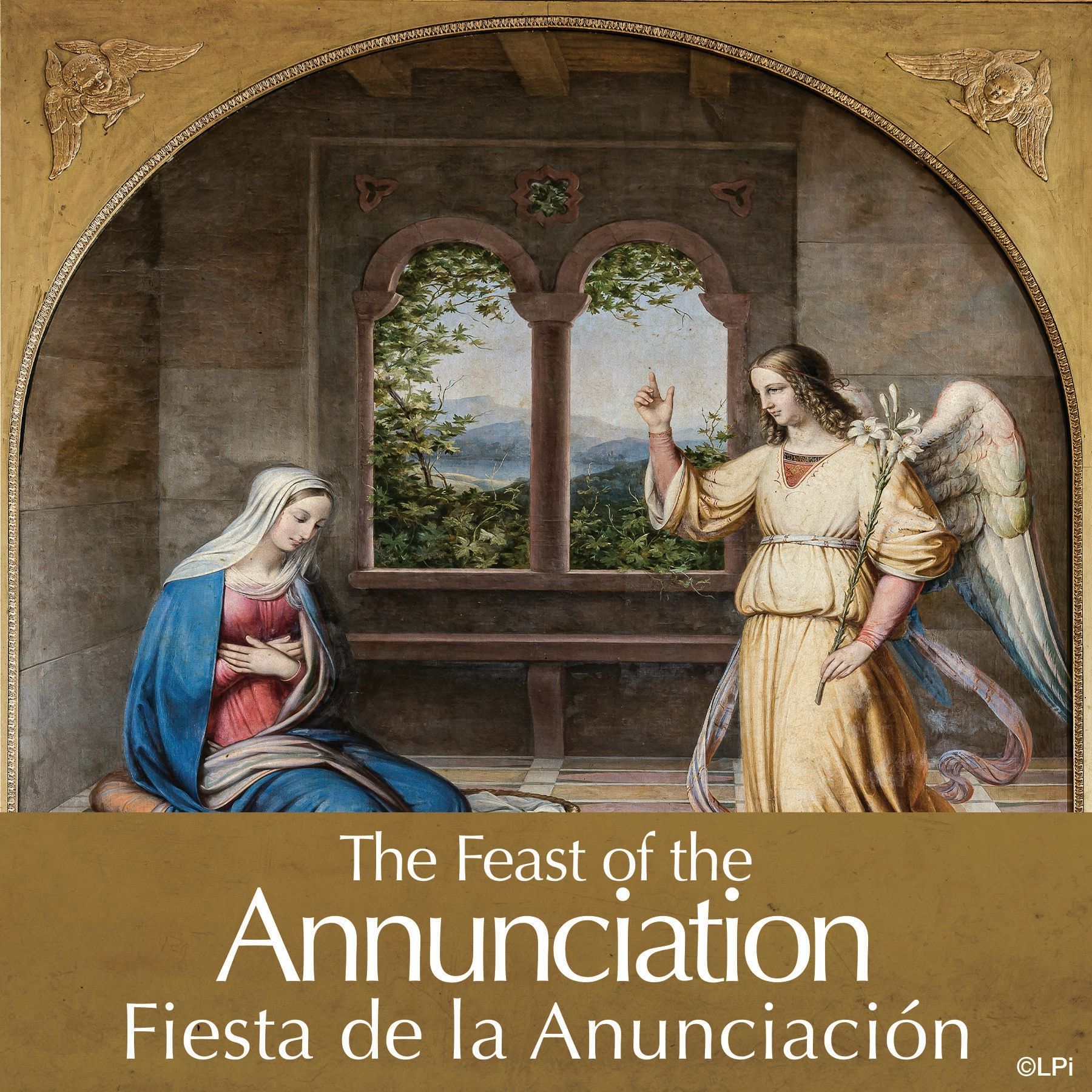
The Feast of the Annunciation - March 25

God is welcomed on earth
It is a familiar scene. God proposes and waits for a response. “Behold, I am the handmaid of the Lord; let it be to me according to your word.”. (Luke 1:26-38).
Mary becomes the Mother of God and of the Savior, and later as she stands at the foot of the Cross, the Mother of the Church. This feast is firstly the celebration of the Incarnation when God began his human life in Mary, a life that will carry this tiny embryo up to the Cross, the Resurrection and the glory of God.
Mary’s receptive attitude to this surprising Word has become a model for every Christian who seeks to welcome the Word of God. In the Gospels, Mary appears as a young, devout and prayerful Jewish woman, who nourishes her daily religious practice with texts and psalms. Familiar with the prophecy of the prophet Isaiah, along with the entire Jewish people, she awaits a sign of God’s coming to earth when "a young woman shall conceive and bear a son".
In the Bible episode of the Annunciation by Archangel Gabriel, Luke portrays Mary as the symbol of the small remnant of Israel, poor and humiliated, who lives in expectation of the Saviour. In this plan of salvation, Mary's life represents hope. By offering her womb to give the Messiah a human form, she makes it possible for God's promise to be fulfilled. The Annunciation is, thus, a feast of the Lord because God is welcomed on earth and, with his coming, frees it from evil and sin. It is also a feast for Mary, who receives the Word of God, and for all of us, because, in her poverty, the earth is inhabited by the Lord.
Saint Dismas - March 25
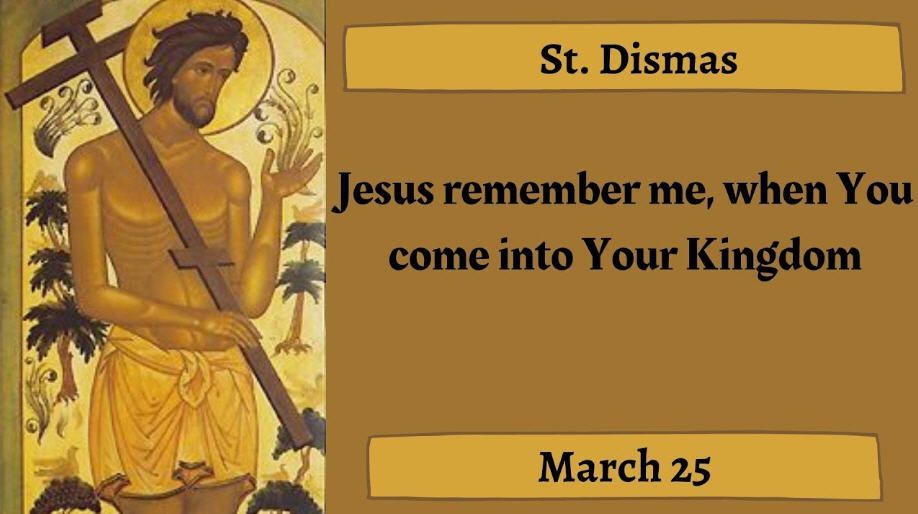
Quote:
“Lord, remember me when You come into Your kingdom.” — St. Dismas
Reflection:
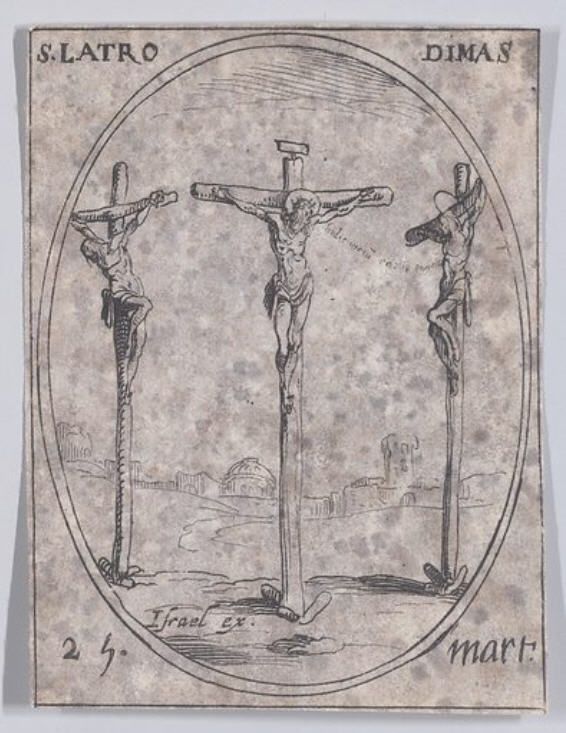
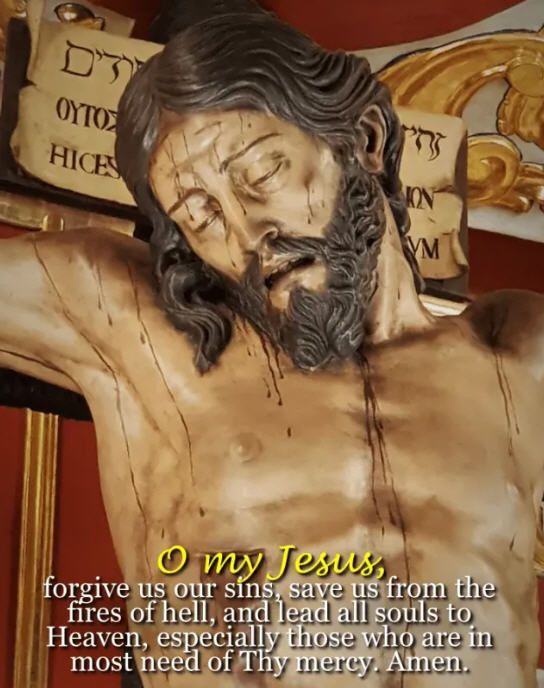
St. Dismas, known as the Good Thief, was crucified alongside Jesus at Calvary. Though he had spent much of his life in sin, in his final moments, he recognized Christ’s innocence and divinity. Turning to Jesus, he humbly asked, “Lord, remember me when You come into Your kingdom.” In response, Jesus assured him, “Today, you will be with Me in Paradise” (Luke 23:43).
St. Dismas’ story is a powerful testament to God’s boundless mercy and the grace of last-minute conversion. Though his past was marked by wrongdoing, his sincere repentance and faith in Jesus granted him eternal salvation. His example reminds us that no one is beyond redemption, and that God’s mercy is always available to those who seek it.
Practical Lessons
It’s Never Too Late to Turn to God: St. Dismas shows us that no matter our past mistakes, we can always return to God. If you’ve been distant from prayer, confession, or Mass, take the first step back today—God is waiting for you.
Ask for Forgiveness, Not Excuses: Instead of justifying his past, Dismas humbly acknowledged his sins. In everyday life, this means taking responsibility for our actions, sincerely apologizing when needed, and making efforts to repair harm.
Extend Mercy to Others: Just as Jesus showed mercy to Dismas, we are called to forgive those who have wronged us. Whether it’s an old grudge or a recent offense, make the choice to let go and move forward with grace.
Prayer
St. Dismas, you who humbly turned to Christ in your final hour and received His promise of mercy, pray for us sinners. Help us to seek God’s forgiveness with sincere hearts, to extend mercy to others, and to trust in the saving power of Christ. May we never despair but always turn to Him in faith, knowing that His love is greater than our sins. Amen.
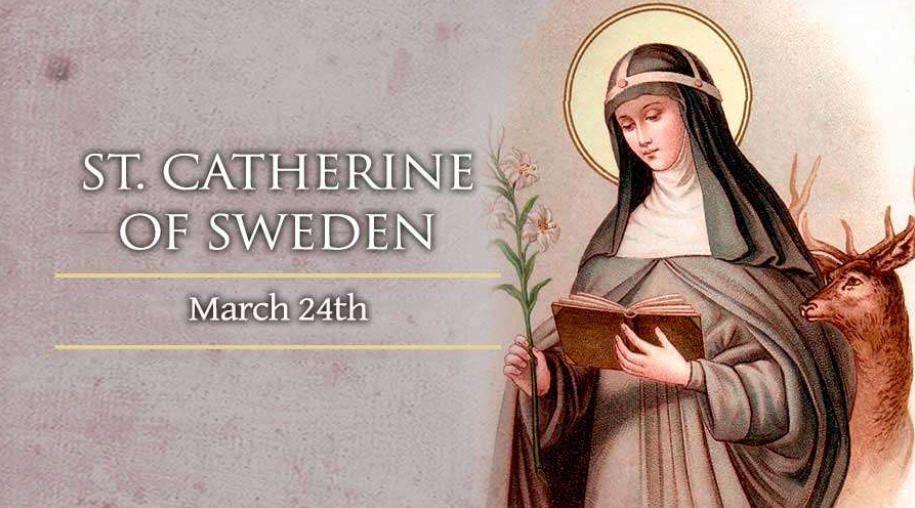
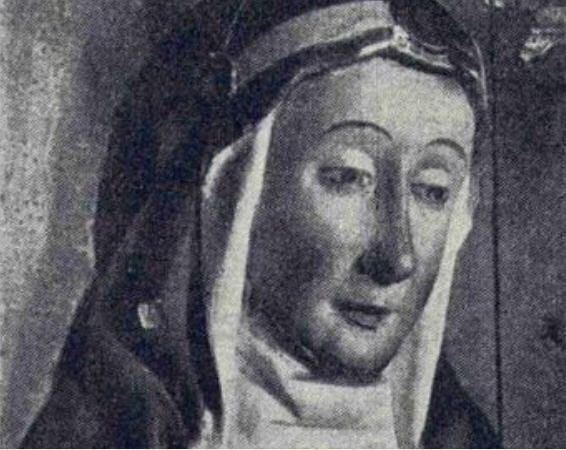
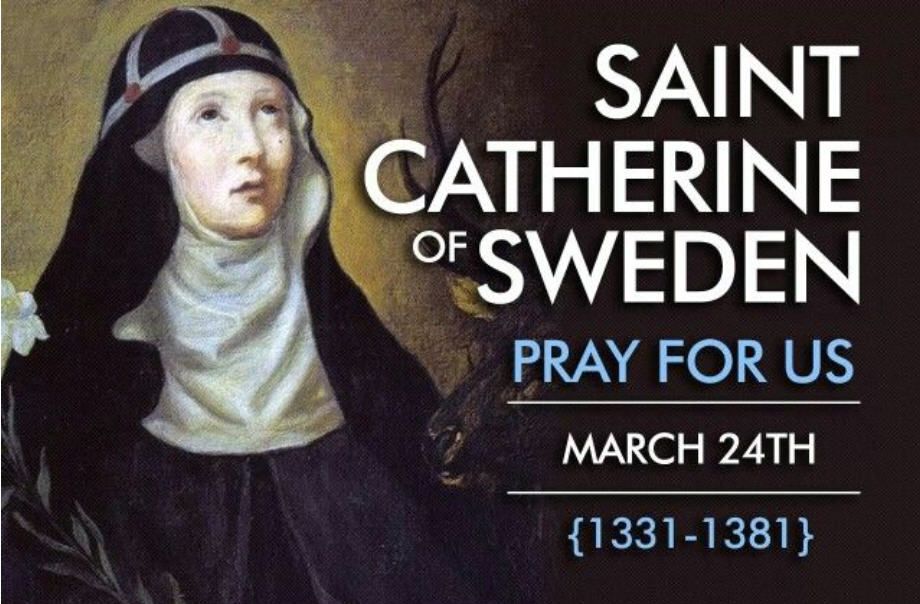
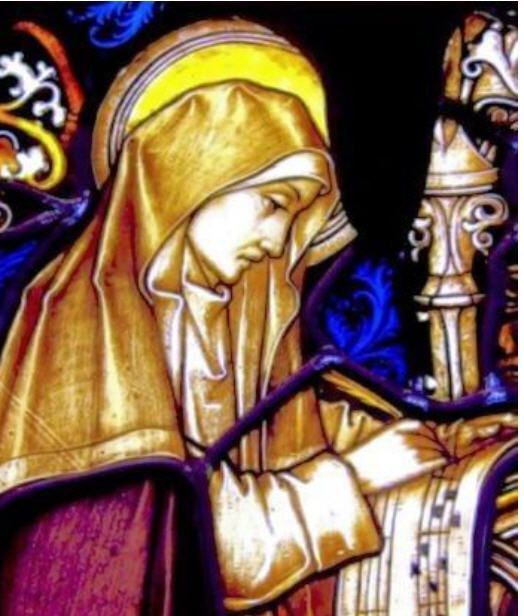
Saint Catherine of Sweden - March 24
Quote:
“Let us walk in love, for it is in love that Christ is found.” — St. Catherine of Sweden
Reflection:
St. Catherine of Sweden was born in 1331 as the daughter of St. Bridget of Sweden. Raised in a deeply religious household, she was educated in prayer, charity, and devotion to God.
Though she entered an arranged marriage, Catherine and her husband agreed to live chastely, dedicating their lives to serving the poor and sick. After her husband’s death, she joined her mother in Rome, assisting her in religious reform efforts and caring for pilgrims. Following St. Bridget’s passing, Catherine returned to Sweden and became the superior of the Bridgettine Order, ensuring her mother’s spiritual legacy continued.
She spent the rest of her life strengthening the order, advocating for holiness, and encouraging women in their vocations. St. Catherine died in 1381 and is venerated for her wisdom, purity, and dedication to serving others.
Practical Lessons
Respect Personal Vocations: Catherine honored her marriage while staying true to her call to holiness. Whether single, married, or religious, embrace your vocation with integrity by prioritizing God’s will in your daily responsibilities.
Support Family Spiritually: She traveled with and supported her mother in her mission. Encourage the spiritual growth of family members through shared prayer, faith discussions, or simple acts of love that nurture their faith.
Help Those in Transition: Catherine cared for the sick, widows, and pilgrims far from home. Assist others in times of change—whether a friend moving to a new city, a colleague starting a new job, or a family member grieving a loss—by offering practical help and a listening ear.
Prayer
St. Catherine of Sweden, faithful servant of Christ and model of purity and compassion, intercede for us. Help us to remain steadfast in our calling, to uplift our families in faith, and to extend kindness to those in need. May we follow your example of prayer and service, always seeking God’s will in our lives. Amen.
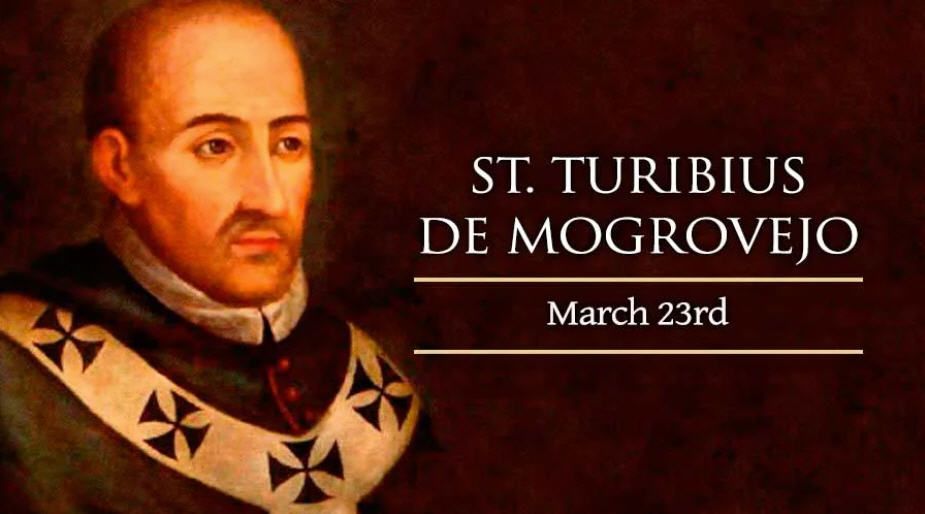
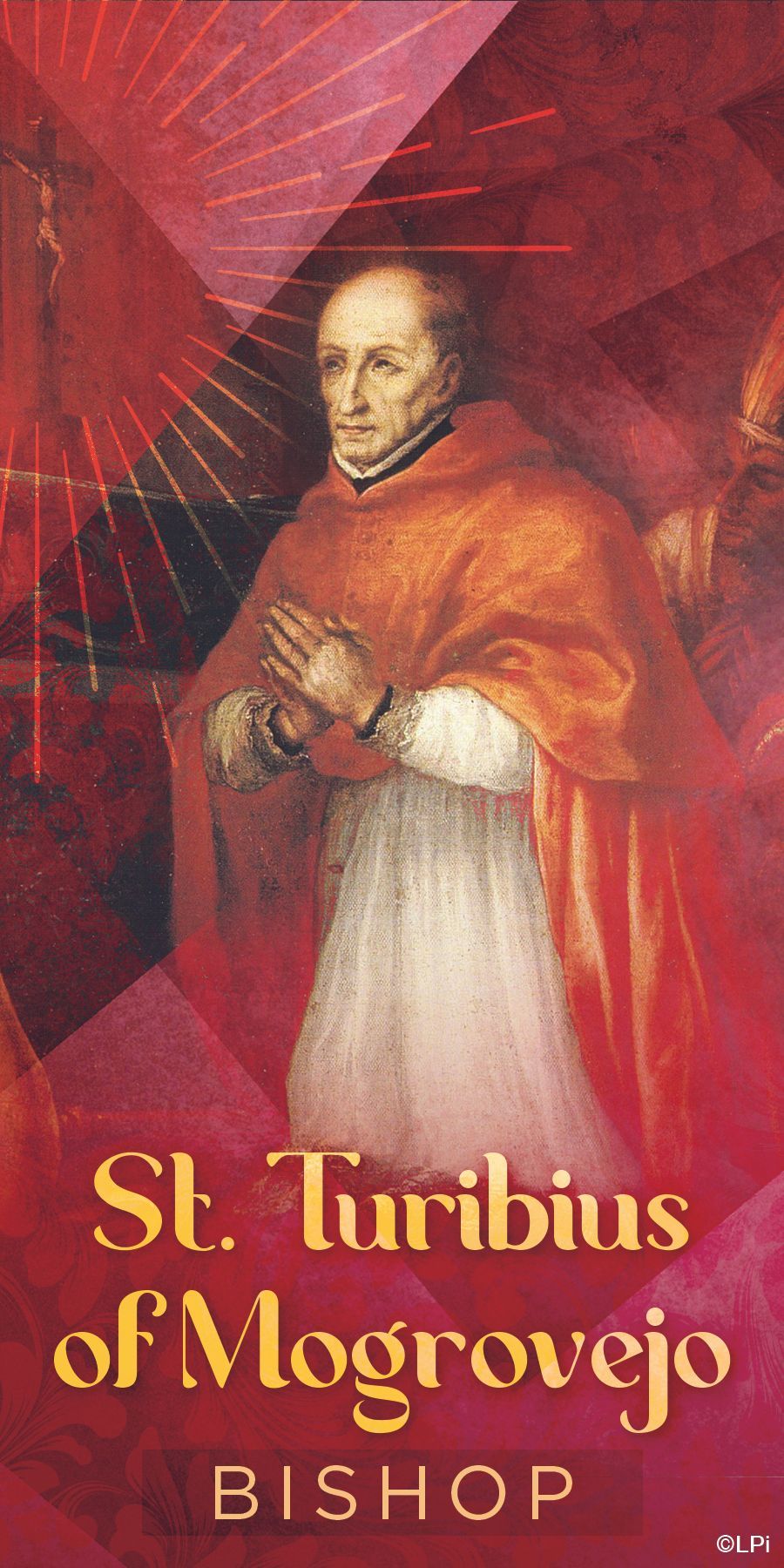
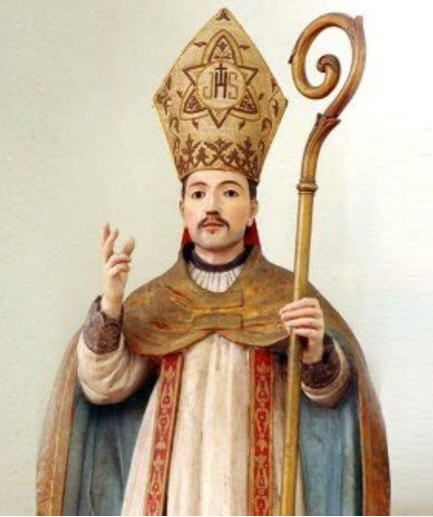
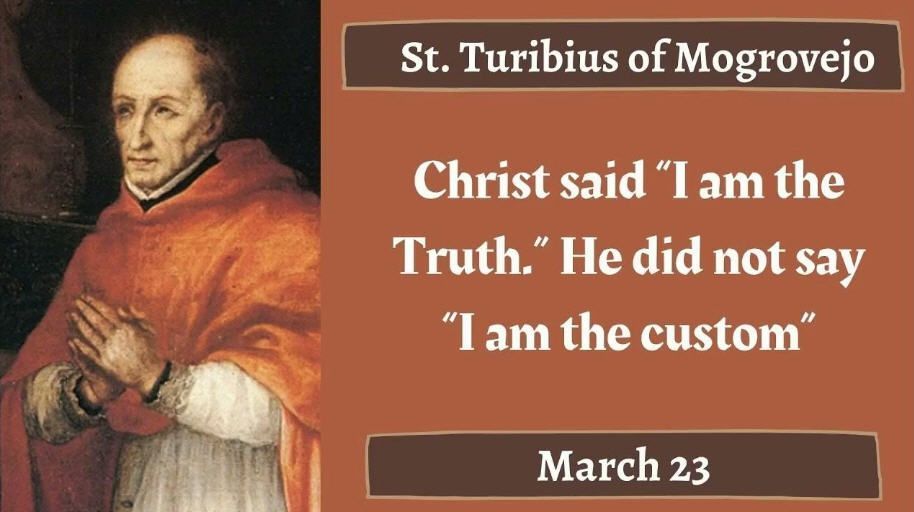
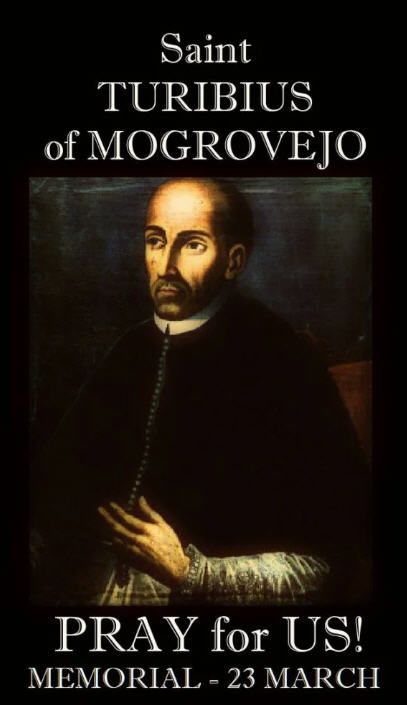
Saint Turibius De Mogrovejo - March 23
Quote:
Nothing gave the saint so much pleasure as the greatest labors and dangers, to procure the least spiritual advantage to one soul. Burning with the most vehement desire of laying down his life for his flock, and of suffering all things for him who died for us, he feared no danger. ~Butler’s Lives of the Saints
Reflection:
On November 16, 1532, a small group of Spanish conquerors captured the Inca ruler Atahualpa in modern-day Peru. The Spaniards arrived in the New World as explorers but were mostly interested in enriching themselves with silver and gold, of which the Incas had plenty. After receiving a room of gold and two rooms of silver as a ransom for Atahualpa, the Spaniards killed him anyway. Then they continued to conquer others, until 1572, when the last of the indigenous rulers was defeated. Despite their Christian heritage, the Spaniards could be brutal; however, their presence enabled missionaries to arrive and begin the work of sharing the Gospel with the native people. In 1541, Pope Paul III established the Diocese of Lima and appointed its first bishop who served for thirty-six years. Today’s saint, Saint Turibius of Mogrovejo, was born three years before the Diocese of Lima was established (It became an archdiocese in 1546.) and would become Lima’s third archbishop.
Toribio Alfonso de Mogrovejo (Turibius) was born of noble parents in the town of Mayorga, northwest Spain. He was named after a local fifth-century bishop and saint. Turibius was a devout child. He had a strong devotion to the Blessed Virgin Mary, prayed to her daily, and fasted every Saturday in her honor. He had a heart for the poor and was generous in caring for them. When Turibius was twelve, he was sent to study humanities in Valladolid and was later sent to the University of Salamanca to study law. Turibius’ brilliance quickly became known and caught the attention of King Phillip II, who appointed him as the Grand Inquisitor in Granada in 1571. He was only thirty-three and held that post for five years.
During these first thirty-eight years of Turibius’ life, the Spanish conquerors of the newly colonized lands of Peru were in dire need of moral reformation. Many of the generals acted as tyrants and plunderers, oppressing the indigenous peoples with cruelty. They took their lands, forced them into slave labor, and treated them as if they were subhuman. In 1537, shortly after the conquest of Peru, Pope Paul III issued the papal bull Sublimis Deus. In it, he lamented that some of the conquerors believed that the indigenous of the West and the South should be “treated as dumb brutes created for our service, pretending that they are incapable of receiving the Catholic Faith.” The pope corrected this error stating “that the Indians are truly men and that they are not only capable of understanding the Catholic Faith…they desire exceedingly to receive it.” The King of Spain agreed and issued edicts of reformation, but the laws were resisted and enforcement was nearly impossible. These troubles continued for decades.
After the death of the first archbishop of Lima in 1575, another Spanish bishop was sent to Lima, but remained there for only two years. Aware of the moral chaos, King Phillip II knew he needed to send his best bishop to Lima. He needed a saint who knew the law, could bring reform where needed, preach the Gospel with zeal, and establish communion between the settlers and natives. At that time, it was the responsibility of the King of Spain to appoint bishops whom the pope would subsequently approve or reject. King Phillip chose Turibius for the task. There was only one problem: Turibius was not even a priest; he was a layman. Turibius objected to the idea but the king insisted, and the pope approved. Turibius pleaded with the king, pointing out that only a priest could be made a bishop, and arguing that the task was beyond his ability. But his humility was only a clearer sign that he was the man for the job. Turibius finally agreed. Over the next two years, Turibius prepared for the priesthood, was ordained, served as a priest, and then was ordained a bishop. In September of 1580, at the age of forty-three, Archbishop Turibius set sail for Peru with his sister and brother-in-law, arriving several months later. He was installed in Lima on May 24, 1581, and served as the third archbishop of Lima for twenty-five years.
The archdiocese stretched about 400 miles along the coast and included three main cities, many towns and villages, and many more rural homes scattered throughout. The people he now shepherded included Spanish settlers, soldiers, and, of course, the indigenous population. Archbishop Turibius wasted no time. Within a month of his arrival he held an archdiocesan synod and a year later oversaw the Third Provincial Council of Lima, on the instruction of King Philip II. This council lasted for more than a year and addressed various abuses among the clergy and laity, promoted the evangelization of the natives, taught that the Spaniards and indigenous were equal in dignity, and commissioned the first book printed in South America, Doctrina Christiana, y Catecismo para Instrucción de los Indios, a trilingual catechism written in Spanish, Quechua, and Aymara. Other trilingual works were also commissioned to assist the clergy with confession and preaching in the native tongues. Not only did every diocese of his province implement the acts of that council, but after the acts were confirmed by the Holy See in 1588, they were implemented throughout all of South America. In 1590, Archbishop Turibius founded the first seminary in South America and in 1591 and 1601, he held two more provincial councils, as well as numerous synods within his own archdiocese.
In addition to his administrative efforts, Turibius spent seventeen of his twenty-five years as archbishop traveling on foot to every parish and community on three separate occasions. He traveled through difficult terrain, snow-covered mountains, rain, heat, and cold. He went to confession and offered Mass every day, learned the native languages, got to know his people, and made sure that every parish was in order and adhered to Church discipline. He built many churches, baptized and confirmed half a million people, had a passionate zeal for every individual soul, and made sure that both Spaniard and indigenous were equally cared for. From his flock would emerge three saints whom he confirmed: Saint Rose of Lima, Saint Martin de Porres, and Saint Juan Masías. He also became good friends with the great Franciscan missionary Saint Francis Solano, who was said to have had the gift of tongues, by which the indigenous understood him in their native tongue.
Every crisis needs a savior. Jesus is that Savior, but His servants on earth act as His divine instruments. Saint Turibius was that instrument for the early Church of Peru and throughout South America. His humility, zeal for souls, fidelity to the law, gifts of administration, concern for human dignity, and a fatherly heart enabled God to plant the seed of faith in the hearts of many, the fruit still being borne today. Be inspired by this holy shepherd and imitate his example by committing yourself to see the dignity of every person in ways that are creative, empathetic, intuitive, and firm, so that God can use youto reach them where they are.
Prayer:
Saint Turibius, you were a true shepherd whose primary concern was the salvation of every soul. You devoted yourself wholeheartedly to that mission. Please pray for me, that I may imitate you and become a better instrument of the Gospel, reaching people in ways that will more fully open their hearts to Christ. Saint Turibius, pray for me. Jesus, I trust in You.
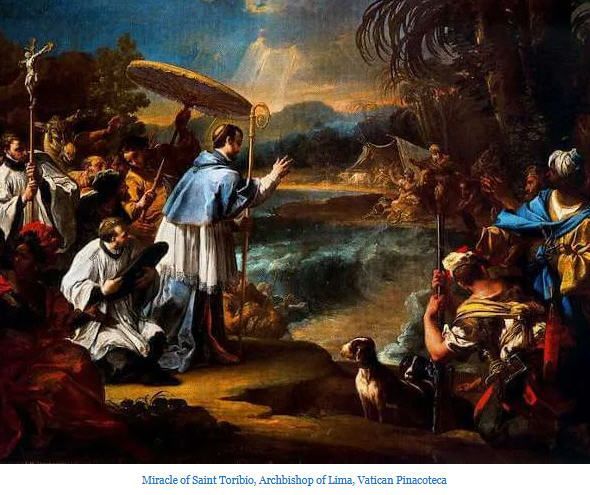
Saint Enda - March 21
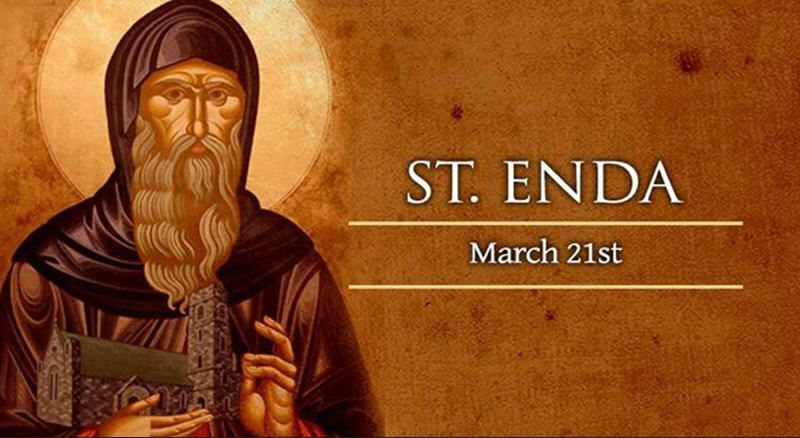
Quote:
“A simple heart, devoted to God, is richer than all the wealth of kings.” — St. Enda
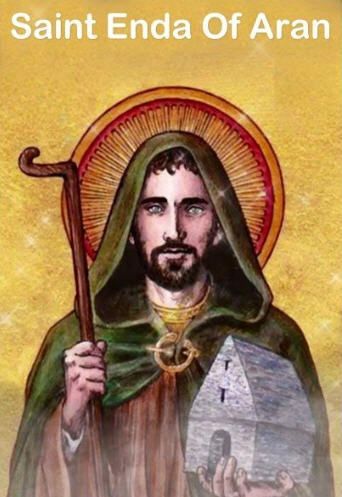
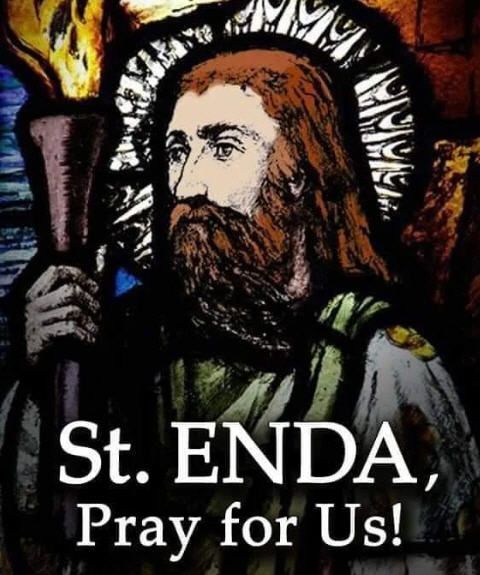
Reflection: St. Enda was born in the 5th century in Ireland, the son of a warrior king. Initially trained as a soldier, he experienced a deep conversion and renounced violence, dedicating himself to a life of prayer and service. After spending time in monastic communities, he founded one of Ireland’s first major monastic settlements on the Aran Islands, transforming the rugged landscape into a center of spiritual discipline and learning. His monastery became known for its strict rule, focusing on simplicity, hard work, and devotion to God. St. Enda’s legacy influenced Irish monasticism for centuries, helping to shape Ireland’s reputation as the “Land of Saints and Scholars.”
Practical Lessons
Embrace Simplicity: St. Enda’s monks lived with only what they needed. In modern life, decluttering and focusing on essentials—whether in our schedules, homes, or priorities—can bring clarity and peace.
Use Nature for Prayer and Reflection: The Aran Islands provided a quiet space for spiritual growth. Whether it’s a walk in the park, tending a garden, or simply stepping outside, use nature as a way to disconnect from distractions and connect with God.
Balance Work and Prayer: Enda’s monks combined hard labor with deep prayer. In daily life, this reminds us to integrate our faith into everything we do—whether at work, school, or home—offering our tasks to God.
Prayer
St. Enda, faithful servant of Christ and founder of holy communities, pray for us as we seek to follow your example of simplicity, devotion, and balance. Help us to create space in our lives for prayer and reflection, and to use our daily work as a way to glorify God. May we always strive for holiness in both the quiet moments and the busy tasks of life. Amen.
Saint Wulfram - March 20
Quote:
“Let nothing stand between you and the work of Christ, for He alone is our true security.” — St. Wulfram
Reflection: St. Wulfram was born in the late 7th century in France and became a priest despite originally being drawn to a life at court. Known for his deep faith and strong leadership, he was appointed Archbishop of Sens but soon felt called to missionary work. He traveled to Friesland (modern-day Netherlands), where he preached the Gospel to the pagan people, converted many to Christianity, and worked to end the brutal practice of human sacrifice. His humility and perseverance led to the baptism of numerous converts, including high-ranking nobles. After years of missionary service, he retired to the Abbey of Fontenelle, where he lived in prayer and devotion until his death around 703 AD. His legacy remains one of bold evangelization and unwavering trust in God.
Practical Lessons
Speak the Truth with Courage: St. Wulfram did not shy away from preaching the Gospel in hostile environments. In modern life, this means standing firm in your values at work, school, or online—even when it’s unpopular.
Help Others Break Harmful Habits: Just as he worked to stop human sacrifice, we can help friends and family break destructive patterns by offering support, encouragement, and prayer, rather than judgment.
Trust God When Facing the Unknown: Wulfram left behind a secure position for an uncertain mission field. If you’re starting a new job, moving, or facing a major change, trust that God is guiding you, even when the path is unclear.
Prayer
St. Wulfram, fearless preacher of the Gospel, pray for us as we seek to live out our faith with courage and conviction. Help us to stand firm in truth, be a source of strength for those in need, and trust in God’s providence when faced with uncertainty. May your example inspire us to serve Christ boldly in all areas of our lives. Amen.
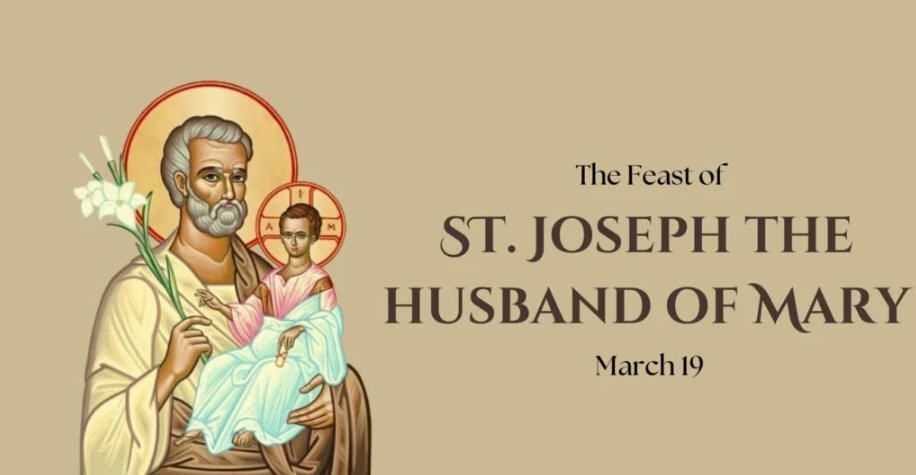
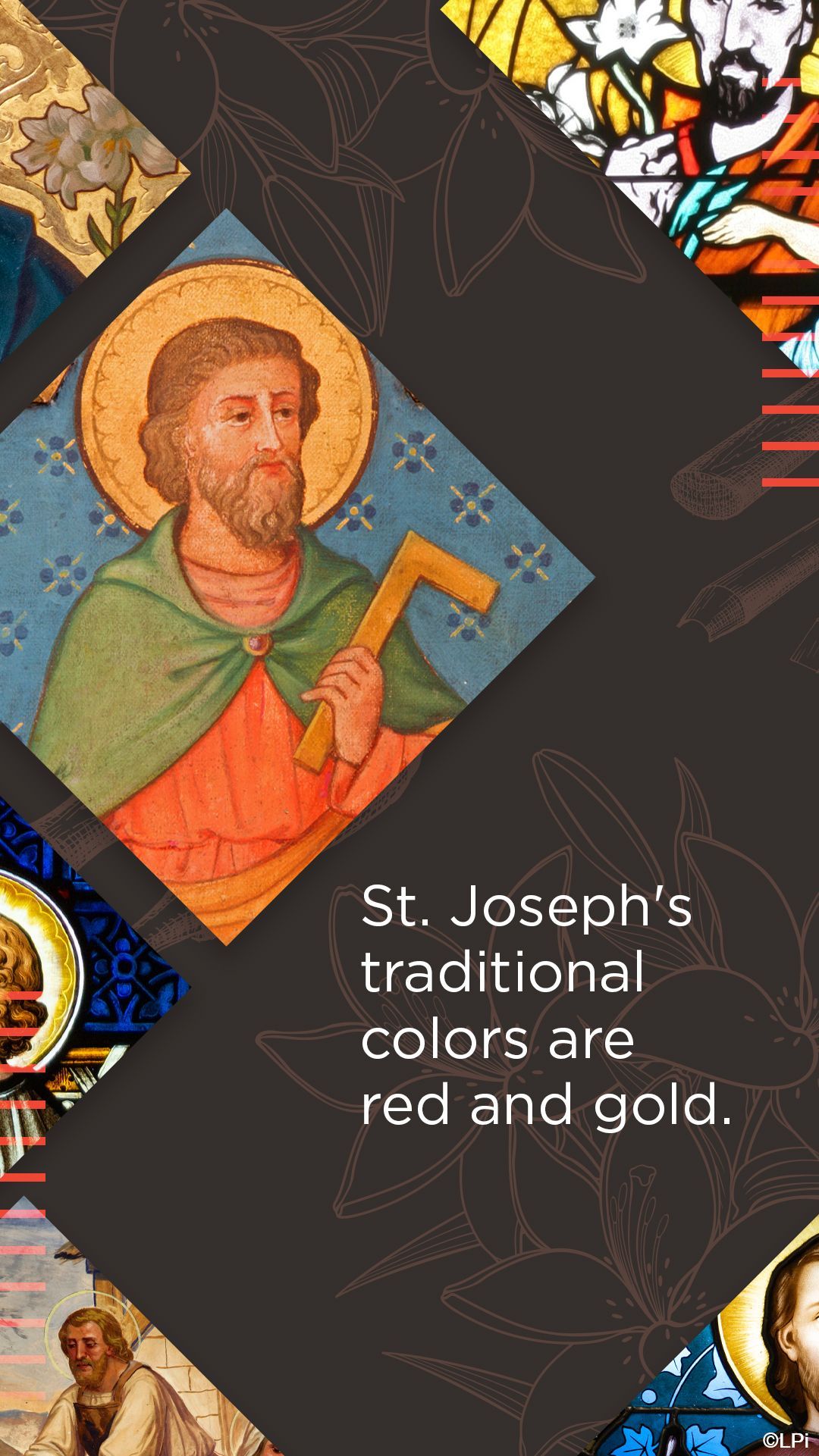
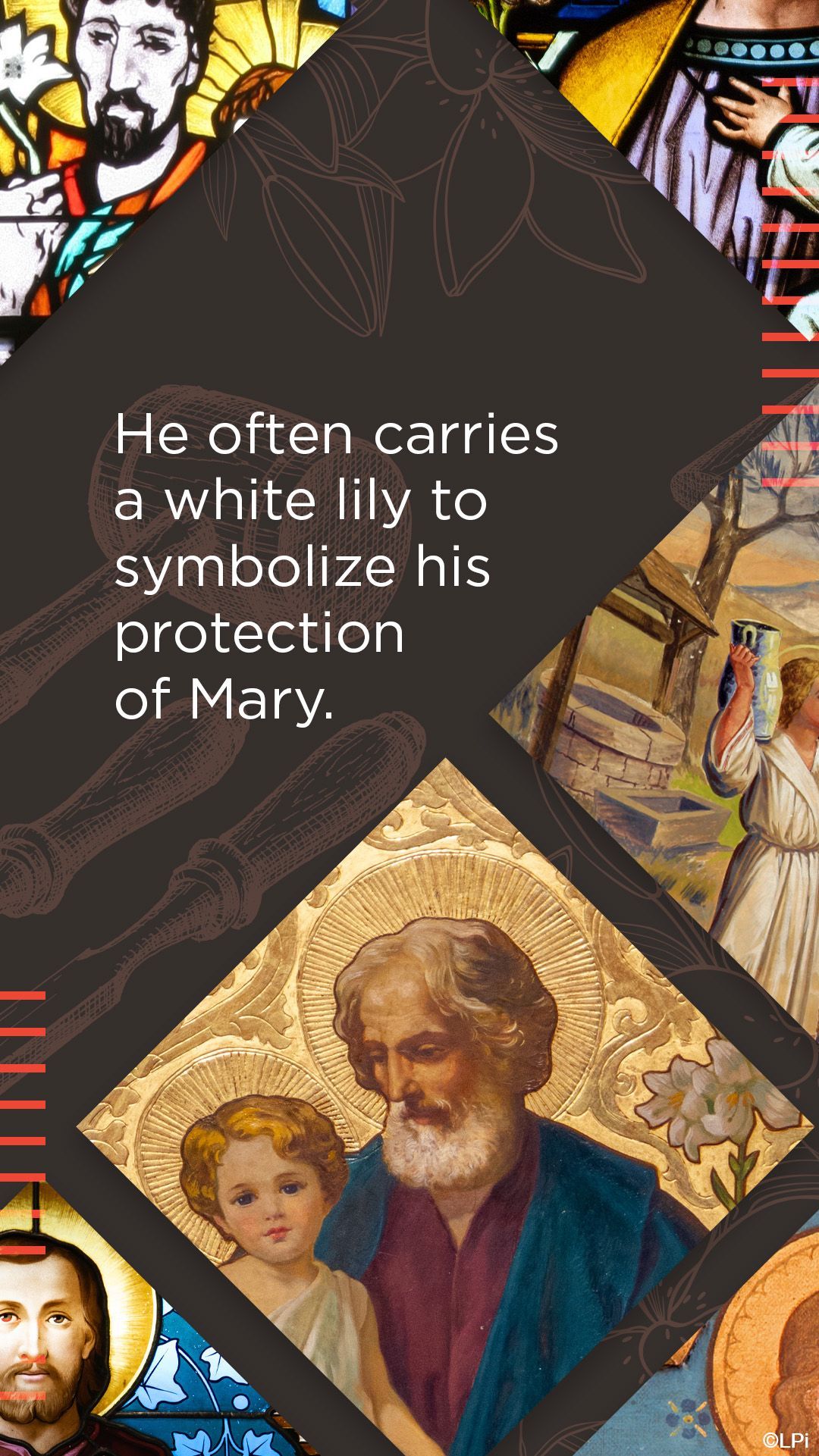
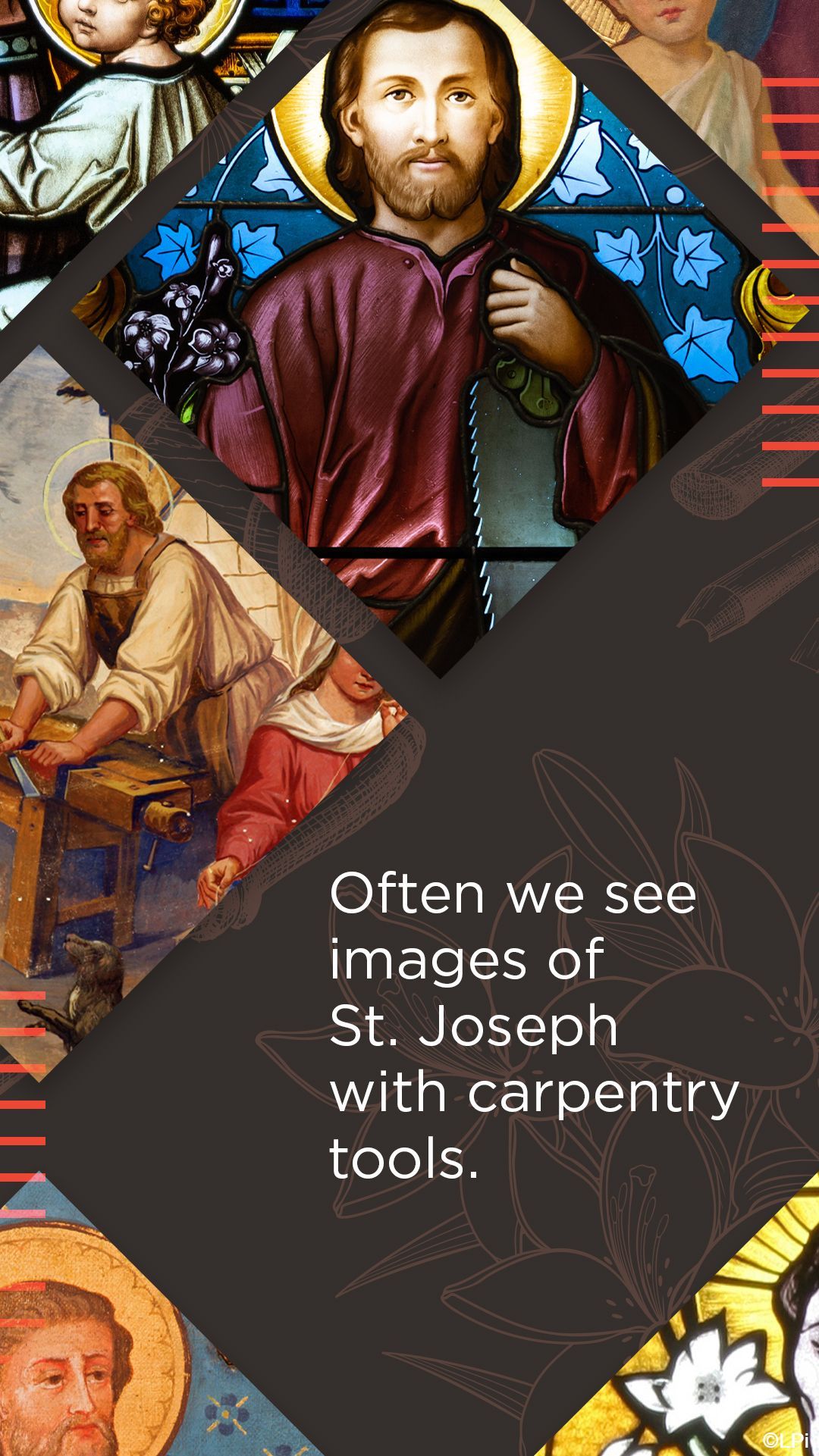
Quote:
When Joseph awoke, he did as the angel of the Lord had commanded him and took his wife into his home. He had no relations with her until she bore a son, and he named him Jesus.
Reflection: The Father in Heaven sent His Son into the world to be born of the Virgin Mary. The Father chose her who was the Immaculate Conception to bear His Son in her womb, bring Him into the world, and raise Him from infancy to adulthood. But the Father also needed to choose a foster father for His divine Son. Of all the men in Israel that He could have chosen, He chose Joseph of Nazareth, a carpenter. Today’s solemnity not only honors him, but it also points us to his marital union with the Blessed Virgin Mary and to the effect that that marriage had not only upon him, Mary and Jesus, but also upon us as members of the Body of Christ.
Joseph was likely born in the small town of Bethlehem, where Jesus was also born, but he moved to Nazareth with Mary and Jesus after returning from Egypt in order to keep Jesus safe from Archelaus, the ruler of Judea. Though there are a number of apocryphal writings about him from the first several centuries, nothing is known about him for certain except what is contained in the Gospels. But the Gospels tell us all we need to know about this holy, obedient, and just man, who was given authority over the Son of God and continues to exercise a holy authority over the entire Church.
Saint Joseph was truly the father of Jesus. Of this truth, Saint Augustine writes, “By reason of their faithful marriage, both of them deserve to be called Christ’s parents, not only his mother but also his father, who was a parent in the same way that he was the mother’s spouse: in mind, not in the flesh.” Joseph’s fatherhood is also clearly established by the fact that the angel gave him the responsibility of naming Jesus. “She will bear a son and you are to name him Jesus…
Saint Joseph was obedient to the Father in Heaven, and that obedience deepened his union with Mary his spouse, making their marriage the ideal family for the Son of God. Pope Saint John Paul II speaks of this fact in his apostolic exhortation Guardian of the Redeemer, when he says, “One can say that what Joseph did united him in an altogether special way to the faith of Mary. He accepted as truth, coming from God, the very thing that she had already accepted at the Annunciation” (#4). Saint Joseph’s obedience is clearly seen in his response to four dreams by which an angel instructs Joseph how best to guard and protect the Son of God. Joseph acts immediately, in obedience, to the angel’s instructions. The Vatican II document, Dei Verbum states, “‘The obedience of faith’ must be given to God as he reveals himself. By this obedience of faith man freely commits himself entirely to God, making ‘the full submission of his intellect and will to God who reveals,’ and willingly assenting to the revelation given by him” (#5). Thus, since Saint Joseph’s obedience was absolute, then that obedience fully united him to the Blessed Virgin Mary, in her obedience, and to the Father in Heaven. His obedience to the Father also enables him to become a powerful instrument of the Father’s authority on earth, exercised through him.
Saint Joseph exercised the authority of the Father by protecting the Son of God and expecting obedience from the Son as His earthly father. That Jesus was obedient to Joseph is made clear in the Gospels: “He went down with them and came to Nazareth, and was obedient to them… The Son of God could only be obedient to the will of His Father. Therefore, in order for Joseph to exercise authority over Jesus, he had to enact nothing other than the will of the Father to which he, himself, was obedient.
On December 8, 1847, Pope Pius IX declared Saint Joseph to be the Universal Patron and Protector of the Catholic Church. This unique title reflects the same truth that Mary is the Mother of God and the Mother of the entire Church. Since she was the mother of the Son of God, and we, the Church, are members of the Body of Christ, then she is our Mother. And since Joseph was the father of the Son of God, His guardian and protector, over whom he was given authority, and from Whom he received obedience, then we, too, can trust in Joseph’s guardianship over us. We must have confidence in submitting to his spiritual authority in our lives, for we are members of the Body of Christ.
As we honor Saint Joseph as the husband of Mary today, ponder the effect of that unique marriage bond. Saint Joseph was not perfect, but his absolute obedience to the Father’s will and his unity in marriage to the Mother of God makes him our father, just as he was the father of Jesus. As a loving father, he will direct us with the authority of God the Father, will protect us in times of trouble as he did for Jesus and Mary, and must always be seen as one uniquely chosen to be the father of the family to which we belong.
Prayer:
Saint Joseph, you were obedient to the will of the Father in Heaven as it was revealed to you by an angel. You took Mary as your wife and Jesus as your Son. You raised Him, protected Him, and exercised a fatherly authority over Him. Please exercise that same fatherly authority, given to you by the Father in Heaven, over my life. I entrust myself to your intercession and authority and pray that you protect me always, guiding me to your Son in Heaven. Saint Joseph, pray for me. Jesus, I trust in You.
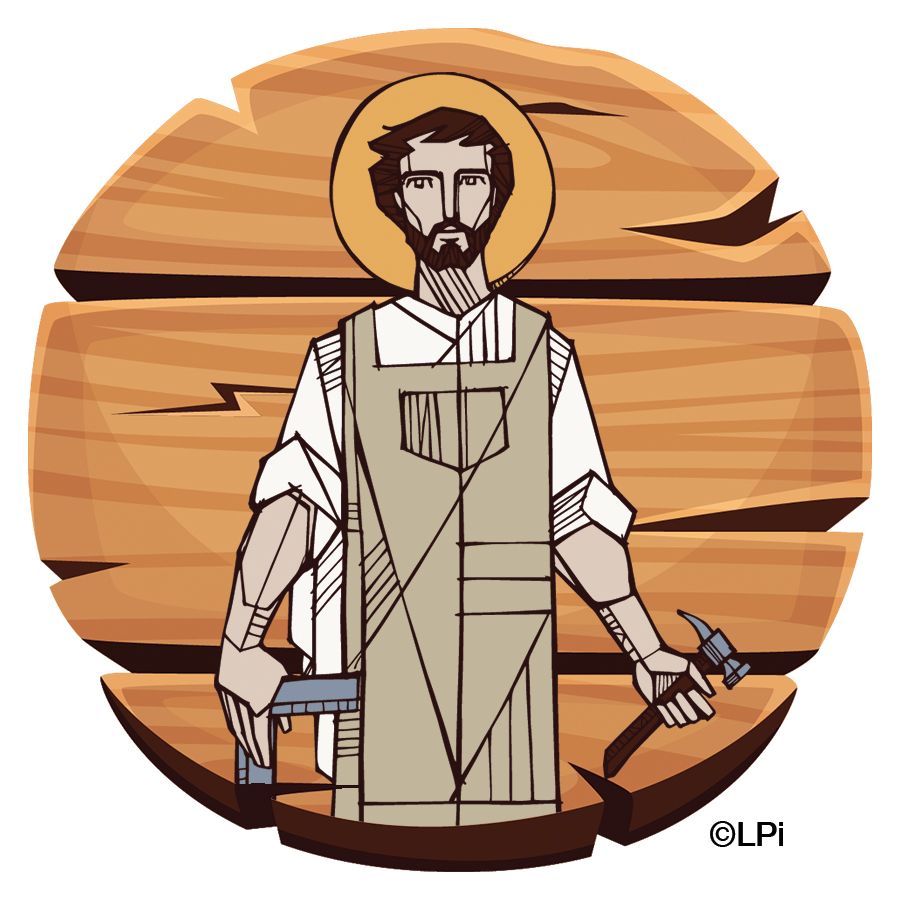
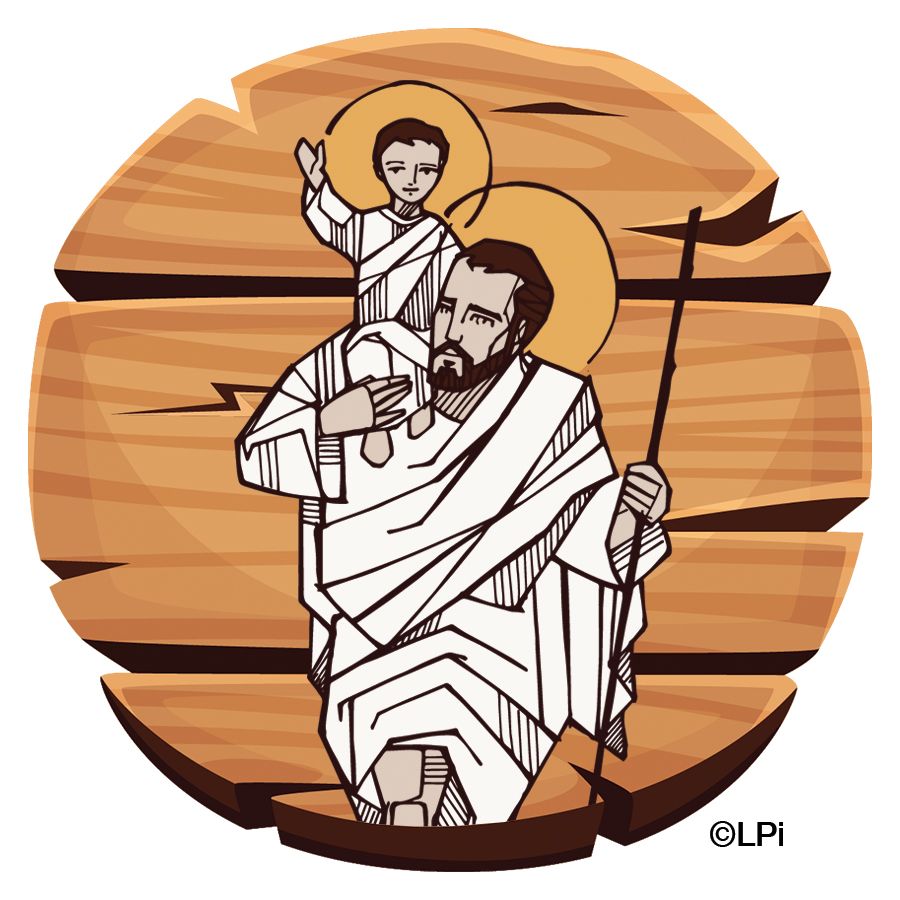
Saint Joseph The Husband of Mary - March 19
Quote:
When Joseph awoke, he did as the angel of the Lord had commanded him and took his wife into his home. He had no relations with her until she bore a son, and he named him Jesus.
Reflection: The Father in Heaven sent His Son into the world to be born of the Virgin Mary. The Father chose her who was the Immaculate Conception to bear His Son in her womb, bring Him into the world, and raise Him from infancy to adulthood. But the Father also needed to choose a foster father for His divine Son. Of all the men in Israel that He could have chosen, He chose Joseph of Nazareth, a carpenter. Today’s solemnity not only honors him, but it also points us to his marital union with the Blessed Virgin Mary and to the effect that that marriage had not only upon him, Mary and Jesus, but also upon us as members of the Body of Christ.
Joseph was likely born in the small town of Bethlehem, where Jesus was also born, but he moved to Nazareth with Mary and Jesus after returning from Egypt in order to keep Jesus safe from Archelaus, the ruler of Judea. Though there are a number of apocryphal writings about him from the first several centuries, nothing is known about him for certain except what is contained in the Gospels. But the Gospels tell us all we need to know about this holy, obedient, and just man, who was given authority over the Son of God and continues to exercise a holy authority over the entire Church.
Saint Joseph was truly the father of Jesus. Of this truth, Saint Augustine writes, “By reason of their faithful marriage, both of them deserve to be called Christ’s parents, not only his mother but also his father, who was a parent in the same way that he was the mother’s spouse: in mind, not in the flesh.” Joseph’s fatherhood is also clearly established by the fact that the angel gave him the responsibility of naming Jesus. “She will bear a son and you are to name him Jesus…
Saint Joseph was obedient to the Father in Heaven, and that obedience deepened his union with Mary his spouse, making their marriage the ideal family for the Son of God. Pope Saint John Paul II speaks of this fact in his apostolic exhortation Guardian of the Redeemer, when he says, “One can say that what Joseph did united him in an altogether special way to the faith of Mary. He accepted as truth, coming from God, the very thing that she had already accepted at the Annunciation” (#4). Saint Joseph’s obedience is clearly seen in his response to four dreams by which an angel instructs Joseph how best to guard and protect the Son of God. Joseph acts immediately, in obedience, to the angel’s instructions. The Vatican II document, Dei Verbum states, “‘The obedience of faith’ must be given to God as he reveals himself. By this obedience of faith man freely commits himself entirely to God, making ‘the full submission of his intellect and will to God who reveals,’ and willingly assenting to the revelation given by him” (#5). Thus, since Saint Joseph’s obedience was absolute, then that obedience fully united him to the Blessed Virgin Mary, in her obedience, and to the Father in Heaven. His obedience to the Father also enables him to become a powerful instrument of the Father’s authority on earth, exercised through him.
Saint Joseph exercised the authority of the Father by protecting the Son of God and expecting obedience from the Son as His earthly father. That Jesus was obedient to Joseph is made clear in the Gospels: “He went down with them and came to Nazareth, and was obedient to them… The Son of God could only be obedient to the will of His Father. Therefore, in order for Joseph to exercise authority over Jesus, he had to enact nothing other than the will of the Father to which he, himself, was obedient.
On December 8, 1847, Pope Pius IX declared Saint Joseph to be the Universal Patron and Protector of the Catholic Church. This unique title reflects the same truth that Mary is the Mother of God and the Mother of the entire Church. Since she was the mother of the Son of God, and we, the Church, are members of the Body of Christ, then she is our Mother. And since Joseph was the father of the Son of God, His guardian and protector, over whom he was given authority, and from Whom he received obedience, then we, too, can trust in Joseph’s guardianship over us. We must have confidence in submitting to his spiritual authority in our lives, for we are members of the Body of Christ.
As we honor Saint Joseph as the husband of Mary today, ponder the effect of that unique marriage bond. Saint Joseph was not perfect, but his absolute obedience to the Father’s will and his unity in marriage to the Mother of God makes him our father, just as he was the father of Jesus. As a loving father, he will direct us with the authority of God the Father, will protect us in times of trouble as he did for Jesus and Mary, and must always be seen as one uniquely chosen to be the father of the family to which we belong.
Prayer:
Saint Joseph, you were obedient to the will of the Father in Heaven as it was revealed to you by an angel. You took Mary as your wife and Jesus as your Son. You raised Him, protected Him, and exercised a fatherly authority over Him. Please exercise that same fatherly authority, given to you by the Father in Heaven, over my life. I entrust myself to your intercession and authority and pray that you protect me always, guiding me to your Son in Heaven. Saint Joseph, pray for me. Jesus, I trust in You.
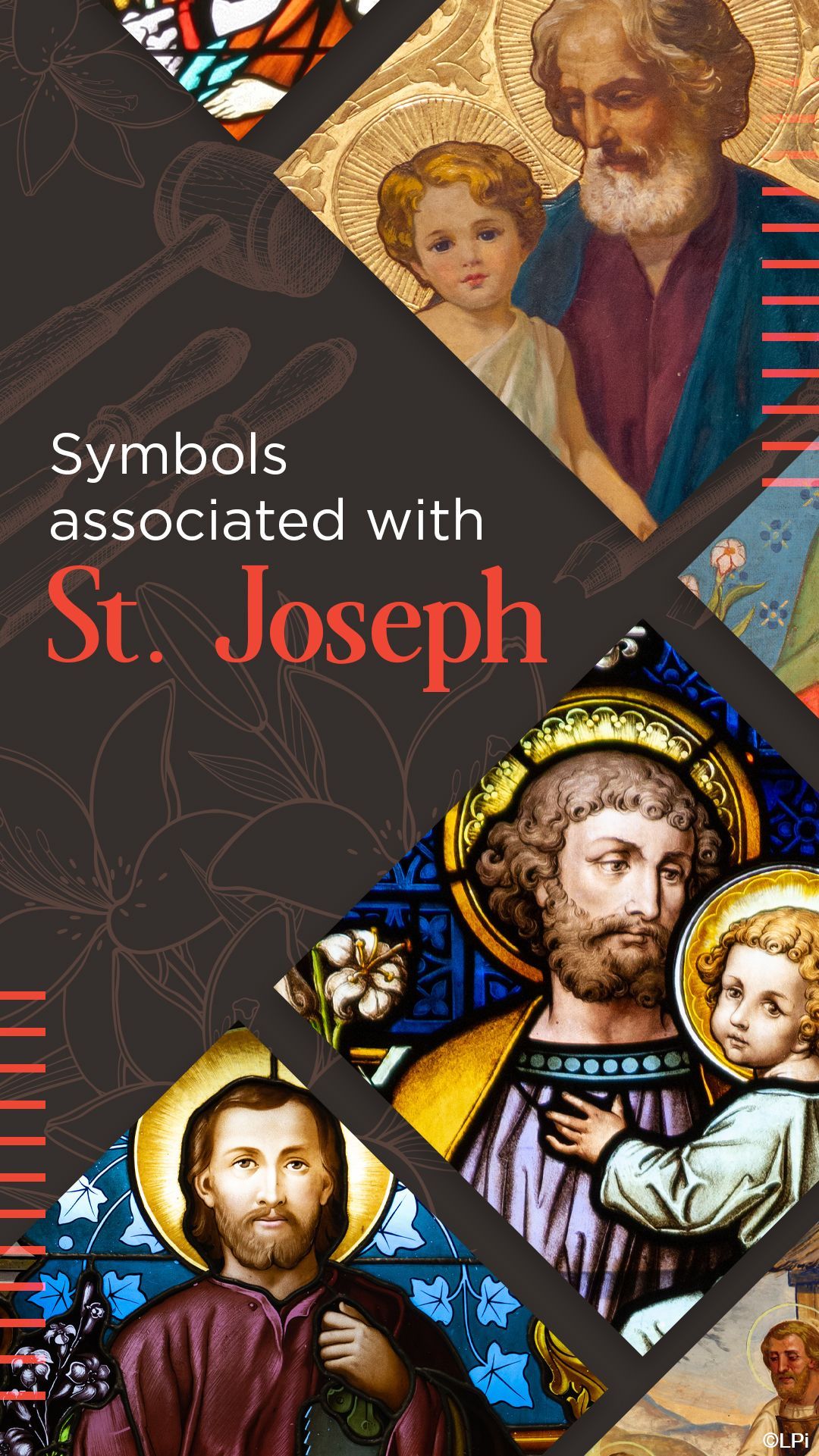
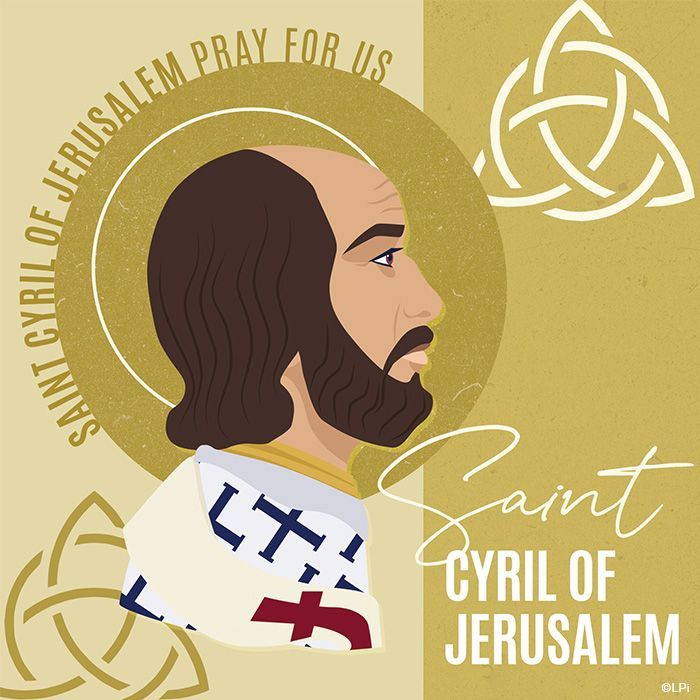
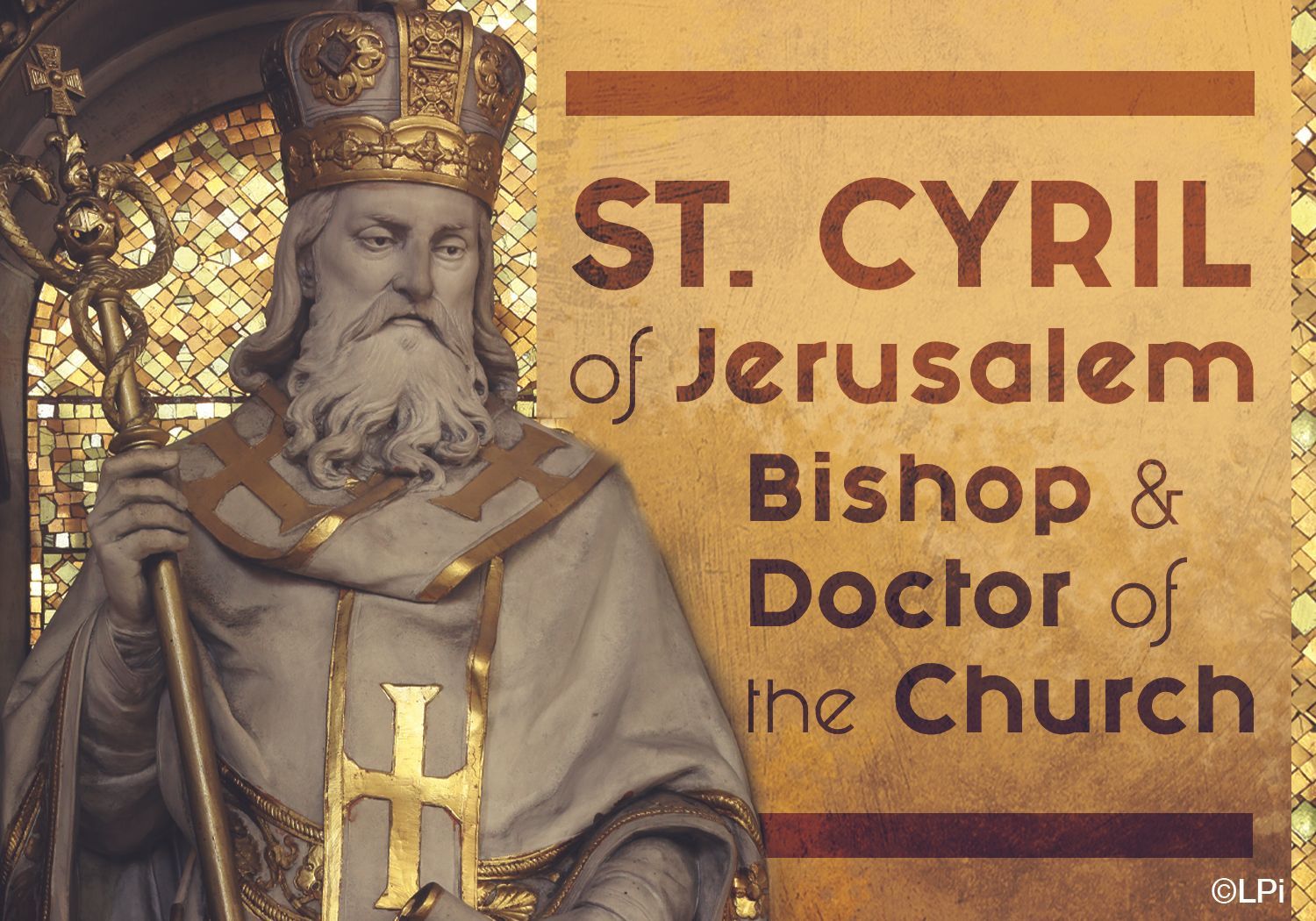
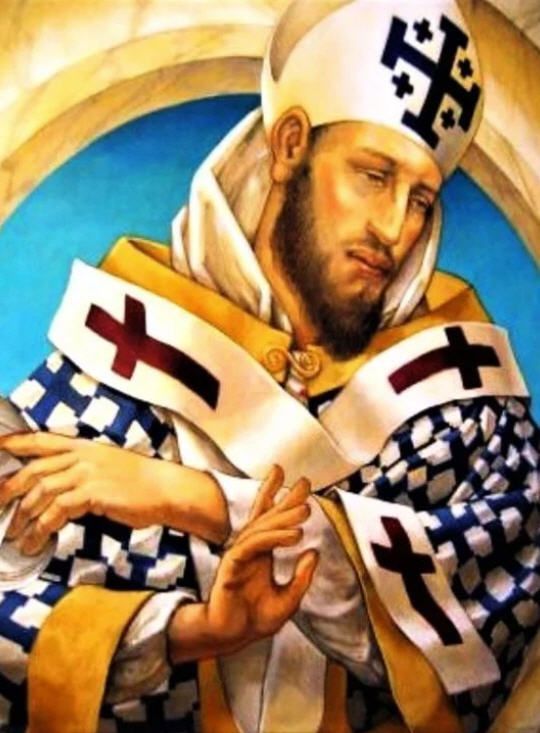
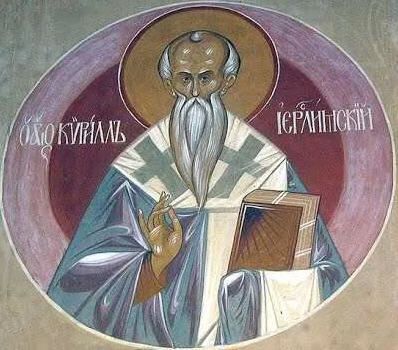
Saint Cyril of Jerusalem - March 18
Quote:
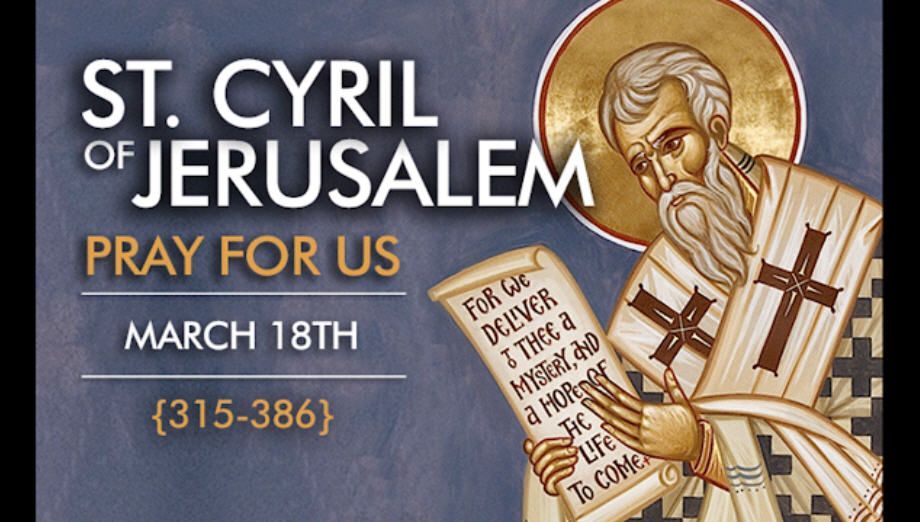
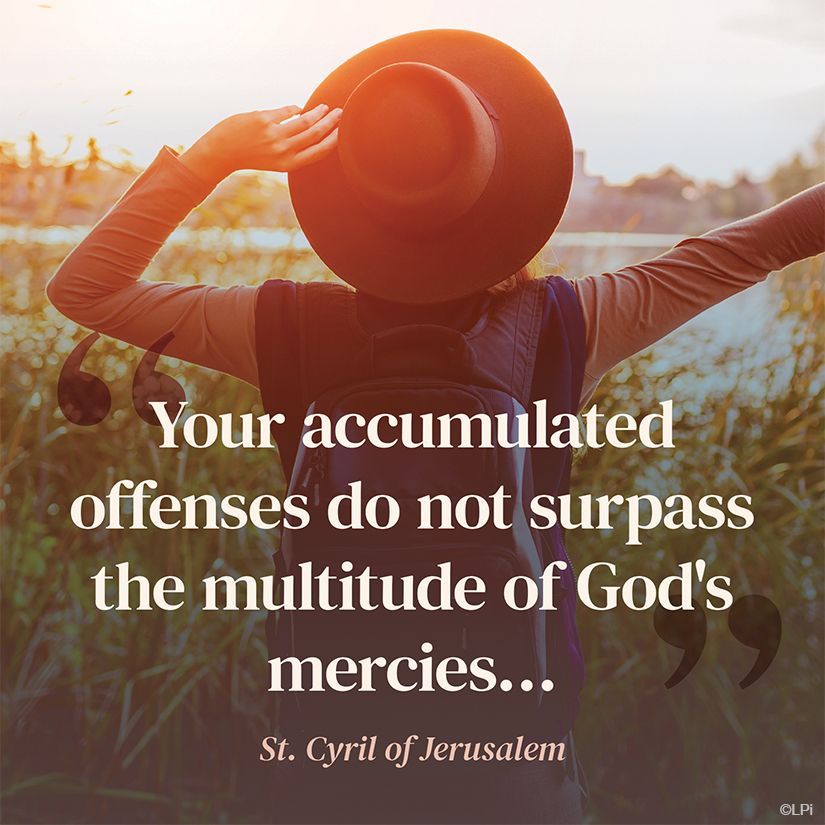
God is loving to man, and loving in no small measure. For say not, I have committed fornication and adultery: I have done dreadful things, and not once only, but often: will He forgive? Will He grant pardon? Hear what the Psalmist says: “How great is the multitude of Your goodness, O Lord!” Your accumulated offenses surpass not the multitude of God’s mercies: your wounds surpass not the great Physician’s skill. Only give yourself up in faith: tell the Physician your ailment: say thou also, like David: “I said, I will confess me my sin unto the Lord:” and the same shall be done in your case, which he says immediately: “And you forgave the wickedness of my heart.” ~Saint Cyril, Catechetical Lecture 2
Reflection: When Constantine the Great legalized Christianity throughout the Roman Empire in the year 313, many were hopeful that the sufferings Christians had endured during the first few centuries of the Church had finally come to an end. But the sufferings only changed. Politics entered the Church, emperors inserted themselves into doctrine, and theological and territorial divisions became fierce. The theological divisions in the fourth century were primarily over the divine and eternal nature of the Son of God. Arius, a priest from Alexandria in North Africa, believed that the Father created the Son, making the Son subordinate to the Father and neither co-eternal nor co-equal with the Father. These teachings came to be known as the Arian Heresy. Others believed that the Son was “begotten of the Father,” meaning He existed from all eternity with the Father and was of the same divine nature. This theological battle was initially addressed in the year 325 at the Council of Nicaea. However, after the Council of Nicaea, the controversy continued until the confusion was finally settled in 381 by the Council of Constantinople. It was in this fifty-six-year period of Church history and controversy that today’s saint was born, lived, and fought for the true faith.
Cyril was born in or near the city of Jerusalem around the year 315 A.D. Little is known about his early life, other than that he was well educated in the Scriptures and philosophy. It is believed that he was ordained a deacon for the Church of Jerusalem around the age of twenty by Saint Macarius, Bishop of Jerusalem, who was a staunch opponent of the Arian Heresy. After Macarius died, Saint Maximus, another opponent of Arianism, became Bishop of Jerusalem and ordained Cyril a priest when Cyril was about twenty-eight years old. During his priestly ministry, Cyril became a true shepherd of souls. He was entrusted by Bishop Maximus with the responsibility of assisting him as a preacher and catechist. Cyril preached every Sunday and catechized those preparing for the Sacraments of Initiation. A set of twenty-four of his catechetical instructions have been preserved and are remarkable for their content and clarity. The lectures begin with a prologue, followed by eighteen lessons that were taught to the catechumens before they were baptized. The lessons explained what they needed to know about baptism, how to change from pagan morals, the meaning of the Creed, and the errors of Arianism. Once baptized, Cyril’s last six lessons led the neophytes through a period of mystagogy in which they were taught how to live the new life they received from the Sacraments of Baptism, Confirmation, and the Most Holy Eucharist, as well as lessons on prayer, especially found in the Lord’s Prayer.
Bishop Maximus either died or was deposed around the year 348, and Cyril was chosen to succeed him. He was ordained a bishop by Archbishop Acacius of Caesarea Maritima, from the metropolitan see just west of Jerusalem. Archbishop Acacius was sympathetic to Arianism, so he and others might have believed that Cyril was also sympathetic to Arianism, which he was not.
Soon after becoming the Bishop of Jerusalem, a miraculous sign, visible to all, appeared over the holy site of Jesus’ crucifixion. A large cross of light, surrounded by a rainbow, appeared in the sky and stretched for about two miles over the city. This sign was initially perceived as God’s affirmation of Bishop Cyril but might have also been a sign of the sufferings Cyril would soon endure. The suffering began as Cyril fought Acacius on two fronts. Bishop Cyril claimed the right of independent governance from Acacius in the See of Jerusalem. He also opposed the Arian Heresy that Acacius taught. As a result of these tensions, Acacius, other Arian bishops, and emperors persecuted Cyril, leveled false accusations against him, and deposed and exiled him from Jerusalem three times during his almost forty years as a bishop.
Despite suffering through these theological and political Church controversies, Bishop Cyril was a true shepherd of his flock, preaching and catechizing just as he had done as a priest. His gentle, pastoral, conciliatory, and humble approach to his ministry led some more orthodox bishops to suspect him of being sympathetic to the Arians. For that reason, after Cyril returned from his final exile in 378, the great Saint Gregory of Nazianzens was sent to investigate him. Gregory’s conclusion was that Cyril was orthodox, which ended all doubt. In 381, the Council of Constantinople gave further clarity on the Arian Heresy, further clarified the Creed of Nicaea, and affirmed Bishop Cyril’s office of Bishop of Jerusalem. He returned and remained a holy shepherd of his people until his death six years later. One eyewitness visiting Jerusalem on pilgrimage wrote in her journal that Bishop Cyril’s catechetical lessons were delivered in the Church of the Holy Sepulchre and were so well received by the people that whenever he completed a lesson, all the people would enthusiastically applaud.
Throughout the history of the Church, bitter divisions and the persecution of the orthodox defenders of the faith have been prevalent. Those who emerged as saints were those who persevered, remained faithful, never despaired, and continued to spread the pure faith of the Church, given to Her by Christ. Saint Cyril was one of those shining examples. As we honor him, ponder your own commitment to the entire Truth of the Gospel. When challenged, do you shy away, cower, become confused, and give in to despair? Or do you lovingly stand firm in the Truth, retaining hope that, in the end, Christ will be victorious? Seek to imitate this great Doctor of the Church by embracing not only his orthodoxy but also the charity that fueled his zeal for souls.
Prayer: Saint Cyril, you were a loving shepherd and a firm defender of the Truth of the divinity of Christ. You never wavered in your mission, not even during persecution and exile, but proclaimed Christ Jesus to your flock. Please pray for me, that I will always remain firm in my faith, especially when challenged by a hostile world, and will lovingly proclaim the truth to those who need it most. Saint Cyril of Jerusalem, pray for me. Jesus, I trust in You.
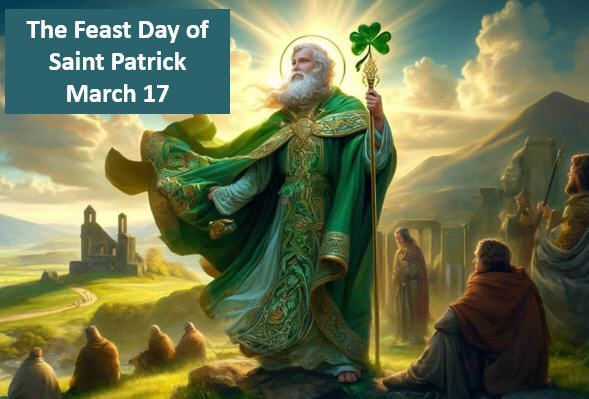
Saint Patrick - March 17
Quote:
I, Patrick, a sinner, a most simple countryman, the least of all the faithful and most contemptible to many…was taken captive. I was at that time about sixteen years of age. I did not, indeed, know the true God; and I was taken into captivity in Ireland with many thousands of people…And there the Lord opened my mind to an awareness of my unbelief, in order that, even so late, I might remember my transgressions and turn with all my heart to the Lord my God… ~Confession of Saint Patrick
Reflection: Patrick was born in Roman-ruled Britain to loving parents, perhaps as an only child. His father was a senator and a deacon, and his grandfather was a married priest. Despite his Christian upbringing and the clerical influences of his father and grandfather, Patrick struggled with his faith, stating later that when he was young he “did not know the true God.” This testimony, and the quotes to follow, come from his own hand, preserved in his Confessio, Saint Patrick’s short autobiographical confession about the workings of God’s grace in his life and ministry.
At the age of sixteen, Patrick’s life took a dramatic turn for the worse; at least, that’s how it first appeared. Gaelic slave traders from Ireland arrived by ship and raided Patrick’s village. Though young women and children were often their preferred targets, a young, healthy boy could also profit them. Patrick was captured and “was taken into captivity in Ireland with many thousands of people.”
At the time of Patrick’s captivity, Ireland was a pagan country made up of more than a hundred small, family-based clans governed by local chiefs. Most clans united with other clans to form several larger kingdoms. Their religious beliefs were a mixture of polytheism, in which gods were honored and called upon, and animism, in which the natural world was believed to contain spirits who could be communicated with. Their druids (priests) engaged in demonic spells, incantations, curses, and dark magic.
It was Patrick’s conviction that, because he and his fellow slaves had drawn away from God and did not keep God’s precepts, the Lord brought down upon them the “fury of his being,” permitting them to be scattered throughout Ireland as slaves. But God’s just punishments are always inflicted upon his children for the purpose of converting their hearts, which is exactly what happened to Patrick. “And there the Lord opened my mind to an awareness of my unbelief, in order that, even so late, I might remember my transgressions and turn with all my heart to the Lord my God, Who had regard for my insignificance and pitied my youth and ignorance.”
While in captivity, Patrick was made a swineherd for one of the clans and spent much of his time in the forests, enduring the snow, ice, and rain. But his time alone, experiencing the suffering and loneliness of captivity, greatly benefited his soul. At first, Patrick didn’t know God. Then, he began to think about God. Then he began to speak to God. Within six years, he was praying a hundred prayers every day and a hundred prayers every night. As a result, Patrick testified that “the Spirit was burning in me at that time.” After receiving chastisements from God for his lack of faith, Patrick’s heart was changed and filled with gratitude for all that God had done in his soul. He realized that his only “way to repay Him is to exalt Him and confess His wonders before every nation under heaven.”
Once Patrick had converted, God’s plan for his life changed. While asleep one night, Patrick heard a voice say to him, “Soon you will depart for your home country,” and shortly afterward, “Behold, your ship is ready.” By an intuition of grace, Patrick knew what he had to do. He escaped and ran 200 miles (about 184 modern miles). God directed him on the way and led him to a ship where Patrick convinced the captain to let him board. Three days later, they were back in Britain on a remote shore. Patrick and some pagans disembarked from the ship and began a twenty-eight-day journey through the wilderness to find civilization. On the journey, the pagans mocked Patrick’s faith, but when they ran out of food, Patrick prayed and God miraculously provided them with a herd of pigs. The pagans were impressed and Patrick won their respect. This was the first of many times that God used Patrick to change hardened hearts. Then, Patrick was reunited with his parents at last.
Back in Britain, Patrick continued to pray, study Scripture, and learn the Catholic faith. His prayer led him into deep union with God. He had dreams and visions, including a vision in which he heard the voice of the Irish say to him, “We beg you, holy youth, that you shall come and shall walk again among us.” Patrick knew that he had to return, not as a slave, but as a missionary. Despite opposition from his family, Patrick was determined to answer God’s call.
Since Patrick had learned much about Irish culture and language, he was an ideal candidate for missionary work. After years of study, probably in France, he was ordained a bishop and sent by the Church back to Ireland to convert the pagans, his captors, to Christ. And that he did. It was by the courageous witness of his character, aided perhaps by miraculous signs and unwavering faith, that one of the kings converted. After being successful in one kingdom, Bishop Patrick moved to another. When he arrived in a new territory, he always sought to convert the local king and chiefs first. Once they were open to the Gospel, the people followed.
During the fewer than thirty years that Patrick evangelized the people of Ireland, he endured many hardships, including another short captivity, the constant danger of being killed, and staunch opposition from the druid spiritual leaders. But he also converted countless pagans, baptized and confirmed “so many thousands,” built churches, established religious life, ordained native clergy, and changed pagan Ireland as a whole into one of the greatest Catholic nations on earth.
Saint Patrick’s influence on Ireland was so profound that many later biographers have attributed numerous legends to him. Though most of these legends cannot be verified, the stories highlight the remarkable spiritual transformation of a hostile pagan nation by the faith and courage of one man. God humbled Patrick, changed his heart, set him on fire, and then used that fire to purify many thousands of people. In the centuries that followed, those converts went forth to the ends of the earth, bringing the same Gospel to others that Patrick first preached to them.
As we honor Saint Patrick, seek to imitate him by joining him in his initial humiliation. See your sins and pray that God purifies you by any means necessary. Convert your heart. Increase your daily prayer. Allow your heart to become inflamed by God’s Spirit. Say “Yes” to Him when He calls, and go where He sends you. Like Saint Patrick, God wants to send you on a mission, but He cannot do so until you fully convert your heart to His.
Prayer: Saint Patrick, you were captured and made a slave. God used that captivity to change your heart and draw you to Himself. Once converted, you chose to become a holy slave of Christ, bringing His saving message to a hostile and pagan land. Please pray for me, that I may imitate your conversion and place myself at the service of the will of God. Saint Patrick, pray for me. Jesus, I trust in You.
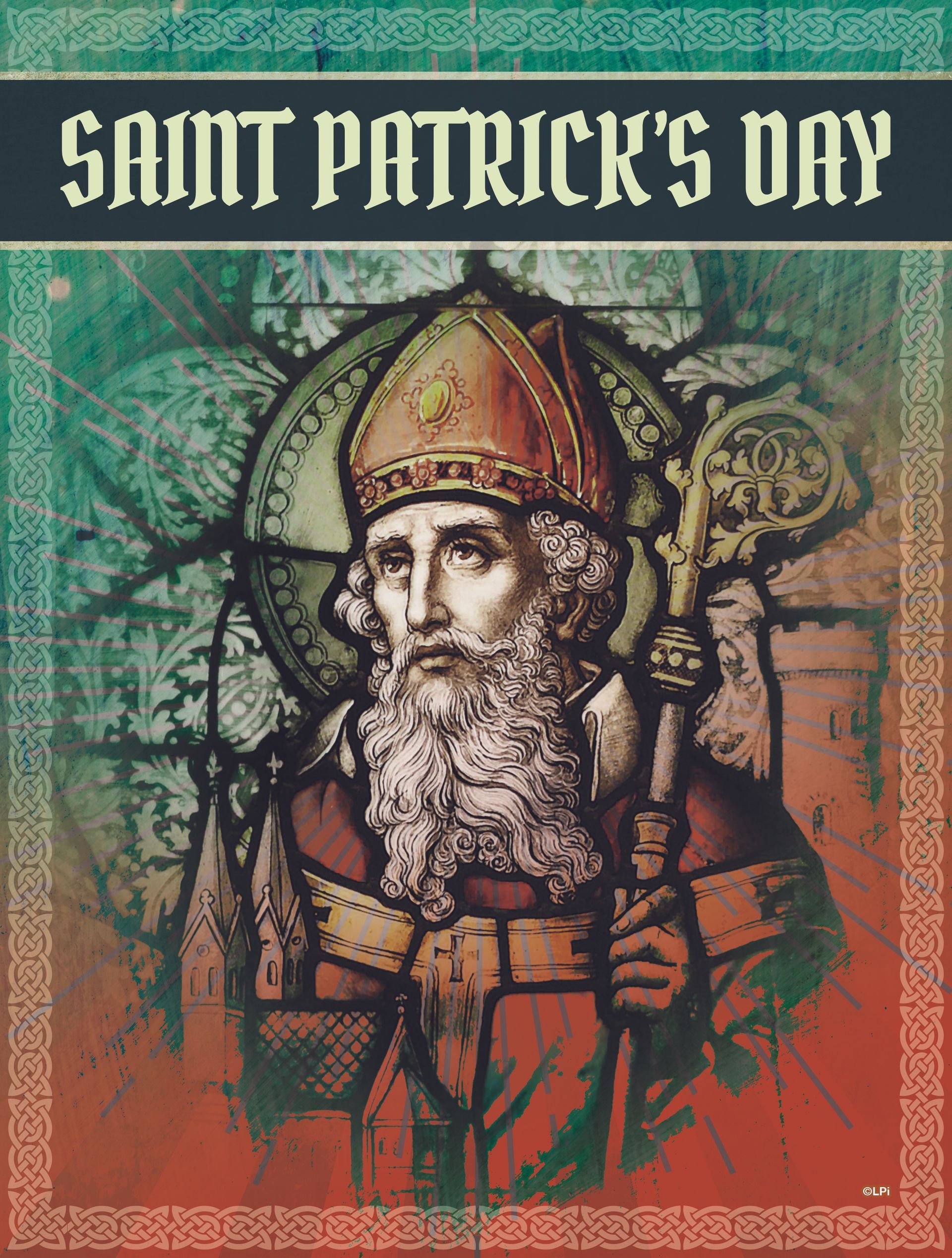
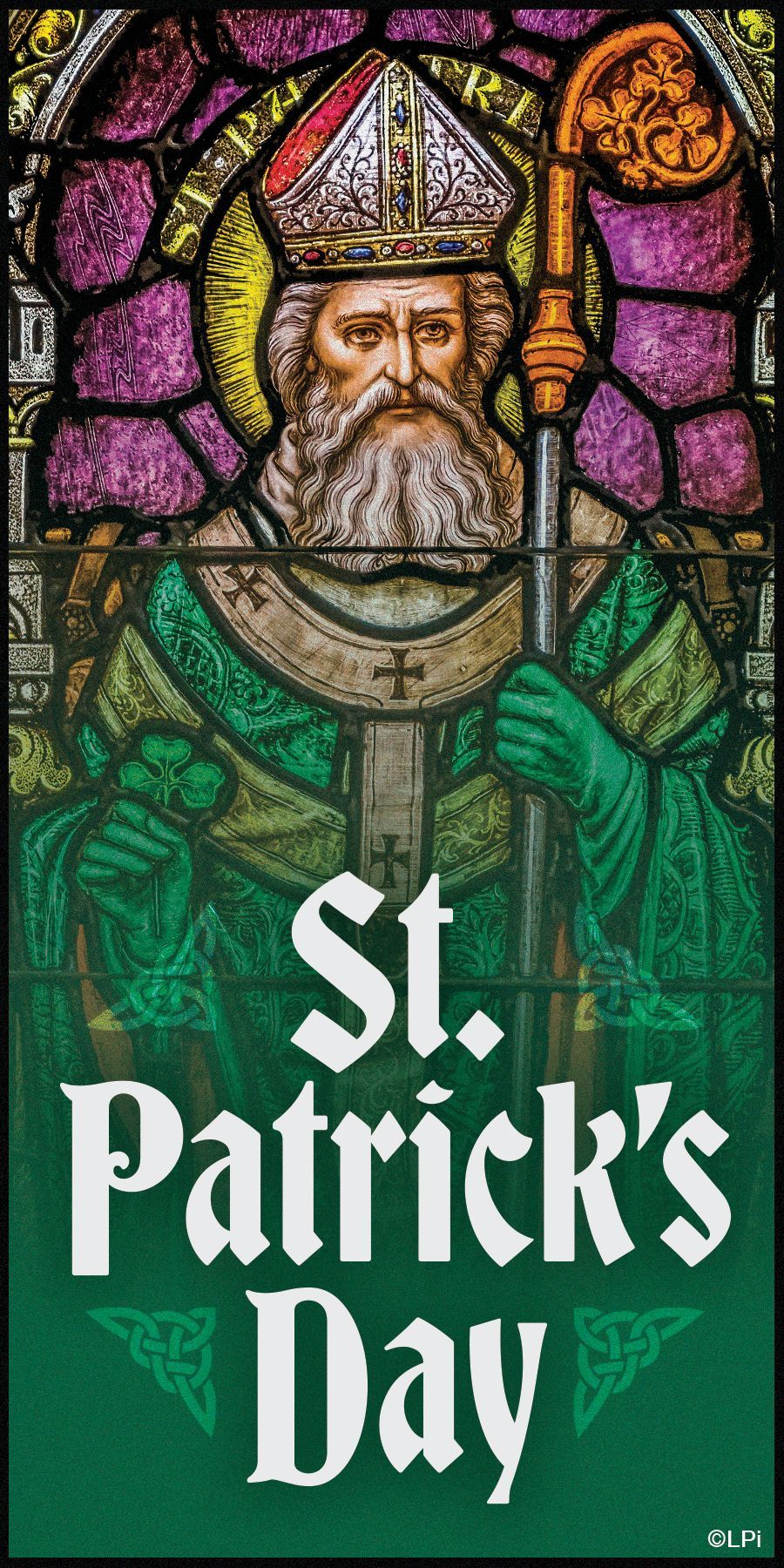
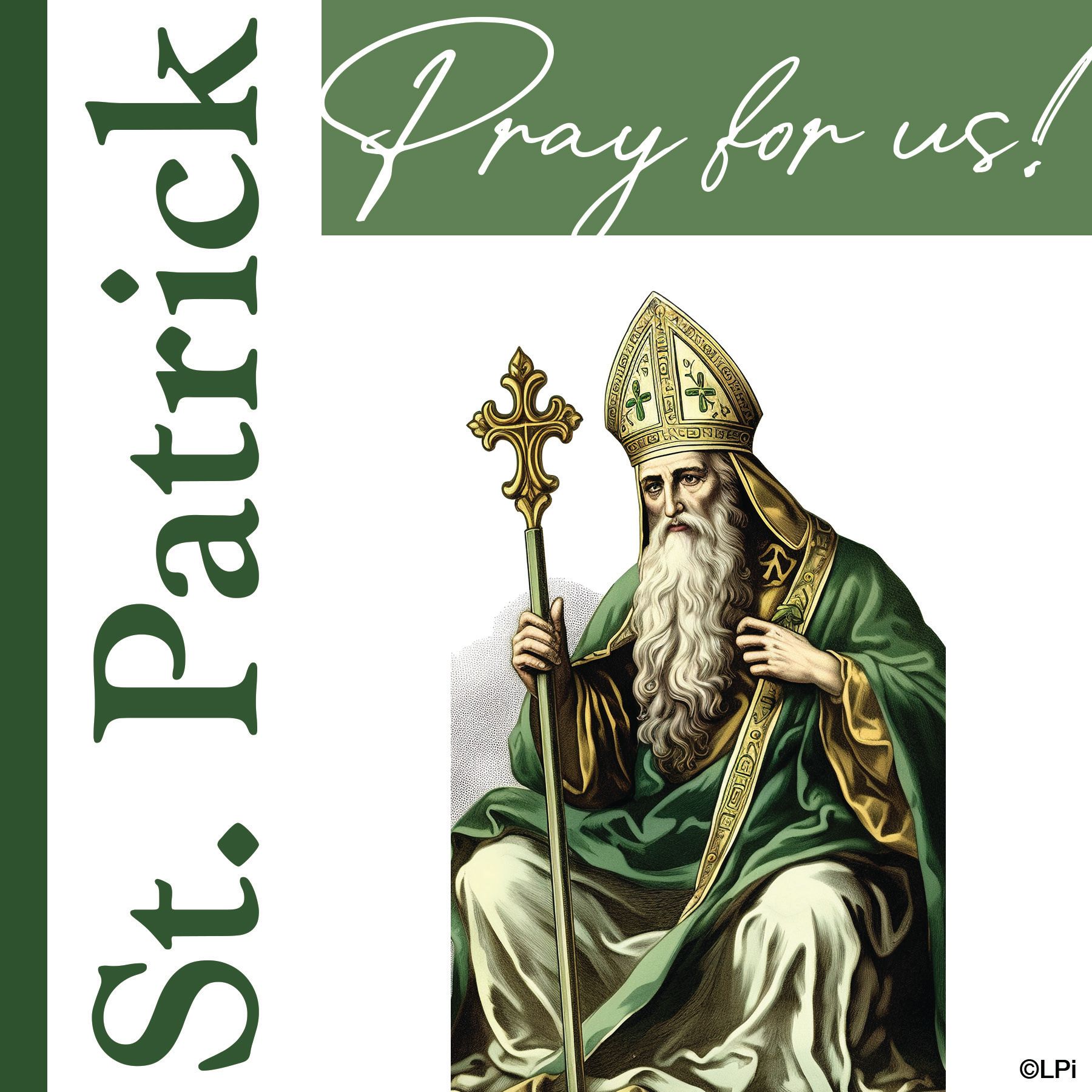
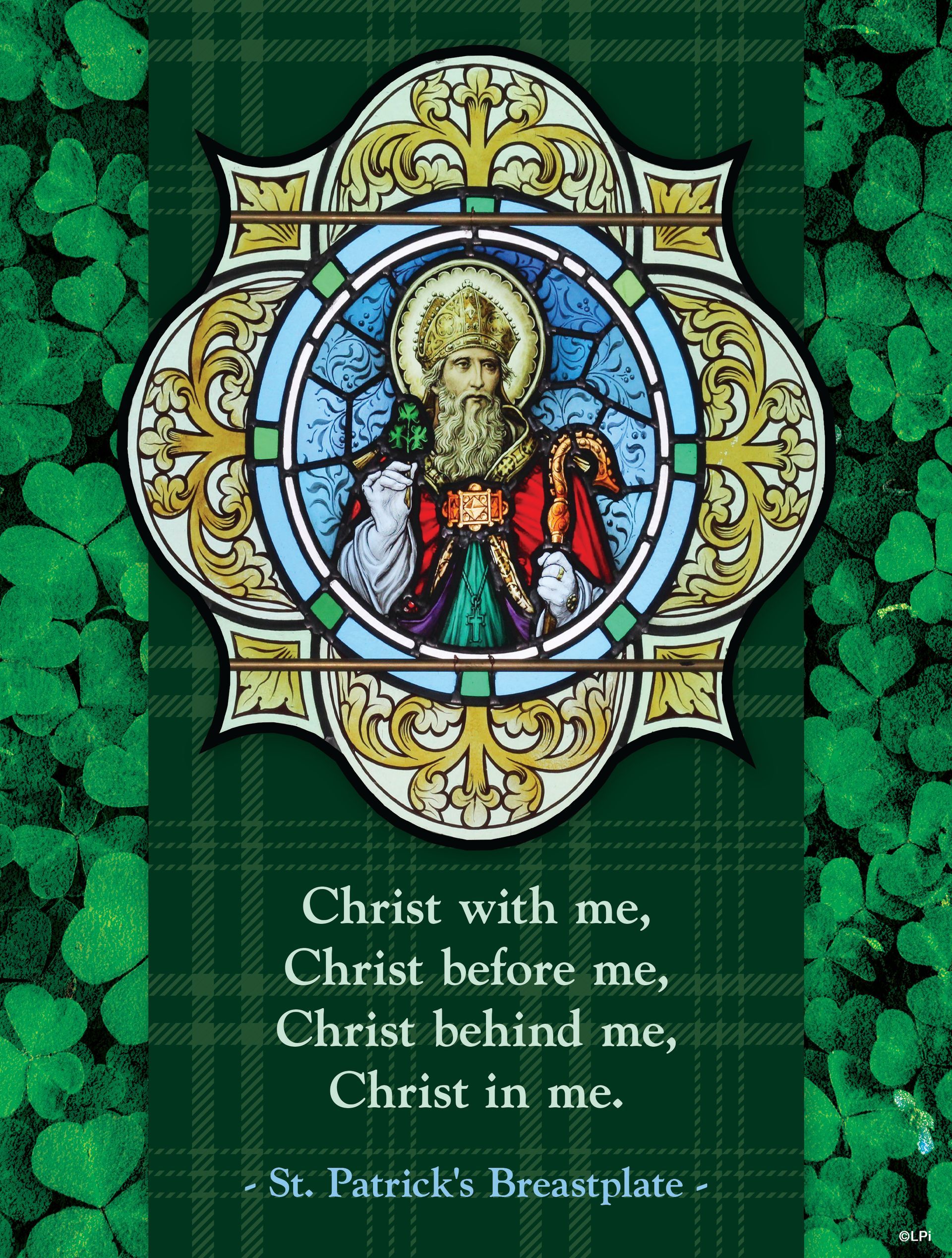

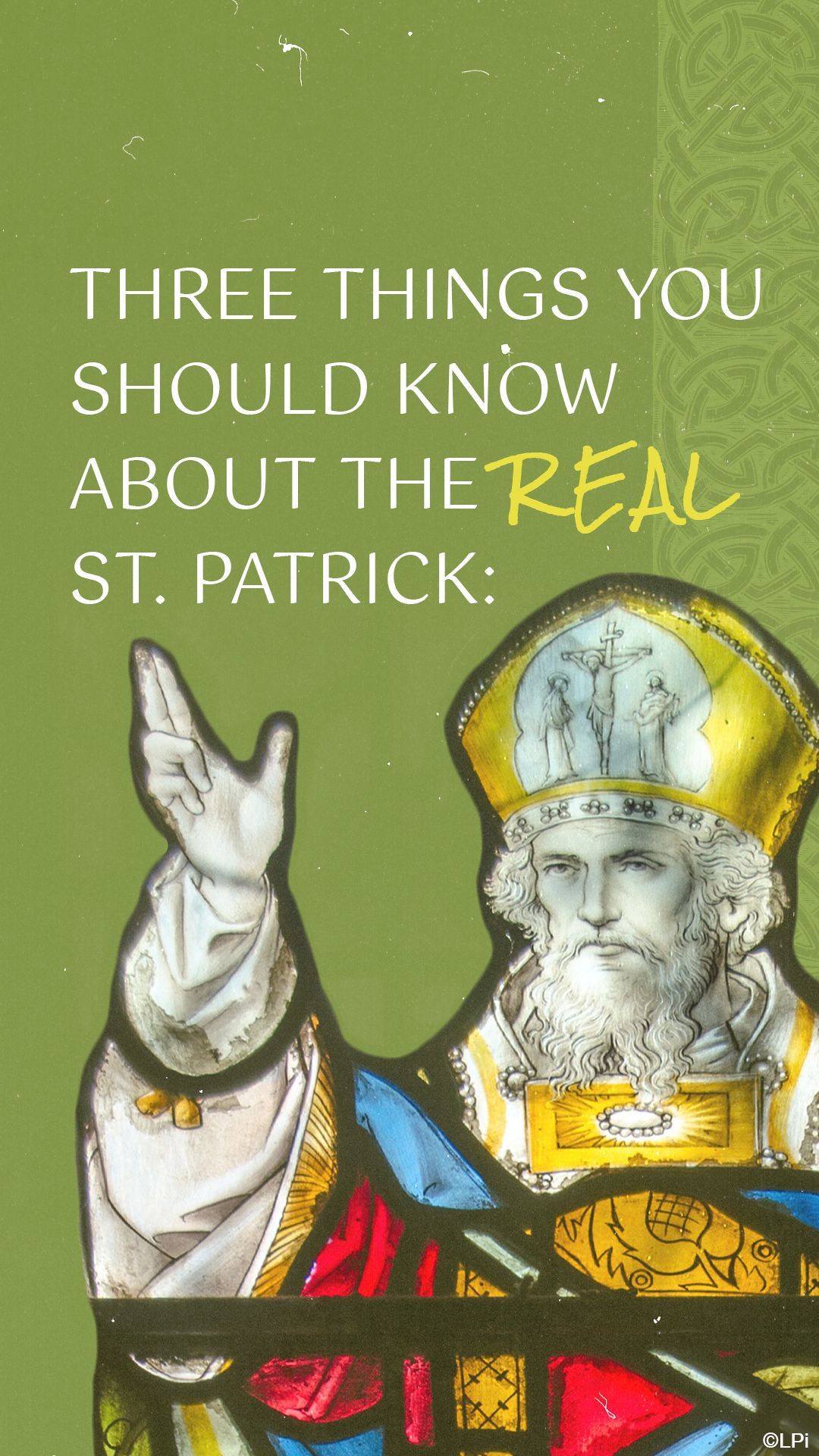
St. Patrick | March 17
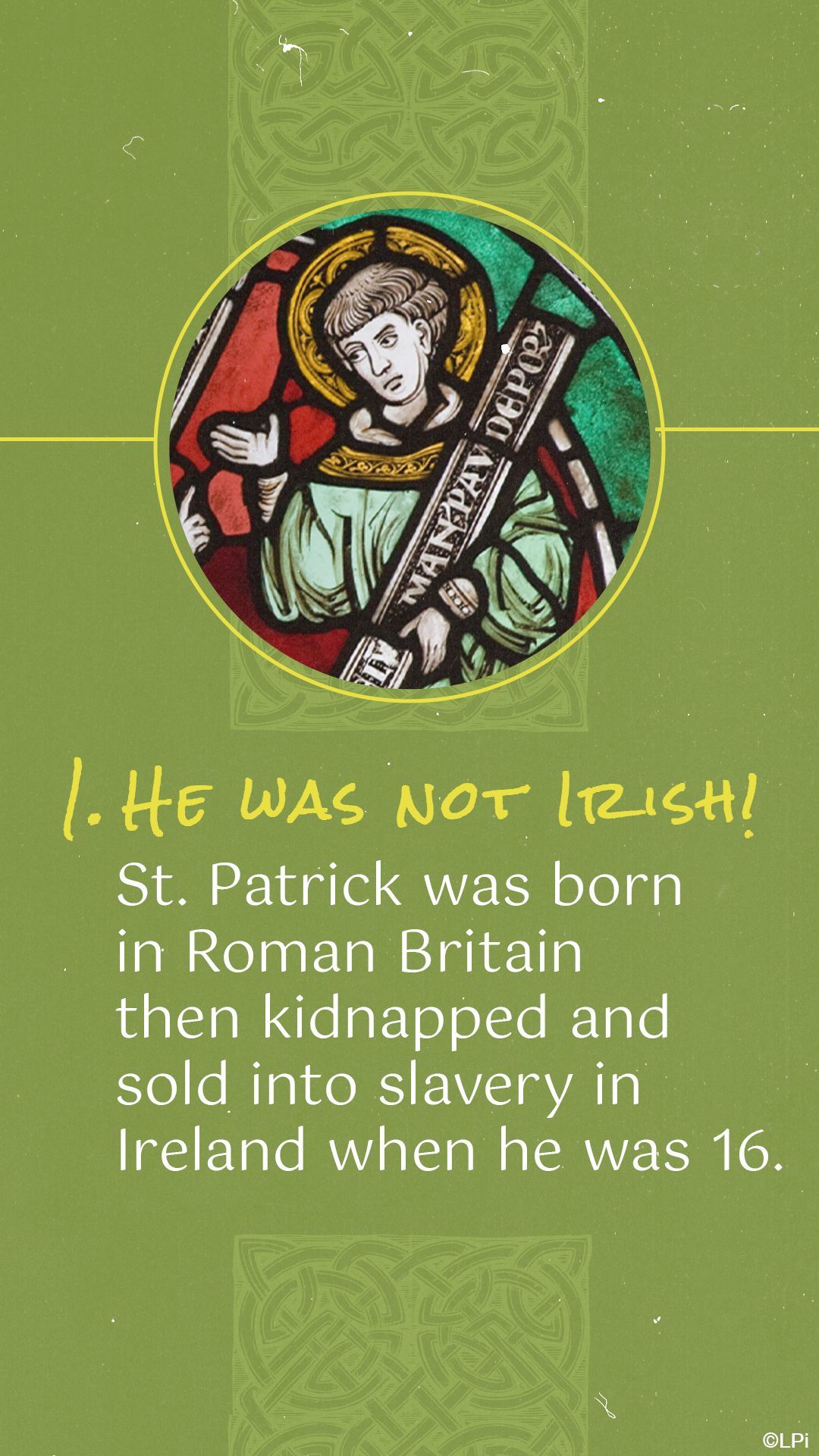
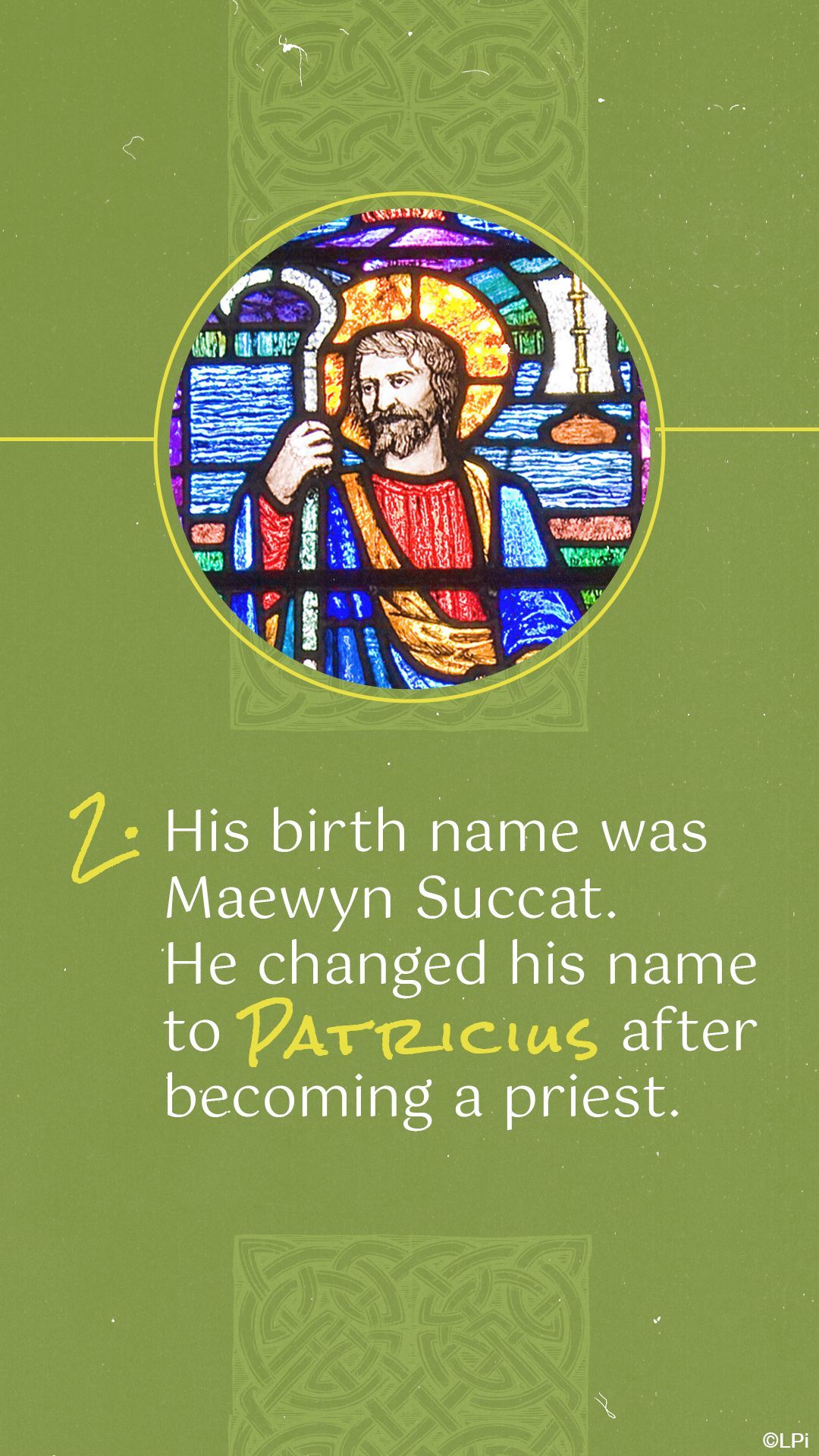
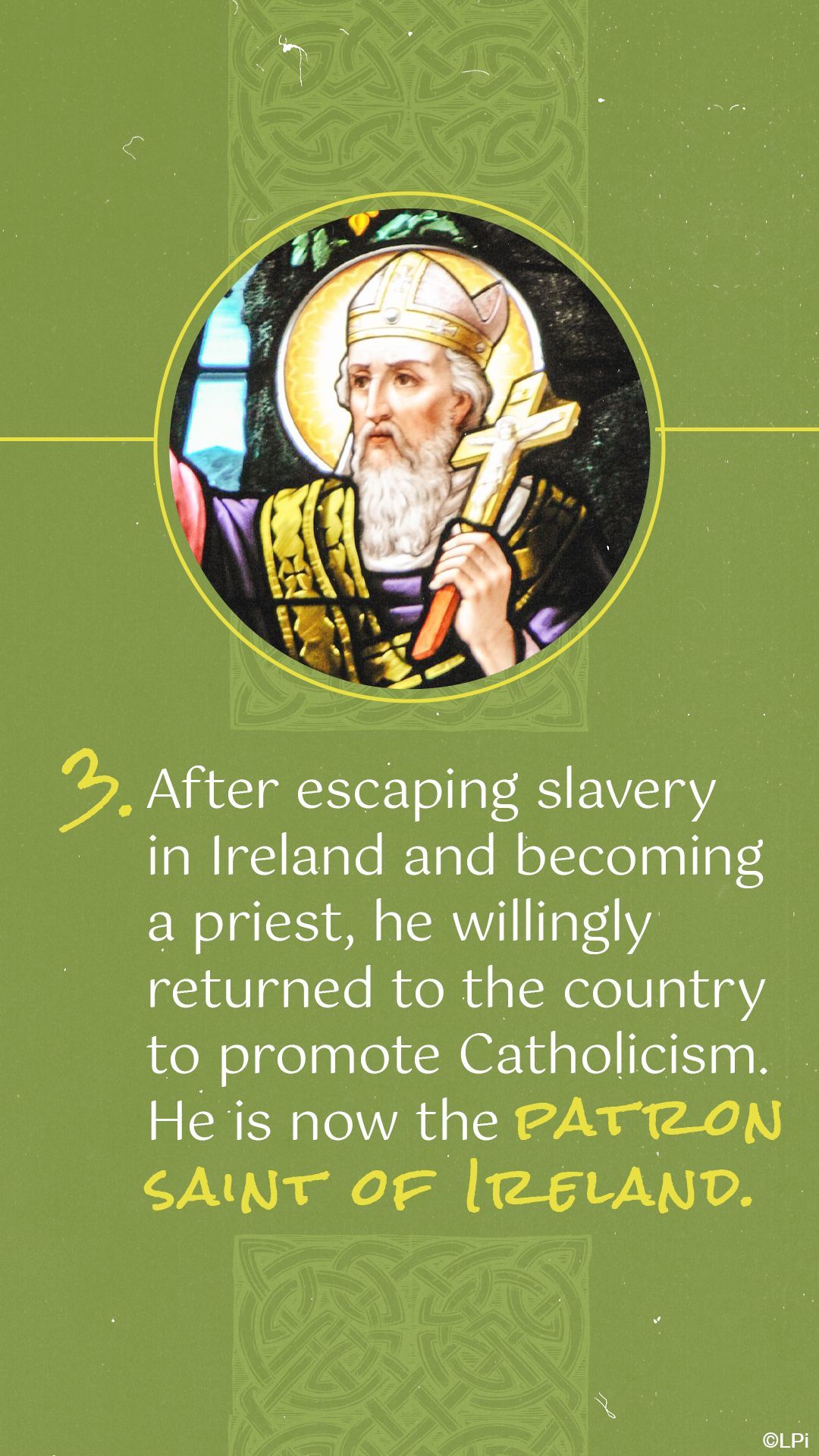
Whether you know him as the man who brought Christianity to Ireland or simply as a reason you eat corned beef and cabbage in March, St. Patrick (415 – 493) is a well-known saint around the world.
St. Patrick was born in Britain of a Romanized family. At the age of 16, he was kidnapped by Irish raiders from the villa of his father, a deacon and local official, and brought into slavery in Ireland. He spent six long years there as a herdsman, during which he turned to his faith for strength. He later escaped back to Britain on a ship, where he was eventually reunited with his family.
His years of captivity changed him and brought out a zeal for God and a yearning to spread the message of Jesus Christ. Despite the constant danger of martyrdom, he continued to travel throughout Ireland where he baptized and confirmed in the name of Christ.
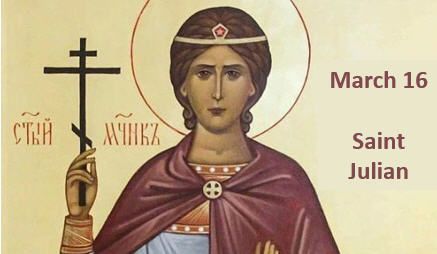
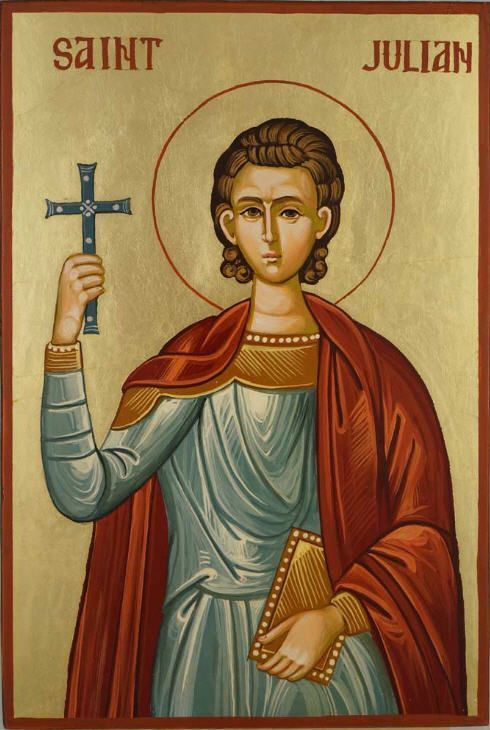
Saint Julian - March 16
Quote:
“Faith is not tested in comfort, but in the fire of trials.” — St. Julian, Martyr
Reflection: St. Julian, Martyr, lived during the early centuries of Christianity, when followers of Christ faced brutal persecution under the Roman Empire. Though historical details about his life are scarce, tradition holds that he remained steadfast in his faith despite threats, torture, and ultimately death. Rather than renounce Christ, Julian chose martyrdom, demonstrating unwavering courage and trust in God. His witness inspired many in the early Church, reminding believers that faithfulness to Christ is worth any sacrifice. Though centuries have passed since his martyrdom, his example continues to encourage Christians to stand firm in their beliefs, even in the face of opposition.
Practical Lessons
Stay Firm in Your Values: St. Julian chose to remain faithful to Christ despite pressure to conform. In daily life, this means standing up for truth and integrity, whether at work, in friendships, or online, even when it’s unpopular.
Be Brave in Small Sacrifices: While few today face martyrdom, we are still called to make sacrifices—whether it’s giving time to help others, saying no to temptations, or defending our beliefs with kindness when challenged.
Trust God in Hardships: Julian’s suffering reminds us to trust God when facing difficulties. When things don’t go as planned, instead of despairing, turn to prayer and ask for strength to endure with faith.
Prayer
St. Julian, courageous witness of Christ, pray for us that we may have the strength to stand firm in our faith, even when it is difficult. Help us to embrace sacrifice, trust in God’s plan, and remain steadfast in our commitment to truth. May your example inspire us to live boldly for Christ each day. Amen.
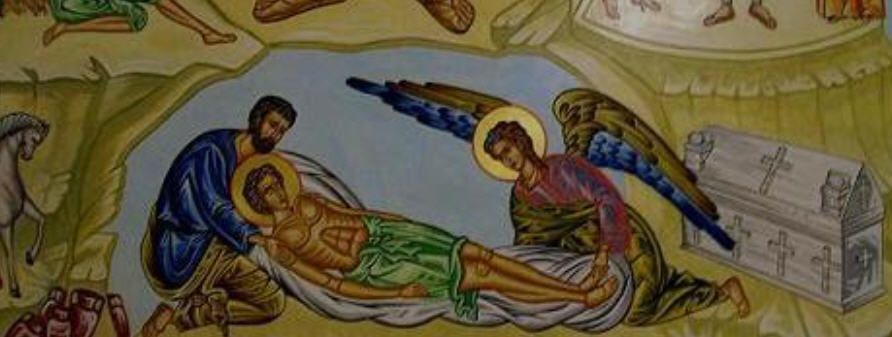
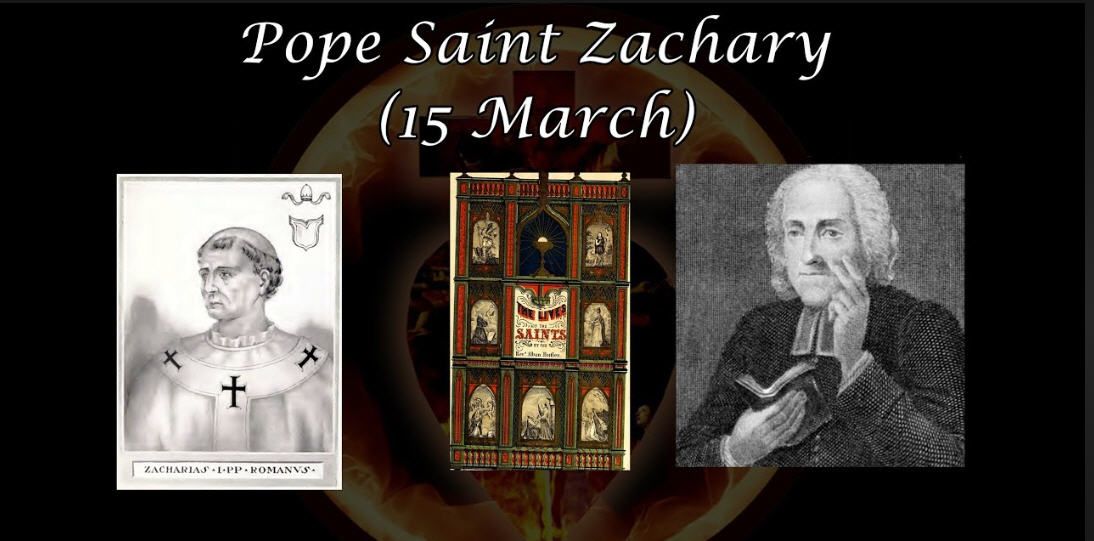
Pope Saint Zachary - March 15
Quote:
“Let us not seek war when peace may be won through reason and faith.” — Pope Saint Zachary
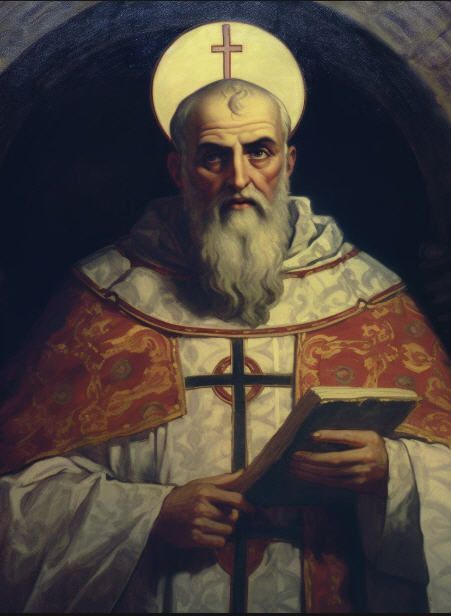
Reflection: Pope Saint Zachary was born in the early 8th century in Calabria, Italy. Elected pope in 741, he inherited a Church facing political turmoil and external threats from the Lombards. Unlike many of his predecessors, Zachary used diplomacy rather than warfare to protect Rome, successfully negotiating peace and preventing an invasion. He also intervened in European politics, approving the transition of power to Pepin the Short, which helped shape the future of the Holy Roman Empire. Zachary was deeply concerned with the spiritual and pastoral care of the Church, working to restore church buildings, support monastic life, and abolish corrupt practices such as the slave trade. He was known for his kindness, wisdom, and ability to unite people, leaving behind a legacy of peace and reform when he died in 752.
Practical Lessons
Resolve Conflicts with Dialogue, Not Anger: Pope Zachary prevented wars through negotiation. Whether at work, in family disputes, or in friendships, choosing calm and rational discussion over conflict can lead to better, lasting solutions.
Use Your Influence for Good: Zachary’s intervention in politics helped shape Christian Europe. In modern life, this reminds us that our choices—how we vote, speak up for justice, or help others—can have a lasting impact beyond what we see.
Take Action Against Injustice: He worked to abolish the slave trade. Today, we can follow his example by supporting ethical businesses, advocating for fair treatment of workers, and standing against injustices in our communities.
Prayer
Pope Saint Zachary, faithful shepherd of Christ’s Church, pray for us, that we may lead lives of peace, wisdom, and justice. Inspire us to seek reconciliation instead of conflict, to use our voices for good, and to stand up for those in need. May we follow your example of humble service and trust in God’s providence. Amen.
Saint Matilda - March 14
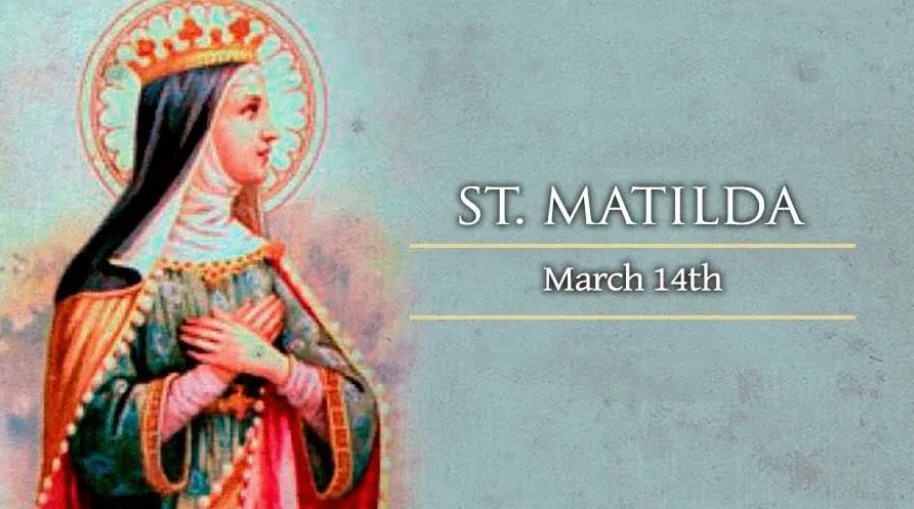
Quote:
“Give to the poor as much as you can, for it is the surest way to the kingdom of God.” — St. Matilda
Reflection: St. Matilda was born around 895 into a noble Saxon family in Germany. She married Henry the Fowler, who later became King of Germany, and together they ruled with justice and care for the poor. As queen, Matilda used her influence to establish monasteries, churches, and charitable institutions, ensuring that the needy were cared for. Even after her husband’s death, she remained a guiding force in her family, supporting her sons in leadership while maintaining a deep life of prayer and service. Despite facing political struggles within her own family, Matilda remained steadfast in her faith, choosing forgiveness over resentment. She spent her later years in a monastery, dedicating her life entirely to prayer and acts of charity. St. Matilda died in 968, leaving a legacy of humility, generosity, and unwavering trust in God.
Practical Lessons
Use Your Resources to Help Others: St. Matilda used her royal position to care for the poor. In modern life, this means using our own resources—whether time, finances, or skills—to help those in need, whether by donating, volunteering, or simply offering a helping hand.
Prioritize Family Over Conflict: Even when facing tension within her family, she chose love and forgiveness. In our daily lives, we can follow her example by letting go of grudges, choosing reconciliation over division, and making peace a priority in our homes.
Stay Rooted in Prayer Through Life’s Changes: Matilda remained faithful to prayer whether she was ruling a kingdom or living in quiet retirement. We can do the same by maintaining a prayer routine, whether in busy seasons or quieter times, keeping our relationship with God strong.
Prayer
St. Matilda, faithful queen and servant of God, intercede for us that we may use our blessings to serve others, remain patient and forgiving in our families, and stay devoted to prayer in all seasons of life. Help us to trust in God’s plan as you did, knowing that true joy comes from faith and love. Amen.
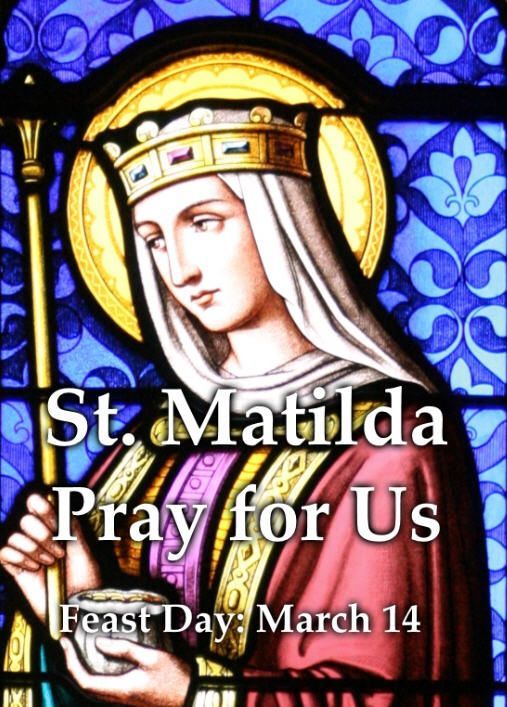
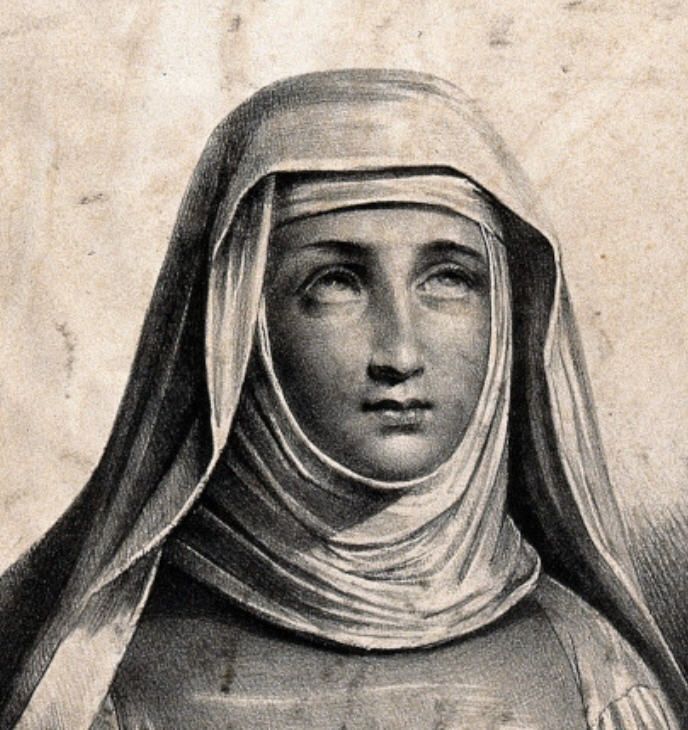
Saint Roderick - March 13
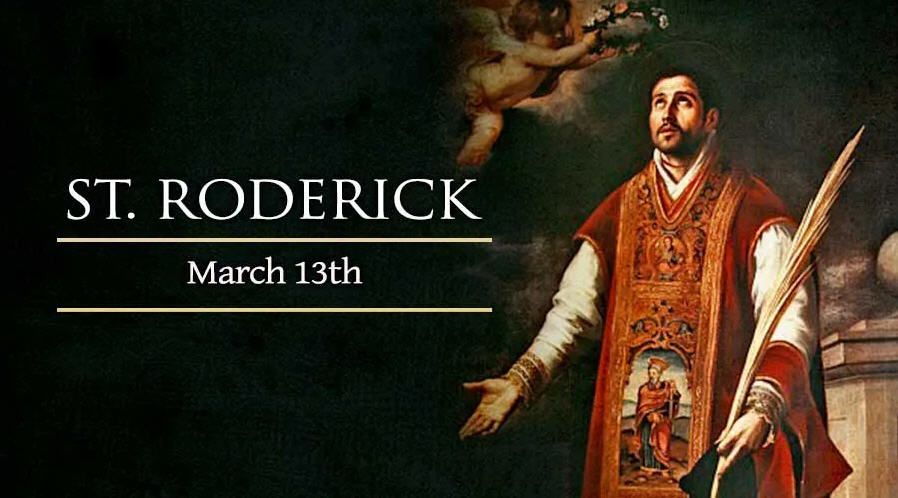
Quote:
“I would rather die a thousand deaths than deny my Lord.” — St. Roderick
Reflection: St. Roderick was a Catholic priest in 9th-century Moorish-controlled Spain, during a time of intense persecution of Christians. He had two brothers—one a devout Christian, the other a Muslim—who frequently quarreled over religion. One night, while trying to break up a fight between them, Roderick was falsely accused of renouncing Christianity and converting to Islam. His Muslim brother reported him to the authorities, and despite his protests, Roderick was imprisoned. Given the chance to save his life by denying his faith, he refused and remained steadfast in his belief in Christ. After a long imprisonment, he was executed by beheading around the year 857. His courage and fidelity to the faith have made him a powerful example of perseverance under persecution.
Practical Lessons
Stand by Your Faith, Even When It’s Unpopular: St. Roderick refused to deny his faith, even when it meant facing imprisonment and death. In today’s world, this means not being afraid to defend Catholic teachings, even in social settings or workplaces where Christianity is criticized.
Avoid Arguments That Lead to Division: His tragic story began with a family argument about religion. We can learn to approach religious discussions with love and patience, avoiding conflict that pushes others further away from the truth.
Remain True to God Even in Injustice: Roderick was falsely accused, yet he never wavered in his devotion. In everyday life, we may face false assumptions, misunderstandings, or criticism for our beliefs, but we should respond with faith and perseverance rather than resentment.
Prayer:
St. Roderick, steadfast defender of the faith, pray for us in times of trial and opposition. Help us to remain firm in our beliefs and to bear witness to Christ with courage and humility. May we learn from your example to avoid division, to seek peace in our families, and to trust in God’s justice, even when falsely accused. Through your intercession, may we always walk in the light of truth. Amen.
Saint Theophanes the Chronicler - March 12
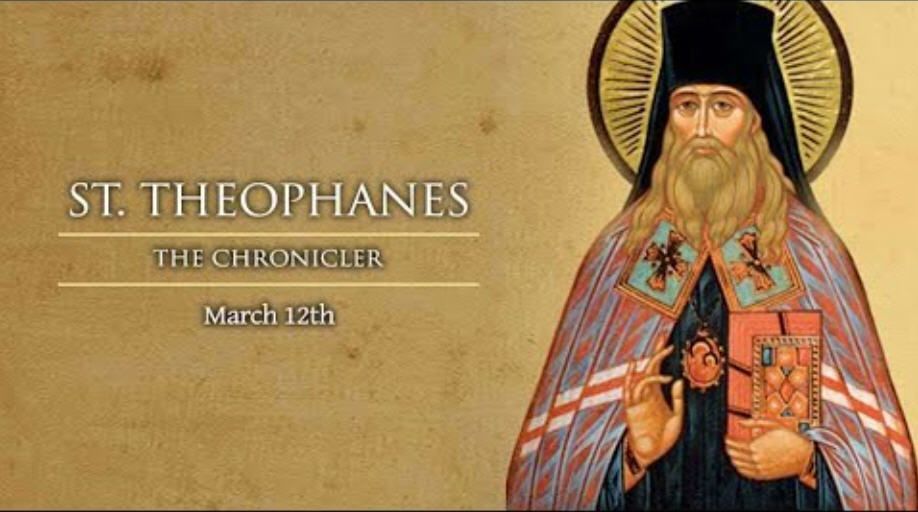
Quote:
“Honor the images, not for their material, but for the truth they proclaim.” — St. Theophanes
Reflection: Saint Theophanes was born in the late 8th century into a wealthy and influential family in Constantinople. Though he was expected to follow a political career, he chose instead to dedicate his life to God. After his wife entered a convent, Theophanes became a monk, using his wealth to build monasteries and support the poor. A scholar and theologian, he is best known for his defense of sacred images during the Iconoclast Controversy, when the Byzantine emperor sought to ban religious icons. Despite enduring imprisonment, harsh treatment, and exile for his faith, he remained steadfast. His writings and courage strengthened the Church’s defense of sacred art, and he died in exile in 817. His witness continues to inspire those who stand firm in their beliefs despite opposition.
Practical Lessons:
Stand Firm in Your Beliefs: Theophanes defended religious icons even when it cost him his freedom. If you face opposition for your faith or values, respond with patience and conviction rather than fear or compromise.
Use Your Gifts for Others: He used his wealth to build monasteries and serve the needy. Whether it’s financial resources, time, or talents, find ways to contribute to your community and Church.
Trust God in Difficult Times: Theophanes suffered imprisonment and exile but never abandoned his faith. When life brings
struggles—whether health issues, job loss, or family difficulties stay close to God and trust in His plan.
Prayer:
St. Theophanes, steadfast defender of the faith, pray for us as we seek to remain faithful to Christ in the face of challenges. Help us to use our resources for good, stand firm in truth, and trust in God’s will, even in hardship. May we, like you, hold fast to the beauty of the faith and share it with those around us. Amen.
Saint Eulogius of Cordoba - March 11
Quote:
“Let us not fear suffering, but embrace it as a path to Christ.
Reflection:
St. Eulogius of Cordova was born in the ninth century in Muslim-controlled Spain. Raised in a devout Christian family, he became a priest and scholar, dedicating himself to preserving and strengthening the faith amid persecution. At a time when Christians faced intense oppression under Islamic rule, St. Eulogius provided spiritual guidance and support to those imprisoned for their beliefs. He wrote extensively, documenting the lives of martyrs and encouraging Christians to remain steadfast in their faith. Despite multiple imprisonments, he continued his ministry fearlessly. Eventually, he was arrested again for defending a convert to Christianity and was beheaded in 859. His writings and witness remain a powerful testament to faith in the face of adversity.
Practical Lessons
Speak the Truth with Courage: St. Eulogius defended persecuted Christians even when it meant imprisonment. In modern life, this means standing up for your beliefs at work, in social settings, or online with charity and conviction, even when it’s unpopular.
Encourage Others in Faith: He supported fellow Christians through letters and teaching. Today, this could mean sending a thoughtful message to someone struggling in their faith, sharing an inspiring book, or inviting a friend to Mass.
Preserve and Share Your Heritage: St. Eulogius documented the faith of his time so future generations would not forget. We can apply this by recording family traditions, sharing stories of faith with children, or supporting Catholic education and media.
Prayer;
St. Eulogius of Cordova, fearless witness to Christ, pray for us that we may stand firm in our faith amid life’s trials.
Inspire us to speak the truth with wisdom, to encourage those who struggle, and to preserve the treasures of our faith for generations to come.
May your example of courage and devotion strengthen us in our journey toward heaven. Amen.

Saint Frances of Rome - March 9
Quote:
A married woman must, when called upon, leave her devotions to God at the altar to find him in her household affairs. ~Famous quote of Saint Frances
Reflection: Frances was born into an aristocratic family in the Eternal City of Rome near the famed Piazza Navona. From an early age, she was drawn to God and responded with much generosity. At the age of eleven, she told her father that she wanted to become a nun, but her father had other plans for her life. He informed her that he was giving her hand in marriage to Lorenzo Ponziani, a wealthy aristocrat who was a commander in the papal army. Frances struggled with her father’s decision and brought her concern to a local priest. After listening to her, the priest said to her, “Are you crying because you want to do God’s will or because you want God to do your will?” She quickly responded that she wanted God’s will, and the matter was settled. At the age of twelve, Frances was married.
Soon after her marriage, Frances was expected to assist her mother-in-law with the family’s social calendar. She was to help plan and host parties, engage in frivolities, and attend numerous public meetings. Since all she longed for was a life of solitude and prayer, the social expectations placed on her wore her out and she became gravely ill. The illness lasted for months and left her on her deathbed at a tender age. As she lay dying, she had a vision of Saint Alexis, a holy monk who fled an arranged marriage to pursue his vocation, who told her that she could choose one of two options, to recover or not. She deferred to the will of God and was immediately healed.
For the next forty years, Frances embraced her marriage with her whole heart. She loved her husband and he loved her. Her humble affection and devotion to him were so great that it has been said that during those forty years they never once had an argument. Though drawn to a life of prayer, Frances often said, “A married woman must, when called upon, leave her devotions to God at the altar to find Him in her household affairs.” One story relates that, while praying the psalms, Frances was called away four times to tend to family affairs before even being able to finish the prayer. Upon returning to begin a fifth time, she found the words of the psalm written in gold as a sign that her fidelity to the duties of her vocation was pleasing to God.
Though Frances was wealthy and of the noble class, she embraced a personal life of simplicity, bodily penance, fasting, and prayer. She abstained from meat except for rare occasions. She would often exchange the delectable food of the nobility for the food of poor beggars, usually receiving from them dry and moldy bread. She dressed in coarse garments, never fine linen, and often wore a hairshirt that irritated her flesh.
Frances and her husband had three children, two boys, and one girl. When a plague afflicted the city of Rome, one of her sons and her only daughter died at an early age. This personal suffering led her to join her sister-in-law to begin an informal outreach to the sick and poor. The women regularly visited hospitals, nursed the sick back to health, distributed food to the hungry, and were ministers of the compassion of Christ. Frances exhausted all of her own money and possessions to care for those who were suffering. When her money ran out, she began to beg other wealthy families for more. Eventually, some holy noblewomen in Rome were inspired to join Frances and her sister-in-law in their work.
In the year 1413, when Frances was twenty-nine years old, her husband was exiled from Rome by invaders, his property was seized, their home destroyed, and their only living son was detained as a hostage. Through it all, Frances called to mind the sufferings of Job and prayed with him, “The LORD gave and the LORD has taken away; blessed be the name of the LORD!” (Job 1:21). Within a few years, the situation was resolved, and her husband was able to move back to Rome and regain his possessions. But the chaos led Frances to turn the ruined family home into a hospital to care for the sick. One of those whom she cared for was her husband, who had suffered greatly during his exile. He was broken more in mind than in body, but her loving devotion helped him heal. During this time, it is said that she began having visions of her guardian angel, who frequently spoke to her and gave her advice. These visions continued for the rest of her life.
By 1425, Frances and other holy women in Rome were working hard to care for the poor and infirm. To help this work flourish, Frances organized a lay association of Benedictine Oblates for single and widowed women. The women who joined did not take formal religious vows nor enter a cloister, but lived together, embraced the Benedictine spirituality under the direction of a local monastery, and gave loving service to the poor and ill. Though still married and unable to join the oblates, Frances did receive the consent of her loving husband to live the rest of their marriage in abstinence from intimacy. They lived this way until Lorenzo’s death in 1436.
The next year, now widowed at the age of fifty-two, Francis walked barefoot through the city to the monastery of oblates she had founded and prostrated herself on the ground before the oblates, begging for admission. She was admitted and soon after was named the superior. The desire for religious life that she felt at the young age of eleven was now realized. For the next three years, she devoted herself to the holy work of her community. When her guardian angel informed her that her mission was complete on earth, she joyfully surrendered herself to death. In 1925, Pope Pius XI declared her to be the patron saint of automobile drivers because it was said that her angel always went before her, lighting the way, as headlights illuminate the way for a car.
Saint Frances loved and served God as a wife, mother, and religious. She learned to embrace God’s will over her own. Her selfless living enabled her to discover God’s will in each evolution of her vocation and to serve Him in the way in which she was called. As we honor this holy woman, ponder your own vocation and commit yourself to serving the will of God in the way that gives Him the greatest glory here and now.
Prayer: Saint Frances of Rome, you loved God with all your heart and served Him at every stage of your life. Please pray for me, that I may learn how to serve God within my vocation, never seeking anything other than His holy and perfect will. Saint Frances, pray for me. Jesus, I trust in You.
Saint John of GOD - March 8
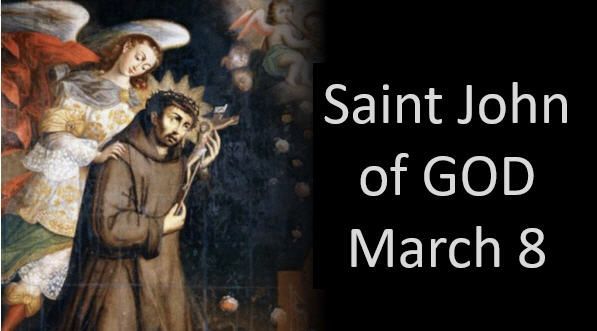
Quote:
Lord be blessed for in your great kindness to me who am such a great sinner having done so many wicked things, yet you see fit to set me free from such a tremendous temptation and deception which I fell into through my own sinfulness. You have brought me into a safe harbor where I shall endeavor to serve you with all my strength. My Lord, I beg you with all my might, give me the strength of your grace and always let me see your clemency. I want to be your slave, so kindly show me what I should do. Give peace and quiet to my soul which greatly desires this. O most worthy Lord, may this creature of yours serve and praise you. May I give my whole heart and mind to you. ~Prayed by Saint John of God at the time of his final conversion
Reflection: Saint John of God was born in the village of Montemor-o-Novo, Portugal to middle-class, faith-filled parents. According to his early biographer, John was abducted from his home when he was only eight years old and taken to the town of Oropesa, Spain, more than 200 miles away. In Oropesa, John found himself homeless and alone. He met a good man named El Mayoral who gave him a job as a shepherd and a place to live. John worked hard until he was twenty-two years old, never returning to his parents’ home. El Mayoral wanted John to marry his daughter, but John wanted to see the world. He joined the army of the Holy Roman Emperor and battled the French. During his service, he was assigned to guard some captured clothing that went missing. John was accused of theft and condemned to death, but others intervened and he was released. Frustrated with military life, John returned to El Mayoral’s farm where he worked for another four years before entering the army once again to fight the Turks for the next eighteen years.
Upon the completion of his military service, John decided to return to his home country in Montemor-o-Novo to learn what became of his parents. After much searching, he found one of his elderly uncles who informed him that his mother died of heartbreak after his abduction and that his father joined the Franciscans and advanced in holiness. John said to his uncle, “I no longer wish to stay in this country; but rather to go in search of a way to serve Our Lord beyond my native place, just as my father did. He gave me a good example by doing that. I have been so wicked and sinful and since the Lord has given me life, it is fitting that I should use it to serve him and do penance.”
John began an interior search for the best way he could serve God and decided to journey to Africa, to ransom himself to the Muslims in exchange for their prisoners. On the journey, he met a knight and his family who were destitute and unable to care for themselves. The knight begged for John’s help that John gladly gave by working and giving them his earnings. When one of John’s fellow workers fled to Muslim territory and converted to Islam, John began to despair, thinking he should have done more for his friend. After seeking counsel from a Franciscan monastery, he decided to return to the mainland of Spain for the good of his soul.
Upon his arrival, John threw himself into a life of prayer, made a general confession, and tearfully went from church to church begging God for the forgiveness of his sins. To support himself, he began to buy and sell religious pictures and books as a traveling salesman. He found this to be spiritually rewarding and fruitful for the salvation of souls. Eventually, at the age of forty-six, he set up a small shop of religious items at Granada’s city gate.
Soon after, the great preacher Saint John of Ávila came to town to preach a mission. John was in attendance and was so moved by John of Ávila’s sermons, and so keenly aware of his own sins, that he started running through the streets like a madman, shouting for mercy. He returned to his shop and destroyed every book that was not religious, gave every other religious book and picture away to those passing by, gave away the rest of his possessions, and continued crying out in the streets that he was a sinner. “Mercy! Mercy, Lord God, on this tremendous sinner who has so offended you!” Many thought John was a lunatic. Some good men brought him to Saint John of Ávila who heard his confession, counseled him, consoled him, and offered his continued guidance. But John was so deeply touched by the priest’s holy help that he wanted everyone in the town to know how sinful he was, so he ran through the streets crying out again and rolled in mud as a sign of his sinfulness. Eventually, two compassionate men took John to the local insane asylum for treatment.
The theory of the day was that those who were insane were best cured by locking them in a dungeon and torturing them continuously until they chose to abandon their insanity, and this is what happened to John. Saint John of Ávila heard of this and began communicating with John, encouraging him, and guiding him. He received every beating in the asylum with joy as penance and offered each sacrificially to God. Throughout, John exhorted the warden and other officers to treat the patients better. When John began to exude a peaceful disposition, the warden was pleased and permitted him to be freed of his shackles. John showed mercy and compassion to others, performing menial charitable tasks and spreading God’s love. He thought to himself, “May Jesus Christ eventually give me the grace to run a hospice where the abandoned poor and those suffering from mental disorders might have refuge and that I may be able to serve them as I wish.”
After receiving permission to leave the asylum, John made a pilgrimage and had a vision of the Blessed Mother who encouraged him to work for the poor and infirm. Upon his return to Granada, he moved forward with his desire to open a hospital. Through begging, he was able to rent a building, furnish it, and begin seeking out the sick. He worked tirelessly to care for them, begged for food, brought priests to hear their confessions, and nursed them back to health. In the years following, John extended his mission of mercy to the poor, the abandoned, widows, orphans, the unemployed, prostitutes, and all who suffered. Soon, others were so inspired by the work John was doing that they joined him. His companions in the work made up what would eventually become the Order of Hospitallers. In John’s life, the group would be only an organized group of companions, but twenty-two years after John’s death, the pope would approve this group of men as a new religious order. Among the many miracles that have been reported, the most notable was when John ran in and out of a burning hospital to rescue patients without being burned himself.
Saint John of God is a shining example of God’s power. He was a sinner and was thought to be mentally ill, but God did incredible things through him. If you ever feel as though you have nothing to offer God, think of Saint John and know that the weaker you may feel, the more God can use you.
Prayer:
Saint John of God, you struggled in many ways throughout your life. Through it all, you never gave up your desire to serve God and others. Please pray for me, especially when I lose hope, that I may imitate your example and offer myself to God for His glory and the service of all. Saint John of God, pray for me. Jesus, I trust in You.
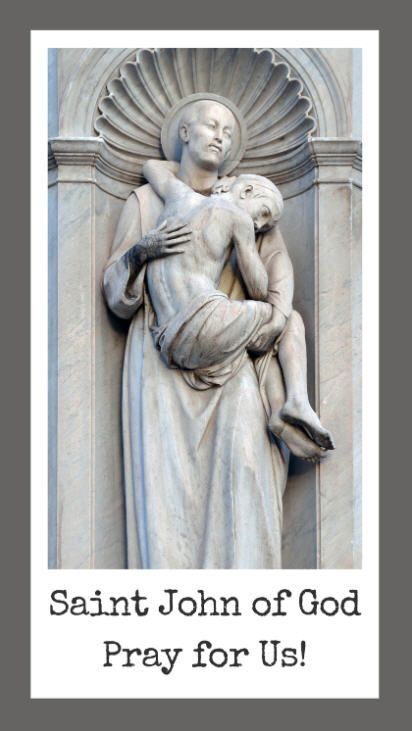
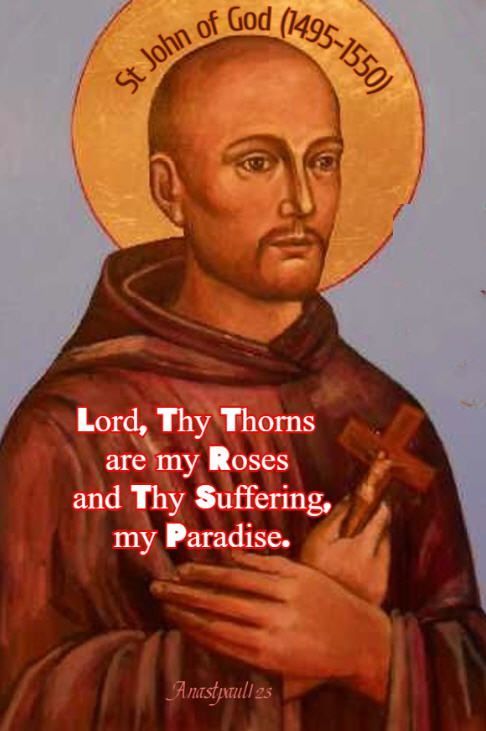
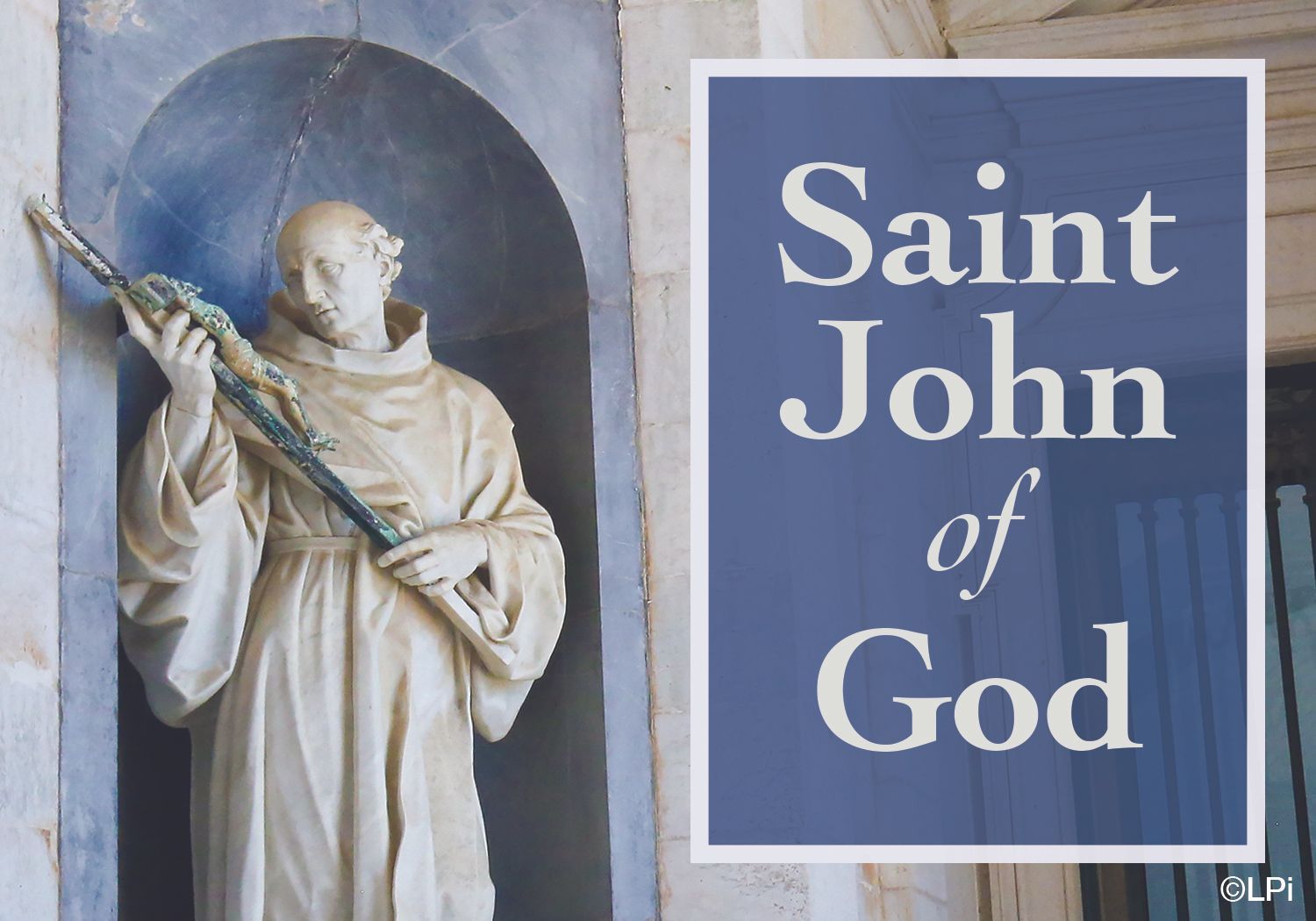
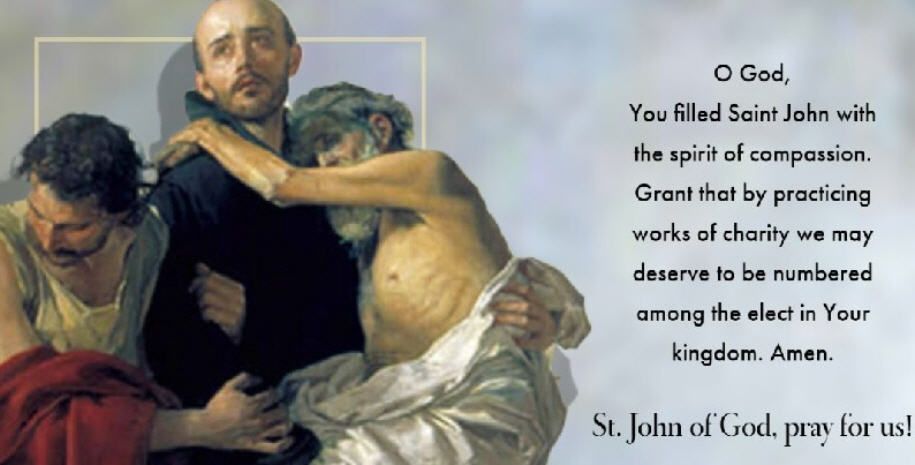
Saint Mary Ann of Jesus or Paredes - March 6
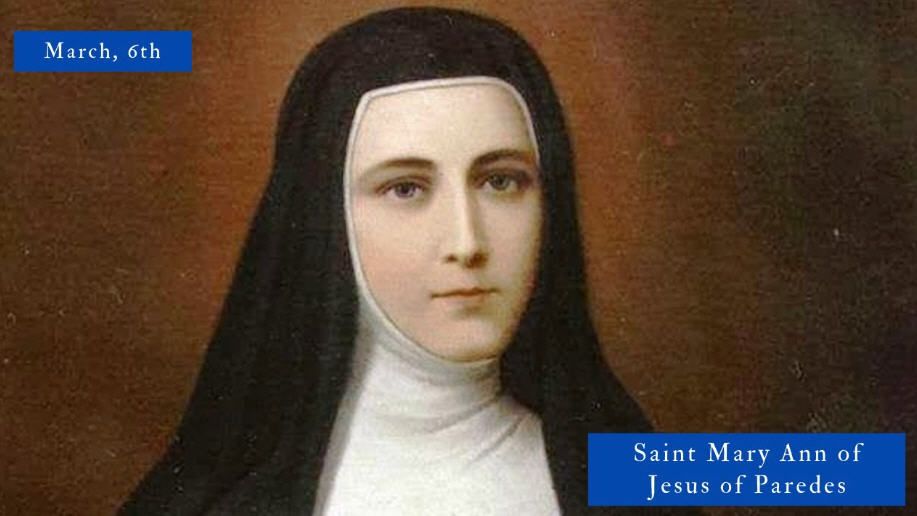
Saint Mary Ann of Jesus of Paredes’
Mary Ann grew close to God and his people during her short life.
The youngest of eight, Mary Ann was born in Quito, Ecuador, which had been brought under Spanish control in 1534. She joined the Secular Franciscans and led a life of prayer and penance at home, leaving her parents’ house only to go to church and to perform some work of charity. She established in Quito a clinic and a school for Africans and indigenous Americans. When a plague broke out, she nursed the sick and died shortly thereafter.
Saint Mary Ann of Jesus of Paredes was canonized by Pope Pius XII in 1950. The liturgical feast of Saint Mary Ann of Jesus of Paredes is celebrated on May 28.
Francis of Assisi overcame himself and his upbringing when he kissed the man afflicted with leprosy. If our self-denial does not lead to charity, the penance is being practiced for the wrong reason. The penances of Mary Ann made her more sensitive to the needs of others and more courageous in trying to serve those needs.
Saint John Joseph - March 5
Saint John Joseph of the Cross
Self-denial is never an end in itself but is only a help toward greater charity—as the life of Saint John Joseph of the Cross shows.
John Joseph was very ascetic even as a young man. At 16, he joined the Franciscans in Naples; he was the first Italian to follow the reform movement of Saint Peter Alcantara. John Joseph’s reputation for holiness prompted his superiors to put him in charge of establishing a new friary even before he was ordained.
Obedience moved John Joseph to accept appointments as novice master, guardian and, finally, provincial. His years of mortification enabled him to offer these services to the friars with great charity. As guardian he was not above working in the kitchen or carrying the wood and water needed by the friars.
When his term as provincial expired, John Joseph dedicated himself to hearing confessions and practicing mortification, two concerns contrary to the spirit of the dawning Age of Enlightenment. Saint John Joseph of the Cross was canonized in 1839.
John Joseph’s mortification allowed him to be the kind of forgiving superior intended by Saint Francis. Self-denial should lead us to charity—not to bitterness; it should help us clarify our priorities and make us more loving. John Joseph is living proof of Chesterton’s observation: “It is always easy to let the age have its head; the difficult thing is to keep one’s own”
Saint Casimir - March 4
Quote:
Daily, daily sing to Mary; Sing, my soul, her praises due. All her glorious actions cherish, With the heart’s devotion true. Lost in wond’ring contemplation, Be her majesty confessed! Call her Mother, call her Virgin, Happy Mother, Virgin blest! ~Verse of a favorite hymn of Saint Casimir
Reflection:
King Casimir IV was King of Poland and Grand Duke of Lithuania. His wife, Queen Elizabeth, was the daughter of the Holy Roman Emperor Albert II. Their marriage was arranged primarily for political reasons, giving King Casimir IV greater influence in Bohemia and Hungary, but their marriage also bore great spiritual fruit. They had thirteen children, the third being the saint we honor today, Saint Casimir, named after his father.
Saint Casimir was born on October 3, 1458, the second son and third child in the Polish royal family. King Casimir IV’s father had converted to Catholicism from paganism and introduced Christianity to Lithuania. King Casimir IV was, therefore, raised in a good Catholic home which he also provided to his children. A faithful Catholic herself, Queen Elizabeth was the loving mother of her thirteen children.
As children born into royalty, Casimir and his siblings were well educated. From the age of nine until sixteen, Casimir and his older brother were tutored by a Polish priest named Father Jan Długosz. This good priest taught the boys Latin, German, law, history, rhetoric, and classical literature.
Casimir had no desire for power, war, riches, or nobility. Father Długosz had taught him well, and Casimir had fallen in love with his God and the Blessed Virgin. He prayed frequently, often slept on the floor, engaged in other penitential practices, spent entire nights meditating on the Passion of our Lord, dressed simply, and desired to live a life of chastity. He was charitable to the poor, manifested the virtues, and edified all who encountered him. He especially had a deep devotion to our Blessed Mother and each day sang an ancient hymn called, “Daily, Daily Sing to Mary.”
When Casimir was only thirteen, the King of Bohemia and Hungary died and King Casimir IV asserted his right to name a successor. The Bohemians agreed and accepted Vladislaus, the King’s firstborn son, as their king, but some of the Hungarians did not, preferring a godless tyrant named Matthias Corvinus. With the support of some of the Hungarian nobles, King Casimir IV decided to name his son Casimir to the Hungarian throne by force. Casimir was sent to lead the Polish army in battle against the Hungarians and take the throne. Casimir agreed out of obedience to his father, but his heart was not in it. He opposed the war, and in time the effort failed and Casimir returned to Poland. His opposition grew even stronger when he heard that Pope Sixtus IV had asked his father not to go to war. Upon Casimir’s arrival home, his father was furious and imprisoned him in a tower for three months. Those three months, however, were just what Casimir longed for.
In the solitude of imprisonment, Casimir was able to return to his life of prayer and deepen his union with God. Afterward, he continued his studies and life of devotion, vowing to remain celibate for the Kingdom of God. His father was not pleased and attempted to arrange a marriage for him, but he refused. After completing his studies at the age of sixteen, Casimir worked closely with his father, but his heart remained with God and the Blessed Mother. When Casimir was twenty, his father had to be absent from Poland for about five years, tending to matters in Lithuania. During those years, Casimir was put in charge of ruling Poland, which he did with thoughtfulness, justice, and charity. When Casimir was twenty-five, he became ill with a lung disease.
His father rushed back to Poland to be with his son, and on March 4, 1484, at the age of twenty-five, Casimir died.
After his death, devotion to Casimir quickly exploded. Many people prayed to him, and many attributed miracles to his intercession. One notable miracle took place in 1519 when the Lithuanian army was engaged in battle with the Russians. It is said that Saint Casimir appeared to the Lithuanian soldiers in a vision and directed them to a place where they could best defend their city, which they successfully did. This might be the reason that Saint Casimir is the patron saint of both Poland and Lithuania.
Shortly after that miracle, it is believed that Pope Leo X carefully examined Casimir’s life and miracles and was prepared to canonize him, but might have died before he was able to do so. Therefore, his successor, Pope Adrian VI, might have been the one to canonize him. Because those questions remained for some time, Pope Clement VIII officially confirmed Casimir’s canonization in 1602, adding him to the Roman liturgical calendar for Poland and Lithuania. In 1620, Saint Casimir was added to the Roman Calendar of the universal Church.
Worldly power, riches, and honors were all within the grasp of this young prince, yet he chose the power, riches, and honors bestowed by the heavenly King instead. His heart was filled with faith from a very early age that only grew as he got older. Even after Casimir’s death, God used him to inspire many. Ponder your own ambitions in life, and seek to imitate this young prince who rejected the lies of this world, preferring only the eternal truths of the Kingdom of God.
Prayer: Saint Casimir, at an early age you fell in love with God and the Blessed Virgin Mary. You prayed to them unceasingly and devoted your life to their service. You were a true prince in the court of the Great King of Heaven. Please pray for me, that I will always avoid the lures of this world, keeping my eyes fixed only on Heaven. Saint Casimir, pray for me. Jesus, I trust in You.
Saint Katharine Drexel - March 3
Quote:
Like the little girl who wept when she found that her doll was stuffed with sawdust and her drum was hollow, I too have made a horrifying discovery and my discovery like hers is true. I have ripped both the doll and the drum open and the fact lies plainly and in all its glaring reality before me: All, all, all (there is no exception) is passing away and will pass away . . . I am disgusted with the world. God in His mercy has opened my eyes to the fact of vanitas vanitatis, and as He has made me see the vile stark emptiness of this earth. I look to Him—the God of Love—in hope.
Reflection: On November 26, 1858, Catherine Marie Drexel was born in Philadelphia to Hannah Langstroth Drexel and her husband, Francis Drexel, an international banker and one of the wealthiest men in the United States. Her mother died when Catherine was only five weeks old, so Catherine and her older sister Elizabeth were cared for by their aunt and uncle until their father remarried in 1860. Three years later, Francis and his new wife, Emma, had a daughter, Louisa.
The three girls had what many would describe as an ideal childhood. They were lovingly cared for, lived in a large home in Philadelphia, received an excellent education from private tutors, frequently traveled with their father and stepmother throughout the United States and Europe, and were taught the Catholic faith in both word and deed. Francis and Emma Drexel were devout Catholics who regularly prayed and performed charitable works. They taught the girls that their wealth was a gift to be used for the good of others. One way they put this conviction into practice was by opening their large home to the community a few times each week, distributing food, clothing, and money for rent assistance to the poor. When widows or single women were embarrassed to come, Emma would quietly seek the women out to assist them. She often taught the girls that “Kindness may be unkind if it leaves a sting behind.” The girls also learned about prayer by witnessing their father and stepmother praying daily before an altar in their home.
When Catherine was only fourteen years old, she formulated a spiritual plan for her life with the help of her spiritual director, Father James O’Connor, who later was named the first bishop of Omaha. Catherine’s parents’ witness greatly influenced her, and she began to understand that spiritual riches were worth more than all the material wealth in the world.
After completing her formal education at the age of twenty, Catherine made her social debut and was presented to Philadelphia high society, as was the custom for young wealthy women. Her heart, however, was not drawn to the life of a social elite, but to God and care for the poor. Over the next few years, Catherine’s stepmother suffered from cancer and died on January 29, 1883, at the age of forty-nine, which helped Catherine to realize that money cannot buy health or happiness. The following year, Catherine and her sisters traveled to the Western United States with their father where they saw firsthand the poverty of the Native American community on reservations. In 1885 their father died, leaving his fortune to his three girls. Francis’ will set up trust funds that stipulated that each daughter would equally receive the income produced by his remaining $14 million estate, which translated into about $1,000 every day for each daughter. By comparison, in the year 2023, the $14 million estate would be equivalent to almost $500 million, and each daughter would receive about $35,000 per day.
Despite receiving this fortune, Catherine’s heart remained with the poor, especially the Native Americans out West, and impoverished Black communities. Over the next two years, with the help of two priests, she made substantial donations to reservations and visited them herself. In 1887, she was struggling with what she would do with her life. She felt drawn to the contemplative religious life but knew that this would make it impossible for her to use her inheritance for charitable work. During a visit to Rome, she had a private audience with Pope Leo XIII during which she begged the Holy Father to send an order of missionaries to the Native Americans. The pope lovingly said to her, “But why not be a missionary yourself, my child?” The pope’s words resonated deeply within her heart, and she soon found herself in tears outside Saint Peter’s Basilica, knowing what she must do.
In 1889, Catherine entered the novitiate of the Sisters of Mercy in Pittsburgh, taking the name Sister Mary Katharine. The news traveled quickly among the social elite. Philadelphia’s Public Ledger printed an article with the headline: “Miss Drexel Enters a Catholic Convent—Gives Up Seven Million.” She made her final vows in 1891, and with thirteen companions founded the “Blessed Sacrament Sisters for Indians and Colored People.” Sister Katharine was chosen as the first superior general.
Mother Katharine quickly went to work, using her inheritance to found a boarding school for Pueblo Indians in New Mexico and a school for African American girls in Virginia. Over the next sixty-four years, Mother Katharine and her sisters established forty-nine elementary schools, twelve high schools, Xavier University in New Orleans for Black students, and fifty-one convents. At the time of her death, her order had grown to more than 500 women religious.
In 1935, following a heart attack at the age of seventy-seven, Mother Katharine retreated to a life of prayer. Her original longing for a contemplative life was realized and lasted for the next twenty years. Her father’s will was set up in such a way that the income she received from the trust fund could only be passed on to her children. If she had no children, the money was to be distributed to religious organizations that her father had specified. Of course, Mother Katharine’s order was not one of them, being founded after her father’s death. Some believe that God allowed her to live until the age of ninety-six so that her annual earnings from her trust fund could be used for the ongoing charitable work of her order. She lived her last years in prayer, in personal poverty, simplicity, and charity, giving all she had and all she was to the poor. She was canonized in the year 2000, only the second person born in the United States to be canonized up to that time (after Mother Elizabeth Ann Seton).
Many people dream of being rich. Saint Katharine Drexel teaches us that money is not the source of fulfillment in life. Love is. Whether you are rich or poor, your happiness comes from lovingly serving the will of God. Be inspired by this holy woman and learn from her example by choosing the poverty of Christ over the riches of the world, and you will discover the true riches of Heaven.
Prayer: Saint Katharine, you gave up earthly wealth so that you could receive the spiritual riches of a life of grace, and better the lives of many. God called and you responded. Please pray for me, that I may never give my heart over to worldly and passing goals, but will seek only a life of selfless service to all whom you give me to love. Saint Katharine Drexel, pray for me. Jesus, I trust in You.
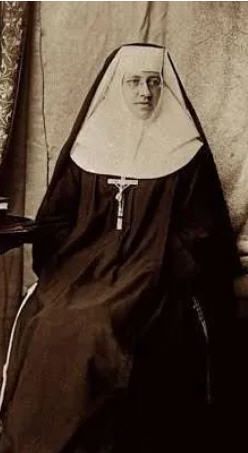
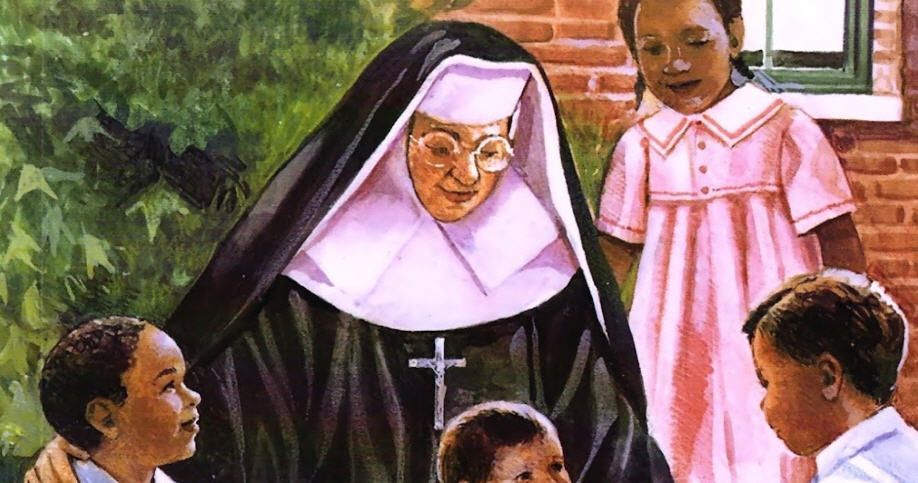
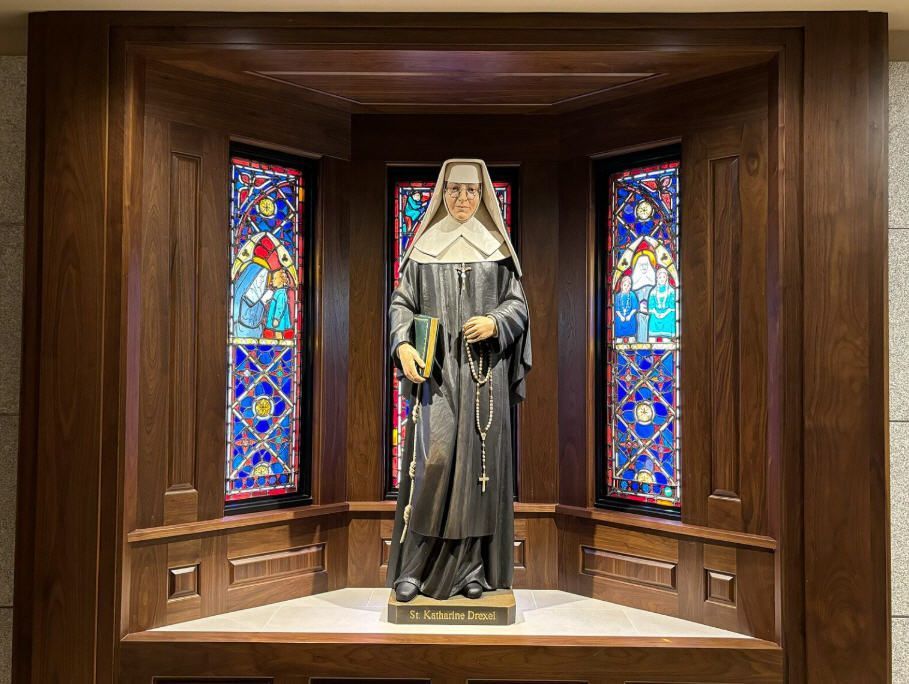
Saint Agnes of Bohemia - March 2
Saint Agnes of Bohemia’s
Agnes had no children of her own but was certainly life-giving for all who knew her.
Saint Agnes of Bohemia was the daughter of Queen Constance and King Ottokar I of Bohemia. She was betrothed to the Duke of Silesia, who died three years later. As she grew up, she decided she wanted to enter the religious life.
After declining marriages to King Henry VII of Germany and King Henry III of England, Agnes was faced with a proposal from Frederick II, the Holy Roman Emperor. She appealed to Pope Gregory IX for help. The pope was persuasive; Frederick magnanimously said that he could not be offended if Agnes preferred the King of Heaven to him.
After Agnes built a hospital for the poor and a residence for the friars, she financed the construction of a Poor Clare monastery in Prague. In 1236, she and seven other noblewomen entered this monastery. Saint Clare sent five sisters from San Damiano to join them, and wrote Agnes four letters advising her on the beauty of her vocation and her duties as abbess.
Saint Agnes of Bohemia became known for prayer, obedience and mortification. Papal pressure forced her to accept her election as abbess, nevertheless, the title she preferred was “senior sister.” Her position did not prevent her from cooking for the other sisters and mending the clothes of lepers. The sisters found her kind but very strict regarding the observance of poverty; she declined her royal brother’s offer to set up an endowment for the monastery.
Devotion to Agnes arose soon after her death on March 6, 1282. Canonized in 1989, her liturgical feast is celebrated on March 6.
Reflection
Agnes spent at least 45 years in a Poor Clare monastery. Such a life requires a great deal of patience and charity. The temptation to selfishness certainly didn’t vanish when Agnes walked into the monastery. It is perhaps easy for us to think that cloistered nuns “have it made” regarding holiness. Their route is the same as ours: gradual exchange of our standards—inclinations to selfishness—for God’s standard of generosity.
Saint David of Wales - March 1
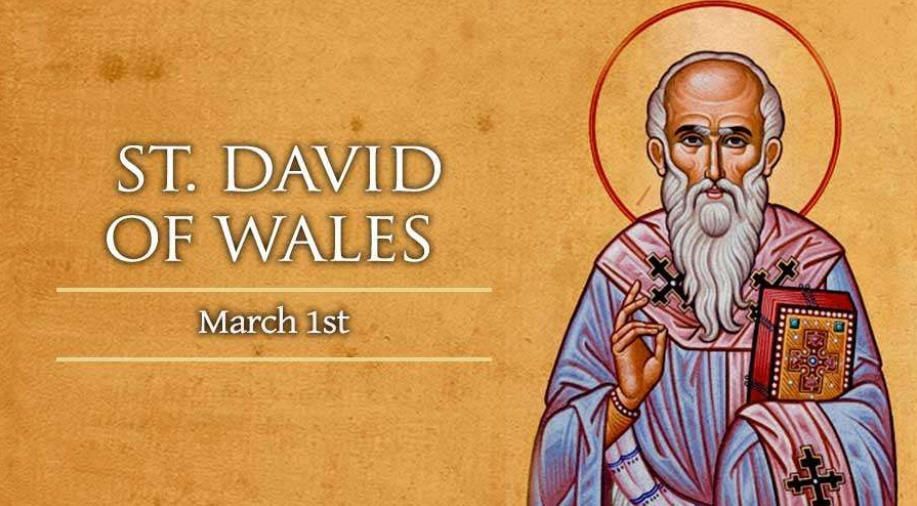
Saint David of Wales’
David is the patron saint of Wales and perhaps the most famous of British saints. Ironically, we have little reliable information about him.
It is known that he became a priest, engaged in missionary work, and founded many monasteries, including his principal abbey in southwestern Wales. Many stories and legends sprang up about David and his Welsh monks. Their austerity was extreme. They worked in silence without the help of animals to till the soil. Their food was limited to bread, vegetables and water.
In about the year 550, Saint David of Wales attended a synod where his eloquence impressed his fellow monks to such a degree that he was elected primate of the region. The episcopal see was moved to Mynyw, where he had his monastery, now called St. David’s. He ruled his diocese until he had reached a very old age. His last words to his monks and subjects were: “Be joyful, brothers and sisters. Keep your faith, and do the little things that you have seen and heard with me.”
Saint David is pictured standing on a mound with a dove on his shoulder. The legend is that once while he was preaching a dove descended to his shoulder and the earth rose to lift him high above the people so that he could be heard. Over 50 churches in South Wales were dedicated to him in pre-Reformation days.
Reflection
Were we restricted to hard manual labor and a diet of bread, vegetables and water, most of us would find little reason to rejoice. Yet joy is what David urged on his brothers as he lay dying. Perhaps he could say that to them—and to us—because he lived in and nurtured a constant awareness of God’s nearness. For, as someone once said, “Joy is the infallible sign of God’s presence.” May his intercession bless us with the same awareness!
Saint David of Wales is the Patron Saint of:
Wales
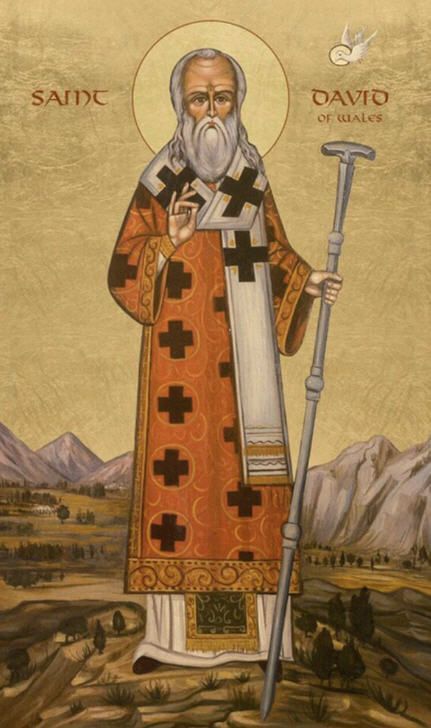
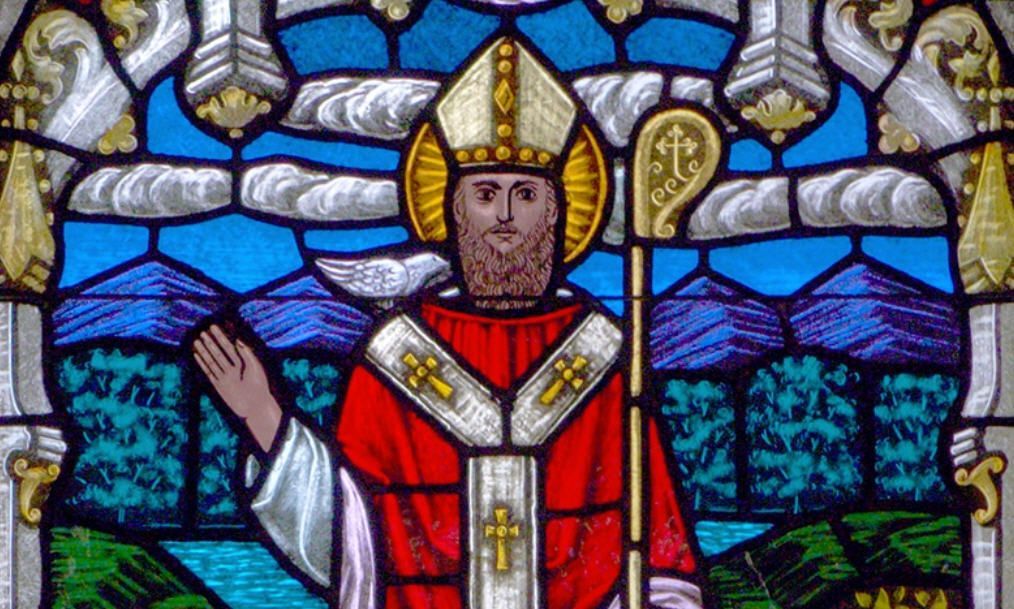
Blessed Daniel Brottier - February 28
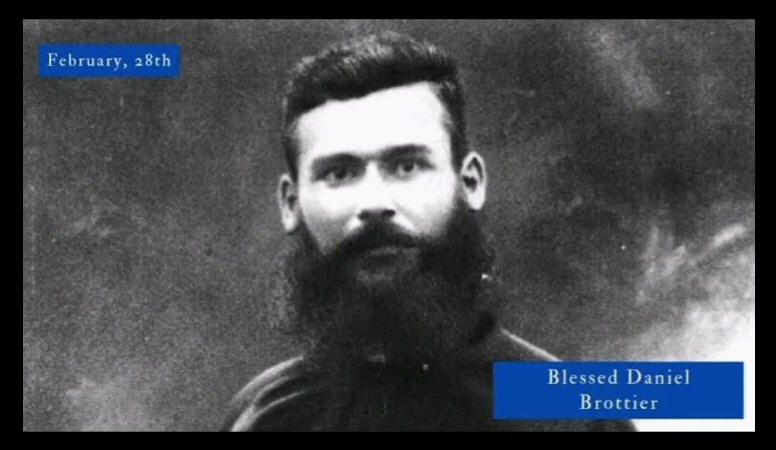
Blessed Daniel Brottier’s Story
Daniel spent most of his life in the trenches—one way or another.
Born in France in 1876, Blessed Daniel Brottier was ordained in 1899 and began a teaching career. That didn’t satisfy him long. He wanted to use his zeal for the gospel far beyond the classroom. He joined the missionary Congregation of the Holy Spirit, which sent him to Senegal, West Africa. After eight years there, his health was suffering. He was forced to return to France, where he helped raise funds for the construction of a new cathedral in Senegal.
At the outbreak of World War I, Blessed Daniel Brottier became a volunteer chaplain and spent four years at the front. He did not shrink from his duties. Indeed, he risked his life time and again in ministering to the suffering and dying. It was miraculous that he did not suffer a single wound during his 52 months in the heart of battle.
After the war he was invited to help establish a project for orphaned and abandoned children in a Paris suburb. He spent the final 13 years of his life there. He died in 1936 and was beatified by Pope John Paul II in Paris only 48 years later.
Reflection
Blessed Daniel might be called “Teflon Dan” since nothing seemed to harm him while in the midst of war. God intended to use him in some pretty wonderful ways for the good of the Church and he willingly served. He is a good example for all of us.
Saint Gregory of Narek - February 27
Quote:
Speaking with God from the Depths of the Heart. The voice of a sighing heart, its sobs and mournful cries, I offer up to you, O Seer of Secrets, placing the fruits of my wavering mind as a savory sacrifice on the fire of my grieving soul to be delivered to you in the censer of my will. ~From Prayer One, Book of Narek, by Saint Gregory
Reflection: The Apostles Saint Jude Thaddeus and Saint Bartholomew are believed to have traveled to Armenia to share the Gospel. In 301, the Armenian king was converted who, in turn, made Christianity the kingdom’s official religion, making Armenia the first nation to do so. In the centuries that followed, churches and monasteries were built, the faith was taught, liturgies were celebrated, and an extensive Christian culture emerged.
In the year 451, the Armenian Church separated from the Church of Rome over disagreements on doctrine from the Council of Chalcedon. Though the Armenian Church remained an apostolic Church, being founded by the Apostles, it became separated from the pope. Its Sacraments and life of prayer continued, but the division also continued. In recent decades, greater attempts at unification have been made, and the saint we honor today is the most recent attempt by the Roman Church to more fully unite with the Eastern Church of Armenia.
By the tenth century, the Kingdom of Armenia was celebrated for its faith, many churches, literature, art, and architecture. It was a relatively peaceful time. In the year 951, a boy named Gregory was born near Lake Van, the largest lake in the Kingdom of Armenia, modern-day Turkey. His mother died when he was young. His father was the ruling prince of the Andzevatsiq province and also an Armenian bishop and scholar. His father was vocally supportive of some of the teachings of the Council of Chalcedon and believed that the head of the Armenian Church, called the Catholicos, enjoyed only the rank of bishop. This did not sit well with the Catholicos, who later excommunicated Gregory’s father from the Armenian Church.
After their mother’s death, Gregory and his older brother were sent to live at the Monastery of Narek, under the guardianship of their maternal great-uncle Abbot Anania, the monastery’s founder. At about the age of twenty-six, Gregory was ordained a priest for the monastery and remained there for the rest of his life, teaching theology in the monastery’s school.
The loss of his mother early in life led Gregory to a deep devotion to our Blessed Mother. He would later write, “This spiritual, heavenly mother of light cared for me as a son more than an earthly, breathing, physical mother could (Prayer 75).”
Shortly after his ordination to the priesthood, Gregory wrote a commentary on the Song of Songs. He also wrote commentary on the Book of Job, numerous chants, homilies, and speeches that sang the praises of holy men. Toward the end of his life, he wrote his most famous work, The Book of Lamentations, or, as it is commonly known today, The Book of Narek.
Gregory’s father had taught him to remain in a state of continuous dialogue with God, ever attentive to His divine presence. The Book of Narek seems to flow from Gregory’s ongoing dialogue. The book is a compilation of ninety-five prayers. Each prayer begins with the phrase, “Speaking with God from the Depths of the Heart.” The prayers then go on to express the deepest love of God by a soul that seems troubled, and even tormented at times. The torment, however, is not despair, but an interior expression of hope from a soul who is in touch with his fallen humanity and sin, while at the same time keenly aware of God’s mercy. His prayers reflect the psalms and are similar to Saint Augustine’s Confessions. Saint Gregory states that these prayers were written “by the finger of God” (Prayer 34) and that Gregory saw God, as he says, “with my own eyes” (Prayer 27f). In one of the final prayers, Gregory states, “although I shall die in the way of all mortals, may I be deemed to live through the continued existence of this book…This book will cry out in my place, with my voice, as if it were me” (Prayer 88b; c). He believed his book was written not only for himself, his monks, or the Armenian people, but for all people, for the entire world.
Less than a century after Saint Gregory’s death, the Kingdom of Armenia was invaded by the Byzantines, then by the Turks. In the centuries that followed, these once-flourishing people suffered greatly under foreign domination. This suffering culminated in the twentieth century during the Armenian genocide when the Turks murdered an estimated 1–1.8 million Armenians. Throughout those centuries of great suffering and oppression, Saint Gregory’s book of prayers became the daily prayers of the Armenian people. Everyone had a printed copy; many people even slept with a copy under their pillow. In 2015, when the pope declared Saint Gregory a Doctor of the Church, and in 2021 when Saint Gregory was placed on the liturgical calendar for the Roman Church, his book of prayers suddenly became prayers for the entire world. They are prayers that need to be prayed by all people today so that the world will humble itself before God and become acutely aware of its sin and need for God’s mercy. Let us conclude with the conclusion of Saint Gregory’s final prayer.
Prayer: Prepare the earth for the day of light and let the soil bloom and bring forth fruit, heavenly cup of life-giving blood, ever sacrificed, never running dry all for the salvation and life of the souls in eternal rest. And though my body die in sin, with Your grace and compassion, may I be strengthened in You, cleansed of sin through You, and renewed by You with life everlasting, and at the resurrection of the righteous be deemed worthy of Your Father’s blessing. To Him together with You, all glory, and with the Holy Spirit, praise and resounding thanks, now, always and forever, Amen.
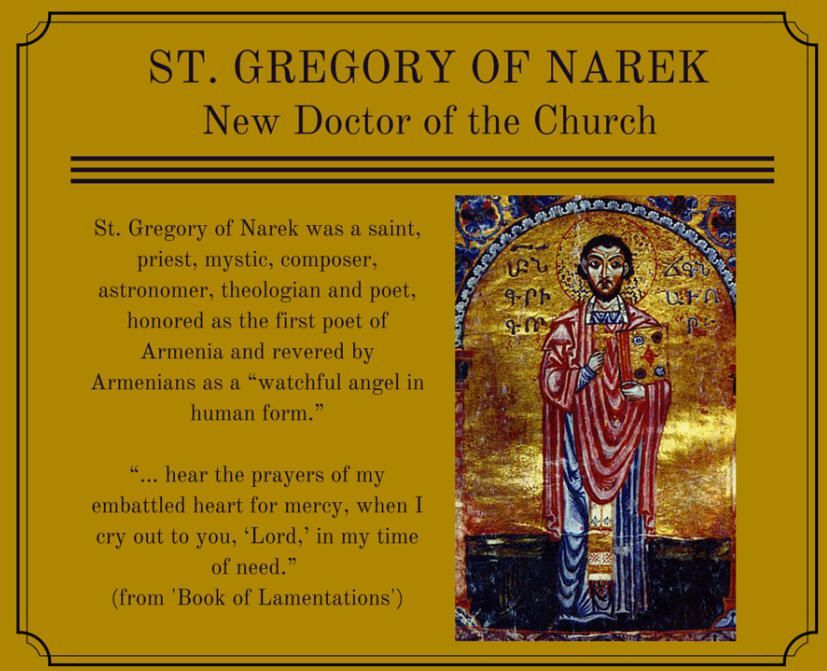
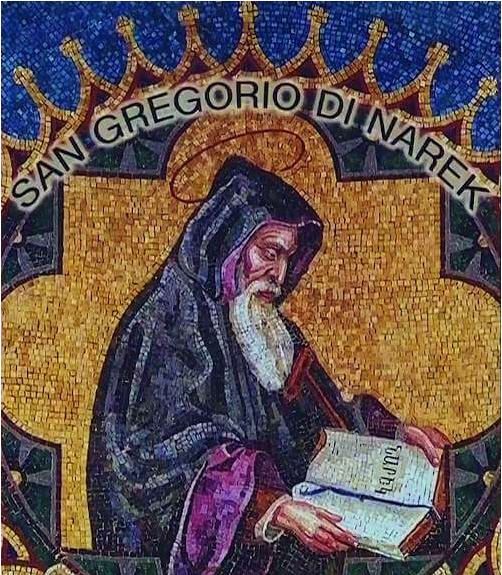
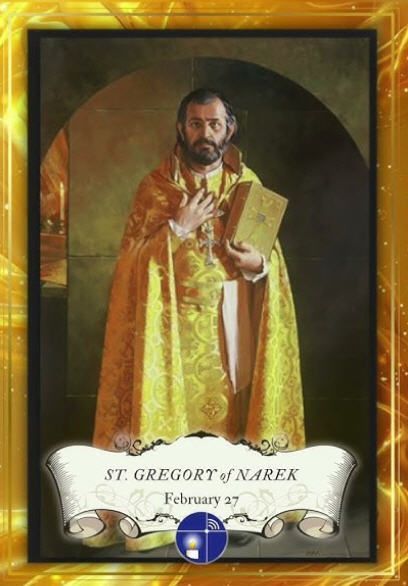
Saint Maria Bertilla Boscardin - February 26
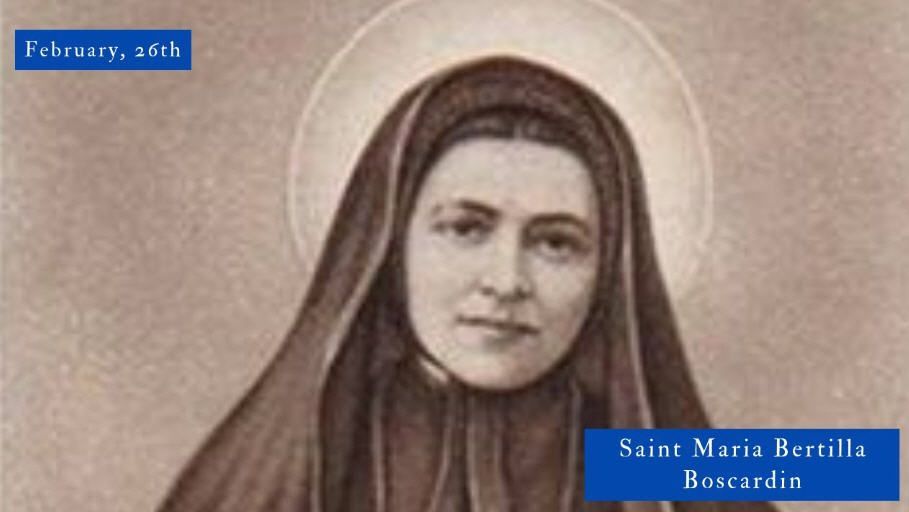
Saint Maria Bertilla Boscardin’s Story
If anyone knew rejection, ridicule and disappointment, it was today’s saint. But such trials only brought Saint Maria Bertilla Boscardin closer to God and more determined to serve him.
Born in Italy in 1888, the young girl lived in fear of her father, a violent man prone to jealousy and drunkenness. Her schooling was limited so that she could spend more time helping at home and working in the fields. She showed few talents and was often the butt of jokes.
In 1904, she joined the Sisters of Saint Dorothy and was assigned to work in the kitchen, bakery and laundry. After some time Maria received nurses’ training and began working in a hospital with children suffering from diphtheria. There the young nun seemed to find her true vocation: nursing very ill and disturbed children. Later, when the hospital was taken over by the military in World War I, Sister Maria Bertilla fearlessly cared for patients amidst the threat of constant air raids and bombings.
Saint Maria Bertilla Boscardin died in 1922 after suffering for many years from a painful tumor. Some of the patients she had nursed many years before were present at her canonization in 1961.
This fairly recent saint knew the hardships of living in an abusive situation. Let us pray to her to help all those who are suffering from any form of spiritual, mental, or physical abuse.
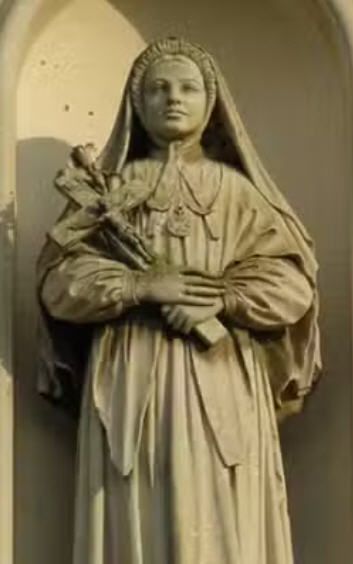
Saint Sebastain of Aparicio - February 25
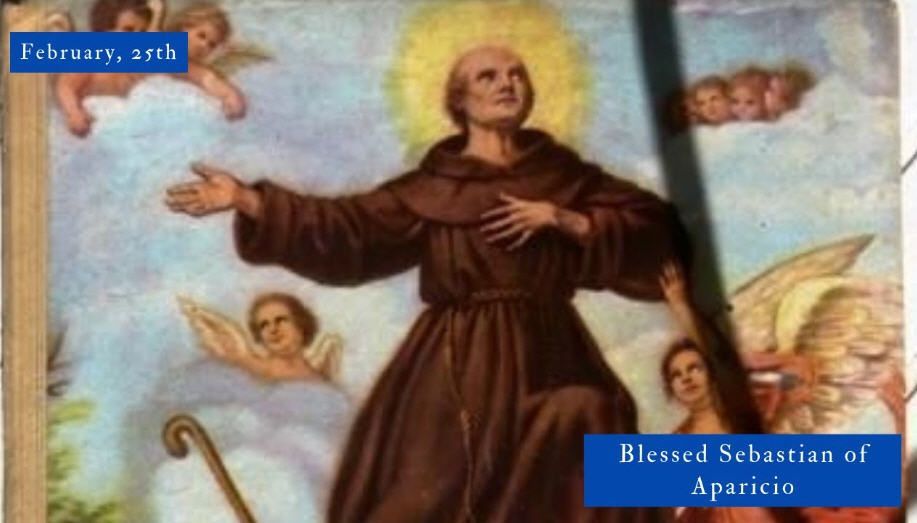
Blessed Sebastian of Aparicio’s
Sebastian’s roads and bridges connected many distant places. His final bridge-building was to help men and women recognize their God-given dignity and destiny.
Sebastian’s parents were Spanish peasants. At the age of 31, he sailed to Mexico, where he began working in the fields. Eventually he built roads to facilitate agricultural trading and other commerce. His 466-mile road from Mexico City to Zacatecas took 10 years to build and required careful negotiations with the indigenous peoples along the way.
In time Blessed Sebastian of Aparicio was a wealthy farmer and rancher. At the age of 60, he entered a virginal marriage. His wife’s motivation may have been a large inheritance; his was to provide a respectable life for a girl without even a modest marriage dowry. When his first wife died, he entered another virginal marriage for the same reason; his second wife also died young.
At the age of 72, Blessed Sebastian of Aparicio distributed his goods among the poor and entered the Franciscans as a brother. Assigned to the large (100-member) friary at Puebla de los Angeles south of Mexico City, Sebastian went out collecting alms for the friars for the next 25 years. His charity to all earned him the nickname “Angel of Mexico.”
According to the Rule of Saint Francis, the friars were to work for their daily bread. Sometimes, however, their work would not provide for their needs; for example, working with people suffering from leprosy brought little or no pay. In cases such as these, the friars were allowed to beg, always keeping in mind the admonition of Francis to let their good example commend them to the people. The life of the prayerful Sebastian drew many closer to God.
Blessed Sebastian of Aparicio is the Patron Saint of: Travelers
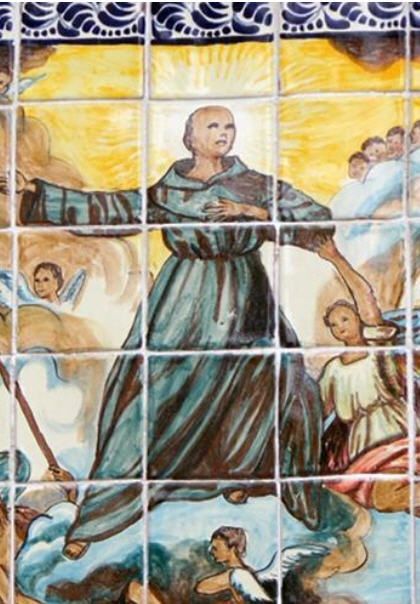
Saint Luke Belludi - February 24
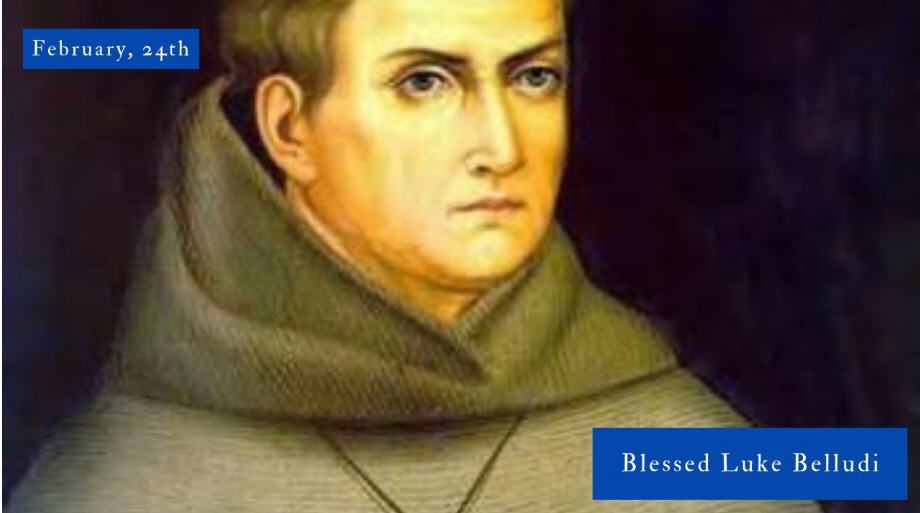
Blessed Luke Belludi’s Story
In 1220, Saint Anthony was preaching conversion to the inhabitants of Padua when a young nobleman, Blessed Luke Belludi, came up to him and humbly asked to receive the habit of the followers of Saint Francis. Anthony liked the talented, well-educated Luke and personally recommended him to Francis, who then received him into the Franciscan Order.
Luke, then only 20, was to be Anthony’s companion in his travels and in his preaching, tending to him in his last days and taking Anthony’s place upon his death. He was appointed guardian of the Friars Minor in the city of Padua. In 1239, the city fell into the hands of its enemies. Nobles were put to death, the mayor and council were banished, the great university of Padua gradually closed and the church dedicated to Saint Anthony was left unfinished. Luke himself was expelled from the city but secretly returned.
At night he and the new guardian would visit the tomb of Saint Anthony in the unfinished shrine to pray for his help. One night a voice came from the tomb assuring them that the city would soon be delivered from its evil tyrant.
After the fulfillment of the prophetic message, Blessed Luke was elected provincial minister and furthered the completion of the great basilica in honor of Anthony, his teacher. He founded many convents of the order and had, as Anthony, the gift of miracles. Upon his death he was laid to rest in the basilica that he had helped finish and has had a continual veneration up to the present time.
Reflection
The epistles refer several times to a man named Luke as Paul’s trusted companion on his missionary journeys. Perhaps every great preacher needs a Luke; Anthony surely did. Blessed Luke Belludi not only accompanied Anthony on his travels, he also cared for the great saint in his final illness and carried on Anthony’s mission after the saint’s death. Yes, every preacher needs a Luke, someone to offer support and reassurance—including those who minister to us. We don’t even have to change our names!

Saint Polycarp - February 23
Quote:
I exhort you all therefore to be obedient to the word of righteousness and to practice all endurance, which also you saw with your own eyes in the blessed Ignatius and Zosimus and Rufus, yes and in others also who came from among yourselves, as well as in Paul himself and the rest of the Apostles; being persuaded that all these ran not in vain but in faith and righteousness, and that they are in their due place in the presence of the Lord, with whom also they suffered.
For they loved not the present world, but Him that died for our sakes and was raised by God for us.
~Letter of Polycarp to the Phillippians
Reflection: Imagine learning about Christ from someone who knew Jesus personally. What a blessing that would be! This is the blessing today’s saint enjoyed. Saint Polycarp came to know Jesus through the preaching of Saint John the Apostle, the beloved disciple of our Lord.
Saint John’s preaching touched many lives, including that of a young man named Polycarp. It is believed that Saint John ordained Polycarp a bishop and sent him to the town of Smyrna, Asia Minor (modern-day Turkey). Polycarp might have been only a teenager when he was ordained, and he shepherded the Church in Smyrna for more than sixty or seventy years. Saint Irenaeus later wrote that Polycarp “would speak of his familiar intercourse with John, and with the rest of those who had seen the Lord; and he would call their words to remembrance.” Irenaeus was Polycarp’s disciple, being about sixty-five years younger. That the faith passed on from Jesus to John, from John to Polycarp, from Polycarp to Irenaus, and from Irenaeus to his disciples down through the ages well illustrates that the faith we have today is “apostolic,” meaning passed down to us from the Apostles. Polycarp is commonly referred to as one of the three Apostolic Fathers of the Church because he learned from one of the Twelve and because some of his writings still exist. The other two are Saint Ignatius of Antioch and Saint Clement of Rome (the third pope).
As a bishop, Polycarp was a fierce and courageous defender of the faith, especially against early heresies. He also worked closely with other bishops in the early Church, including the pope. One of those bishops was the Apostolic Father Saint Ignatius of Antioch. In 107 A.D. Ignatius was arrested and brought in chains through the city of Smyrna. Polycarp met him on the way and kissed his chains. Ignatius later wrote to Polycarp, asking him to care for his people. Polycarp did so in part by writing a letter to the Church in Philippi in which he beautifully exhorted the people in their faith. This is the only letter from Polycarp that has survived.
Once when traveling through Rome, Polycarp sought out Pope Anicetus to gain his counsel about the many concerns of the Church. On most things they agreed, but they disagreed on the appropriate day of the year to celebrate Easter. The pope preferred it always be on the Sunday after Passover, but Polycarp preferred it to be more closely tied to Passover, no matter on which day of the week it fell. Since they could not agree, the pope permitted Polycarp and his Eastern Churches to continue their practice, while the Roman Church continued its practice. They affectionately concluded their time together by celebrating the Holy Mass.
Though Polycarp collaborated with the pope and other bishops, he was quite harsh with heretics. For example, a heretic named Marcion taught that there were two gods, the Old Testament God and the New Testament God. One day Polycarp encountered Marcion in Rome. Marcion was surprised that Polycarp knew about his teaching and asked, “Do you know me, Polycarp?” Polycarp replied, “Yes, I know you to be the firstborn of the devil!”
Polycarp is perhaps best known for his martyrdom, which is the second earliest written detailed account of a martyr’s death, the first being the account of Saint Stephen’s stoning as recounted in the Acts of the Apostles. According to that account, when the Roman authorities sought to arrest Polycarp, he at first hid for a week at the encouragement of some of his followers. Eventually, he was found but before he was arrested, he asked for an hour to pray and prepare himself. He was then brought before the proconsul in an arena filled with spectators.
The proconsul called him an atheist because he rejected the gods of the Roman Empire. He then promised Polycarp would live if he rejected Christianity. The Romans found it more effective to convince Christians to blaspheme Christ than to martyr them. The proconsul threatened him with wild beasts, but Polycarp responded, “Eighty and six years have I served him, and in nothing has he wronged me. How, then, can I blaspheme my King, who saved me?” The proconsul then threatened to burn him to death, but Polycarp said, “You threaten me with fire that burns but for a season, and is soon quenched. For you are ignorant of the fire of the judgment to come, and of the eternal punishment reserved for the wicked.” The proconsul then condemned him to death and people gathered wood for the fire, but when they approached him to fasten him with nails to the wood, Polycarp said, “Leave me as I am, for He Who gives me strength to endure the fire will also allow me, without the security of your nails, to remain on the pyre without moving.” The fire was then lit, and Polycarp remained there by his own will. But to the surprise of all, his flesh did not burn. Instead, there came forth a sweet aroma as the fire surrounded him and protected him.
Angered at this spectacular event, one of the soldiers thrust a spear into him, killing him. When he did this, a dove emerged from his chest, and so much blood gushed forth that the flames were extinguished. On seeing Polycarp’s dead body, some of the angry mob feared that his followers would take his sacred body and worship it, so they ignited the fire once again and burned his dead body.
Martyrdom like this takes incredible courage to endure. It requires that one prefer a wholehearted profession of faith in Christ over one’s earthly life. Though you might not be called to such a physical martyrdom, you are called to have Polycarp’s faith and courage. That courage will make you a martyr in spirit, and that faith will lift you to the heights of Heaven. Ponder your own depth of faith and courage today, and allow Polycarp’s witness to strengthen your resolve to become more like him.
Prayer: Saint Polycarp, you were blessed to be among the first followers of the Apostles and worked fervently for many decades to spread and defend the pure faith. In the end, you gave witness to Christ with a martyr’s death. Please pray for me, that I may learn from your witness and follow your holy example. Saint Polycarp, pray for me. Jesus, I trust in You.
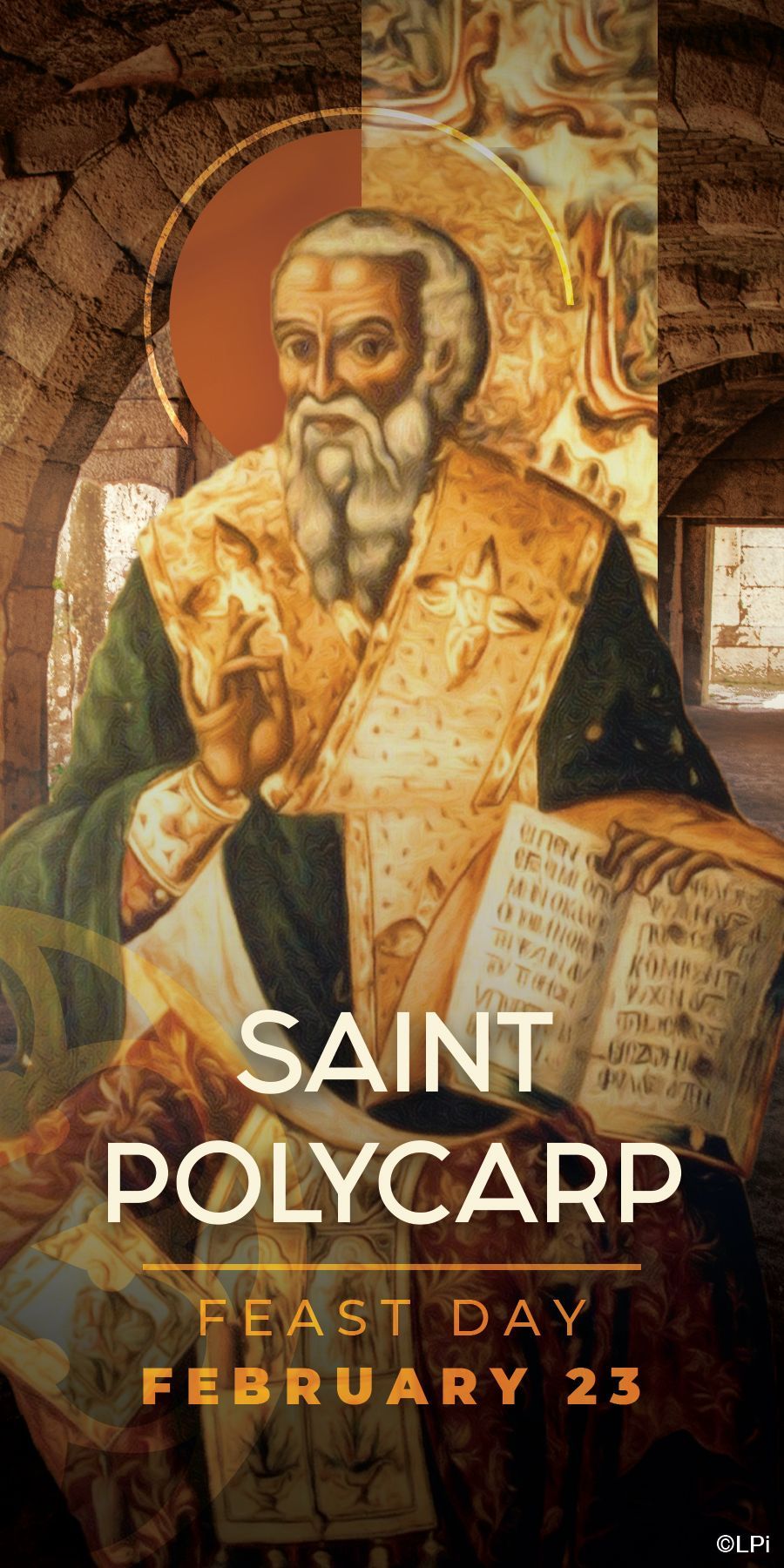
Feast Of The Chair Of Saint Peter - February 22
Quote:
Blessed are you, Simon son of Jonah. For flesh and blood has not revealed this to you, but my heavenly Father. And so I say to you, you are Peter, and upon this rock I will build my church, and the gates of the netherworld shall not prevail against it. I will give you the keys to the kingdom of heaven. Whatever you bind on earth shall be bound in heaven; and whatever you loose on earth shall be loosed in heaven.
Reflection: In Saint Peter’s Basilica in Rome, visitors are immediately struck by the large alabaster window on the back wall of the apse that depicts the Holy Spirit in the form of a dove. Below the window is an ancient wooden chair, believed to have been used by Saint Peter. In the seventeenth century, that ancient chair was encased in bronze by the famous artist Bernini and then placed above the altar in the apse. Surrounding the chair are statues of four early Doctors of the Church. Two of them represent the Eastern Church: Saint John Chrysostom and St. Athanasius. Two of them represent the Western Church: Saint Ambrose and Saint Augustine. These great saints represent the universality of the Church, both East and West, as well as the unity of their theological teaching with the authority of the Bishop of Rome. Above the chair are two angels jointly holding the triple crown tiara used by the Bishop of Rome, symbolizing that he is the father of kings, governor of the world, and Vicar of Christ. In their other hands, each angel holds a key, symbolizing the authority of the Bishop of Rome in matters of faith and morals.
Today’s feast celebrates not only that chair as a precious relic from the time of Saint Peter, it also celebrates all that this chair represents. This feast was formally celebrated in Rome as early as the fourth century, but honor for the supremacy of Saint Peter and his successors was celebrated from the moment Jesus entrusted Peter with his unique mission.
In the Gospel of Matthew 16:13–20, we have the discourse between Jesus and His disciples, which is the basis of today’s feast and our belief in the unique and universal authority of Saint Peter and his successors. Jesus asked the disciples, “[W]ho do you say that I am?” Simon responded, “You are the Messiah, the Son of the living God.” With that profession of faith, Jesus changed Simon’s name to Peter, saying to him, “And I tell you, you are Peter (Petros), and on this rock (petra) I will build my church.” “Peter” in Greek is Petros. The Greek word petra means a solid rock formation that is fixed, immovable, and enduring. Therefore, Jesus chose to make Peter a solid, fixed, and immovable foundation of rock on which the Church would be built and endure until the end of time. Jesus went on to tell Peter that He would give him the keys to the Kingdom of Heaven and that whatever he bound and loosed on earth would be bound and loosed in Heaven.
It’s interesting to note that immediately after this discourse between Jesus and Peter, Jesus rebukes Peter for giving into fear after Jesus spoke about His impending death. While in the Garden of Gethsemane, on the eve of Jesus’ saving Passion, Peter chooses to sleep rather than stay awake and pray with Jesus. Then, after Jesus is arrested, Peter denies three times that he even knows Jesus. God chose a man of weakness and fear to become the rock foundation for the Church. This shows that God’s power is not limited by the instruments to whom He entrusts His power.
After Jesus’ ascension into Heaven, Peter and the others are filled with the Holy Spirit at Pentecost. After this gift, Peter is more prepared for his mission. He is the first one to go forth courageously to preach the Word of God to the people in Jerusalem. He resolved conflicts within the Church when they arose. He became the first bishop of the newly evangelized city of Antioch and then chose to go to Rome, becoming the first bishop of Rome, where he would die a martyr. However, the death of Saint Peter was not the death of his authority and singular mission. Saint Linus followed him as the second bishop of Rome, and then Saint Cletus, Saint Clement, and so forth until today.
Of the pope’s authority, Vatican Councils I and II affirmed that when the pope speaks Ex Cathedra, meaning, “From the Chair,” he speaks with the authority of Saint Peter who was entrusted with full, supreme, and universal authority to teach and govern. His teaching extends to all matters of faith and morals, and his governance encompasses the entire world. (Lumen Gentium, #22).
As we ponder the authority and infallibility of the one who sits in the Chair of Saint Peter, try to see this sacred power, given to one weak and sinful man after another, as an act of the love of Christ for His Church. It is the power of Christ and His divine love that makes it possible for these men to shepherd the Church, providing stability, longevity, certitude, and hope. When popes are also saints, we are doubly blessed. When they are not, our Lord still works through them, providing the Church with the ongoing rock foundation it needs to endure all things until the end of time. Pray for the pope today. Pledge your obedience to him when he speaks Ex Cathedra, and know that your unity with him ensures your unity with Christ, Who governs through him.
Prayer: Saint Peter, you were a weak and sinful man, but God entrusted you with great responsibility, despite your unworthiness. Please pray for me, that despite my unworthiness, I may be open to all that God entrusts to me and that I may use those gifts for His glory and the salvation of souls. Saint Peter and all your successors in Heaven, pray for me. Jesus, I trust in You.
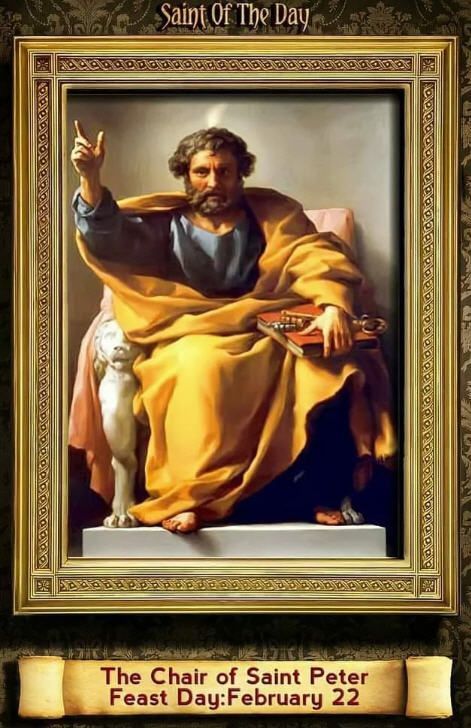
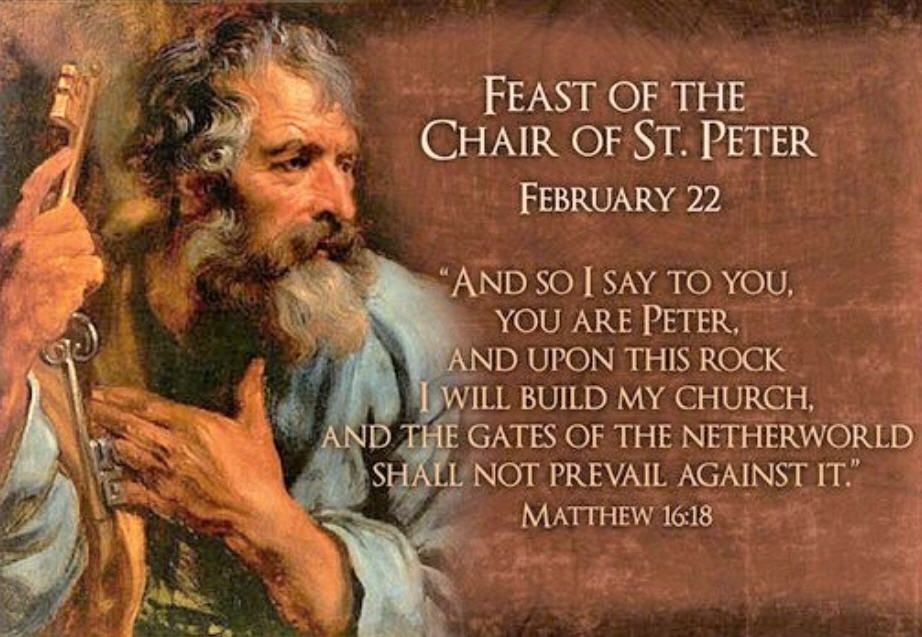
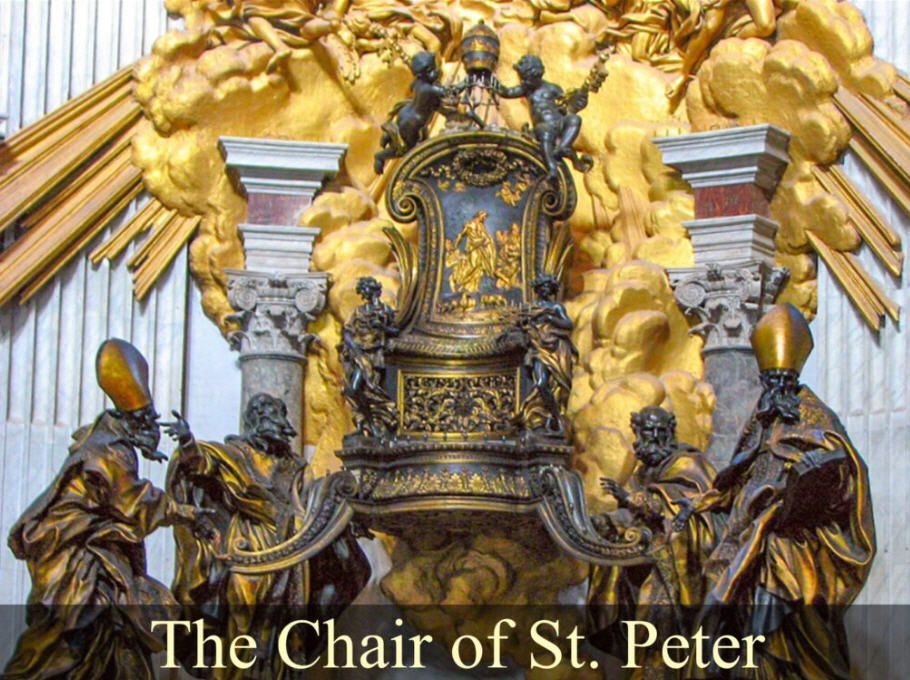
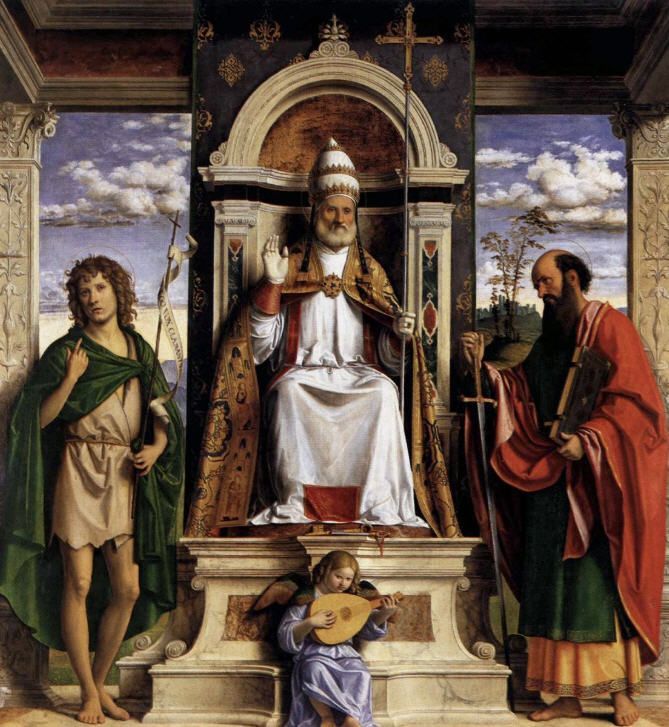
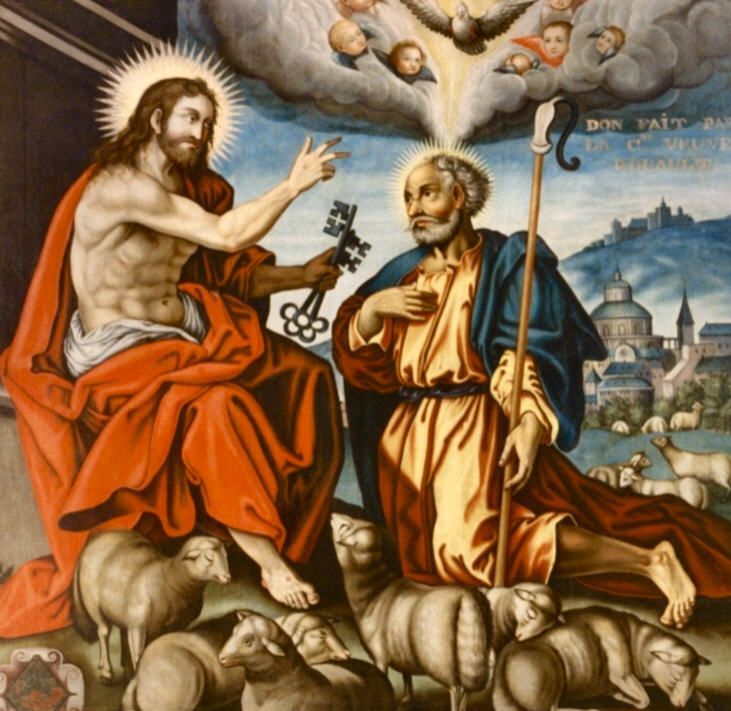
Saint Peter Damian - February 21
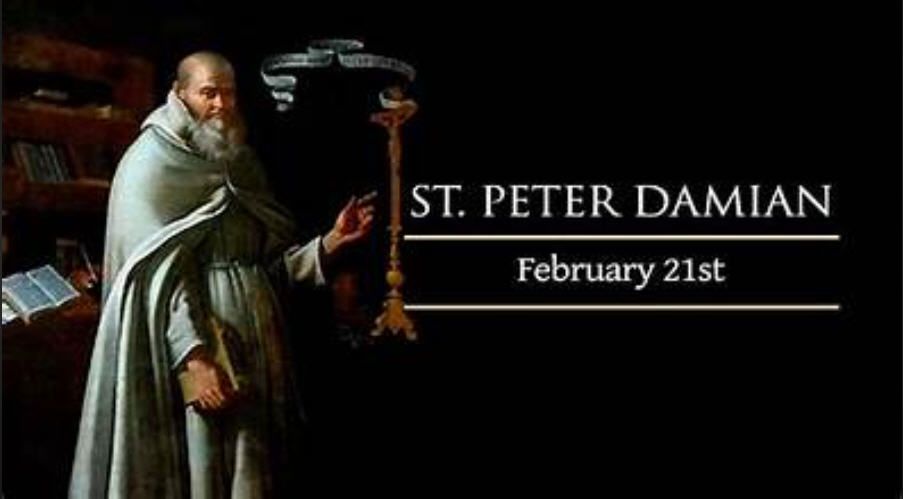
Quote:
May your mind…fear the imminent day of Judgment, that you may not have to fear when it is upon you, that, as you prudently examine yourself in your own judgment, you may appear before the tribunal of the eternal Judge, not to be judged anew, but as one already judged and purified in the process; and that because through confession you have stood in the presence of the Judge, you may not be compelled to undergo the severe examination of the Judgment, but with the judges and senators of the land, as a judge yourself you may joyfully be conducted into glory. Amen.
Reflection: Orphan, laborer, student, monk, hermit, priest, theologian, teacher, writer, poet, ascetic, penitent, prior, reformer, bishop, cardinal, saint…these are but a few words to describe today’s courageous saint.
Peter was the youngest child born into a poor but noble family in Ravenna, Italy. His parents died when he was young, so he went to live with one of his older brothers who mistreated him and forced him to labor as a swineherd. Eventually, another brother, a priest from Ravenna named Father Damian, took him in and provided him with an excellent education in which he greatly excelled. Peter was so grateful to his priest brother that he added his brother’s name to his own, making him Peter Damian.
Upon the completion of his education, Peter Damian began to teach with much success. However, he soon found that the university setting was not for him, so he withdrew to a monastery in Fonte-Avellana for a forty-day retreat. Upon completing his retreat, he discerned a call to monastic life and received the habit.
As a monk, Peter Damian lived a secluded life of prayer and extreme penance. His penances were so severe that they affected his health more than once. Eventually, his intellectual gifts were used once again when he was asked to teach his fellow monks. For the next few years, he taught in his own and neighboring monasteries and also began to write. One of his first works was the Vita, or “Life” of Saint Romuald, a recently deceased monk from his monastery known for his exceptional holiness.
In 1043, at the age of thirty-five, Brother Peter Damian was named the prior of his monastery. He led the brothers with zeal and fidelity to their rule. He also began founding new hermitages in the surrounding villages.
At that time, Pope Benedict IX was a truly scandalous pope who had obtained the papacy through bribery and lived an immoral life. In 1045, the pope decided to leave the papacy to marry his cousin. Before doing so, he wrote to his godfather, Father John Gratian, for advice. Being a holy man, Father Gratian encouraged him to resign, which Benedict did, leaving the papacy to Father Gratian, who became Pope Gregory VI. Brother Peter Damian was overjoyed at the change and wrote to the new pope, encouraging him to tackle corruption and scandal within the Church. In the years that followed, more than one pope called on Brother Peter Damian to help accomplish that very goal. He wrote many letters in an attempt to bring about reforms of the clergy, fought against simony (the selling of Church offices and spiritual favors), addressed sexual abuses, challenged the bishops, reformed monasteries, and gave a spectacular personal witness of holiness.
In 1057, Brother Damian was made the Cardinal-Bishop of Ostia by the pope, despite his attempts to turn down the position. As a new cardinal, he quickly challenged his brother cardinals and tried to weed out corruption. He would eventually return to his hermitage and resume his life of prayer, but his fervor in fighting against the evils of the time continued. Pope after pope called on him for help, even while other Church leaders opposed him.
In 1072, at the age of sixty-five after battling one corruption after another, Cardinal Peter Damian fell ill. After a week of illness in a monastery near his hometown, the cardinal died while the monks chanted around his bed.
Every age of the Church has different needs. In the eleventh century, the Church needed an unwavering and courageous voice for reform. Saint Peter Damian was that voice. Though his heart was most at home in his monastery doing penance and chanting the psalms, his body was actively eradicating the mold that had covered the Church. Through his valiant efforts, many parts of the Church began to radiate as the Bride of Christ once again.
Each of us is called to be a reformer in one way or another. First, we must seek to reform our own souls by eliminating sin through prayer, penance, and fidelity to God’s Law. From there, God will use us to extend His reform to others. Ponder any ways that you need to reform your own life, and then offer yourself to God’s service so that He can use you to weed out the evils you encounter in your daily life.
Prayer: Saint Peter Damian, you were drawn to a life of solitude, prayer, and penance. From that hidden life as a monk, God sent you forth to reform His wounded Church. You answered the call with courage and zeal. Please pray for me, that I will never shy away from reforming my own life and that I will always answer the call to be an instrument of that reformation wherever I am sent. Saint Peter Damian, pray for me. Jesus, I trust in You.
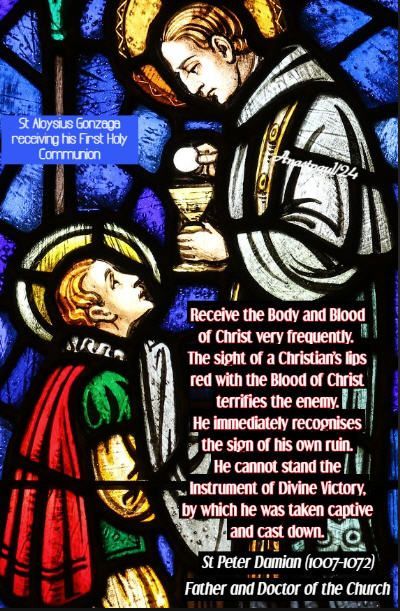
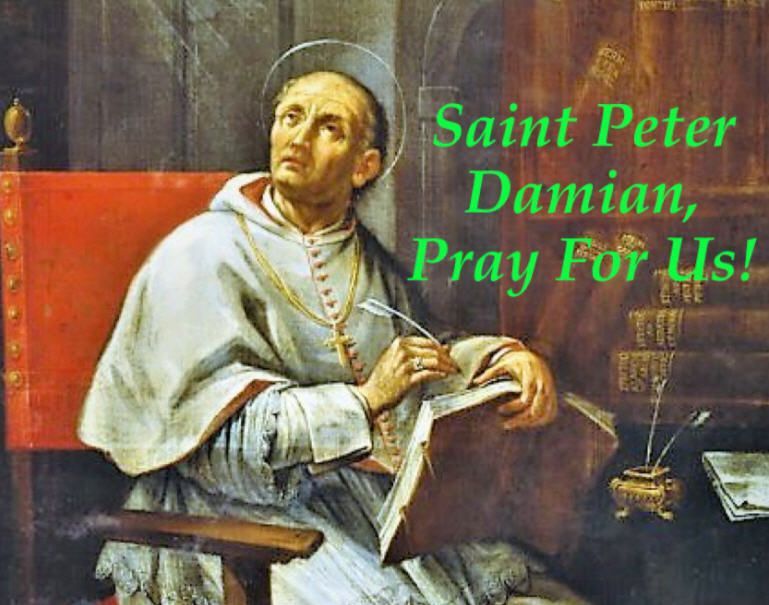
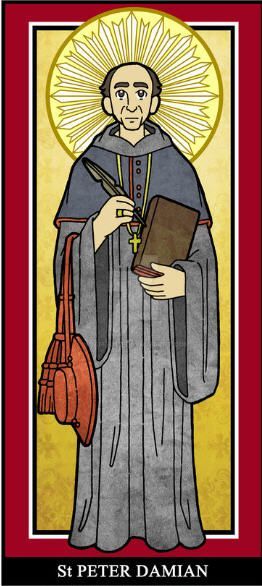
Saint Leo of Catalina - February 20
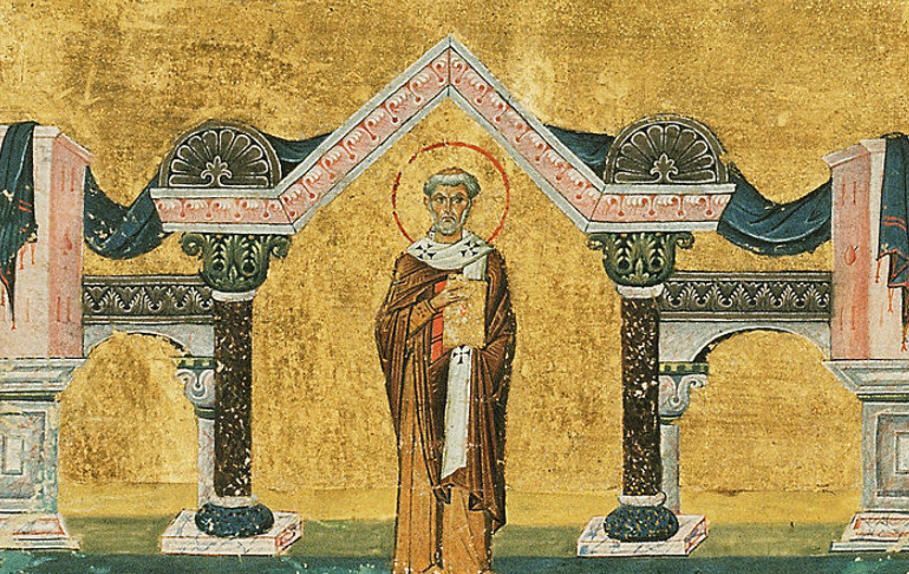
Reflection:
Learned priest in Ravenna, Italy, and then in Reggio Calabria, Italy. Bishop of Catania, Italy; legend says that an angel appeared in dreams to the people in Catania to point them to Leo. He fought to suppress blasphemous magicians that people in his diocese saw as an alternative to the Church. Leo opposed the iconoclasm ordered by the Byzantine Empire; the governor of Sicily ordered his arrest for this stance, and the bishop spent time in the mountains in exile, living as a cave hermit. Known always for his care for the poor.
Saint Leo of Catania, also known as Leo the Thaumaturge or Leo the Wonderworker, was a revered Catholic saint and bishop in Italy during the 8th and 9th centuries. Born in Ravenna, Italy in the year 720, he embarked on a spiritual journey that would leave an indelible mark on the lives of many. Leo started his career as a learned priest in Ravenna and later in Reggio Calabria, where he gained a reputation for his deep knowledge of theology and his unwavering commitment to the teachings of the Catholic Church. His profound understanding of the faith led to his appointment as the Bishop of Catania, Italy. Legend has it that an angel appeared in the dreams of the faithful people of Catania, guiding them towards Leo. Recognizing his holiness and wisdom, they rallied behind him as their shepherd and leader. As bishop, Leo faced a formidable challenge in combating the rise of blasphemous magicians who were gaining influence among the people of his diocese. These magicians offered an alternative to the teachings of the Church and threatened to draw followers away from the one true faith. Undeterred, Leo fearlessly confronted these blasphemers, vigorously opposing their practices and teachings. He dedicated himself to protecting his flock from the detrimental effects of these false beliefs. Leo's resolute stance against the magicians resulted in their eventual suppression, as he tirelessly preached the Gospel and guided the people towards the path of righteousness. In addition to his fight against the blasphemous magicians, Leo also stood against the Byzantine Empire's policy of iconoclasm. This policy aimed to destroy religious icons and oppose their veneration. Leo, recognizing the importance of religious imagery in the faithful's spiritual journey, vehemently opposed this stance. However, his defiance caught the attention of the governor of Sicily, who ordered his arrest. Leo endured a period of exile in the mountains, where he lived as a cave hermit. Despite the hardships he faced during this time, he remained steadfast in his commitment to God and continued to inspire others through his unwavering devotion. Throughout his life, Saint Leo of Catania consistently demonstrated a deep concern for the poor. His love and compassion for those in need became a hallmark of his saintly character. Saint Leo of Catania passed away on 20 February 789 near Mount Etna, Italy, succumbing to natural causes. His remarkable legacy and influence on the lives of the people were soon recognized, and he was canonized as a saint by the Catholic Church. Although his representation in art is unknown, his feast day is celebrated annually on 20 February. Saint Leo of Catania is revered as the patron saint of Longi, Sicily, Italy; Rometta, Sicily, Italy; Saracena, Sicily, Italy; and Sinagra, Sicily, Italy. His life serves as an enduring inspiration for all believers, encouraging them to stand firm in their faith, fight against falsehoods, and show compassion towards the less fortunate in society.